
What's inside
What's inside
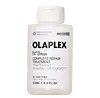 Key Ingredients
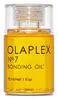
Benefits
Concerns
Ingredients Side-by-side
Water
Skin ConditioningCetearyl Alcohol
Emollient






Behentrimonium Methosulfate
SurfactantBis-Aminopropyl Diglycol Dimaleate
Skin ConditioningHydroxypropyl Starch Phosphate
Propanediol
Solvent

Distearyldimonium Chloride
Behentrimonium Chloride
Preservative
Glycerin
Humectant
Cetyl Alcohol
Emollient
Stearyl Alcohol
Emollient
Caesalpinia Spinosa Fruit Pod Extract
Butyrospermum Parkii Butter
Skin Conditioning
Helianthus Annuus Extract
Emollient
Persea Gratissima Oil
Skin Conditioning
Cocos Nucifera Oil
Masking
Rosmarinus Officinalis Leaf Extract
AntimicrobialHelianthus Annuus Sprout Extract
Skin ConditioningPanthenol
Skin Conditioning

Quaternium-91
Oryza Sativa Bran Extract
Skin Conditioning
Tribehenin
Emollient
Caprylic/Capric Triglyceride
Masking
Ethylhexylglycerin
Skin ConditioningHydroxypropyl Guar Hydroxypropyltrimonium Chloride
Tocopherol
Antioxidant




Olus Oil
Emollient
Caprylyl Caprylate
EmollientCetrimonium Chloride
Antimicrobial
Sodium PCA
Humectant
Polyhydroxystearic Acid
Emulsifying
Polyester-37
Skin ConditioningEthyl Linoleate
Emollient
Ethyl Oleate
Emollient
Cetrimonium Methosulfate
AntimicrobialIsopropyl Alcohol
Solvent


Propylene Glycol
Humectant
C13-15 Alkane
SolventGuar Hydroxypropyltrimonium Chloride
Skin ConditioningPentaerythrityl Tetra-Di-T-Butyl Hydroxyhydrocinnamate
Antioxidant
Acrylamidopropyltrimonium Chloride/Acrylamide Copolymer
Phenethyl Benzoate
Emollient
Trisodium Ethylenediamine Disuccinate
ChelatingSodium Metabisulfite
Antioxidant
Citric Acid
Buffering
Phenoxyethanol
Preservative
Sodium Benzoate
Masking
Parfum
Masking
Linalyl Acetate
Masking
Linalool
Perfuming
Hydroxycitronellal
Perfuming
Alpha-Isomethyl Ionone
Perfuming
Citronellol
Perfuming
CI 19140
Cosmetic ColorantCI 15985
Cosmetic ColorantWater, Cetearyl Alcohol, Behentrimonium Methosulfate, Bis-Aminopropyl Diglycol Dimaleate, Hydroxypropyl Starch Phosphate, Propanediol, Distearyldimonium Chloride, Behentrimonium Chloride, Glycerin, Cetyl Alcohol, Stearyl Alcohol, Caesalpinia Spinosa Fruit Pod Extract, Butyrospermum Parkii Butter, Helianthus Annuus Extract, Persea Gratissima Oil, Cocos Nucifera Oil, Rosmarinus Officinalis Leaf Extract, Helianthus Annuus Sprout Extract, Panthenol, Quaternium-91, Oryza Sativa Bran Extract, Tribehenin, Caprylic/Capric Triglyceride, Ethylhexylglycerin, Hydroxypropyl Guar Hydroxypropyltrimonium Chloride, Tocopherol, Olus Oil, Caprylyl Caprylate, Cetrimonium Chloride, Sodium PCA, Polyhydroxystearic Acid, Polyester-37, Ethyl Linoleate, Ethyl Oleate, Cetrimonium Methosulfate, Isopropyl Alcohol, Propylene Glycol, C13-15 Alkane, Guar Hydroxypropyltrimonium Chloride, Pentaerythrityl Tetra-Di-T-Butyl Hydroxyhydrocinnamate, Acrylamidopropyltrimonium Chloride/Acrylamide Copolymer, Phenethyl Benzoate, Trisodium Ethylenediamine Disuccinate, Sodium Metabisulfite, Citric Acid, Phenoxyethanol, Sodium Benzoate, Parfum, Linalyl Acetate, Linalool, Hydroxycitronellal, Alpha-Isomethyl Ionone, Citronellol, CI 19140, CI 15985
Dimethicone
Emollient
Isohexadecane
EmollientC13-14 Isoparaffin
Emollient
Coco-Caprylate
Emollient
Phenyl Trimethicone
Skin Conditioning
Bis-Aminopropyl Diglycol Dimaleate
Skin ConditioningPropanediol
Solvent
Zea Mays Oil
Emulsifying
Beta-Carotene
Skin ConditioningHelianthus Annuus Seed Oil
Emollient
Punica Granatum Seed Oil
Emollient
Water
Skin ConditioningMorinda Citrifolia Leaf Powder
Skin ConditioningParfum
Masking
Hexyl Cinnamal
Perfuming
Limonene
Perfuming
Tocopherol
Antioxidant
Citral
Perfuming
Linalool
Perfuming
Citronellol
Perfuming
Pseudozyma Epicola/Camellia Sinensis Seed Oil Ferment Extract Filtrate
Humectant
Dimethicone, Isohexadecane, C13-14 Isoparaffin, Coco-Caprylate, Phenyl Trimethicone, Bis-Aminopropyl Diglycol Dimaleate, Propanediol, Zea Mays Oil, Beta-Carotene, Helianthus Annuus Seed Oil, Punica Granatum Seed Oil, Water, Morinda Citrifolia Leaf Powder, Parfum, Hexyl Cinnamal, Limonene, Tocopherol, Citral, Linalool, Citronellol, Pseudozyma Epicola/Camellia Sinensis Seed Oil Ferment Extract Filtrate
Reviews
Ingredients Explained
These ingredients are found in both products.
Ingredients higher up in an ingredient list are typically present in a larger amount.
We don't have a description for Bis-Aminopropyl Diglycol Dimaleate yet.
Citronellol is used to add fragrance/parfum to a product. It is often derived from plants such as roses. In fact, it can be found in many essential oils including geranium, lavender, neroli, and more. The scent of Citronellol is often described as "fresh, grassy, and citrus-like".
Since the Citronellol molecule is already unstable, Citronellol becomes irritating on the skin when exposed to air.
Citronellol is a modified terpene. Terpenes are unsaturated hydrocarbons found in plants. They make up the primary part of essential oils.
Citronellol is not able to be absorbed into deeper layers of the skin. It has low permeability,
Citronellol is also a natural insect repellent.
Learn more about CitronellolLinalool is a small, naturally occurring scent molecule found in plants like lavender, coriander, bergamot, and more.
It is one of the two most-used fragrance ingredients in cosmetics and added purely for smell. Since it's not used for a skin benefit, there's no "effective dose". Concentration depends on the fragrance load of the product.
The EU requires it to be named on the label above 0.001% in leave-on and 0.01% in rinse-off products.
Fresh linalool is a weak sensitizer but air exposure turns some of it into hydroperoxides, which are strong sensitizers. Those oxidation products are the actual allergy concern.
Patch-test clinics see positive reactions to linalool hydroperoxides in about 4% to 12% of dermatitis patients depending on country and test concentration.
Resassuringly, one analytical study found hydroperoxide levels in real fragranced products to be orders of magnitude below what induced sensitization in animal studies with no evidence of oxidation building up during normal storage.
The practical takeaway is that linalool is fine for most people but worth avoiding if you have a confirmed fragrance contact allergy or a badly compromised barrier.
Products stored a long time after opening are also the high-risk scenario since that is when oxidation happens.
The scent of linalool is described as floral, spicy tropical, and citrus-like.
Learn more about LinaloolParfum is a catch-all term for an ingredient or more that is used to give a scent to products.
Also called "fragrance", this ingredient can be a blend of hundreds of chemicals or plant oils. This means every product with "fragrance" or "parfum" in the ingredients list is a different mixture.
For instance, Habanolide is a proprietary trade name for a specific aroma chemical. When used as a fragrance ingredient in cosmetics, most aroma chemicals fall under the broad labeling category of “FRAGRANCE” or “PARFUM” according to EU and US regulations.
The term 'parfum' or 'fragrance' is not regulated in many countries. In many cases, it is up to the brand to define this term.
For instance, many brands choose to label themselves as "fragrance-free" because they are not using synthetic fragrances. However, their products may still contain ingredients such as essential oils that are considered a fragrance by INCI standards.
One example is Calendula flower extract. Calendula is an essential oil that still imparts a scent or 'fragrance'.
Depending on the blend, the ingredients in the mixture can cause allergies and sensitivities on the skin. Some ingredients that are known EU allergens include linalool and citronellol.
Parfum can also be used to mask or cover an unpleasant scent.
The bottom line is: not all fragrances/parfum/ingredients are created equally. If you are worried about fragrances, we recommend taking a closer look at an ingredient. And of course, we always recommend speaking with a professional.
Learn more about ParfumPropanediol is an all-star ingredient. It softens, hydrates, and smooths the skin.
It’s often used to:
Propanediol is not likely to cause sensitivity and considered safe to use. It is derived from corn or petroleum with a clear color and no scent.
Learn more about PropanediolTocopherol is a fat-soluble antioxidant known as Vitamin E.
You'll find this ingredient in the vast majority of skincare (for good reason). It works to neutralize free radicals, or unstable molecules generated by UV exposure, pollution, and other environmental stressors, before they can cause oxidative damage to your skin cells.
Topically applied tocopherol has been shown to protect against UV damage by ramping up the skin's own natural defense enzymes.
It also acts as a skin conditioning agent; some studies show that regular topical use can improve the skin's water-binding capacity over 2-4 weeks.
This ingredient is especially loved for being a team player. When combined with Vitamin C, the photoprotective effect of both ingredients roughly doubles and the combo also helps reduce UV-induced DNA damage.
This ingredient has some brightening potential but it's more of a prevention ingredient than spot-fader. Cell studies show it can slow down melanin production but it's worth noting that it's not the most powerful brightener out there.
In formulations, it also serves as a stabilizer that helps protect other oxidation-prone ingredients from degrading.
Concentrations usually range from 0.1-1% in most leave-on products.
Learn more about TocopherolWater. It's the most common cosmetic ingredient of all. You'll usually see it at the top of ingredient lists, meaning that it makes up the largest part of the product.
So why is it so popular? Water most often acts as a solvent - this means that it helps dissolve other ingredients into the formulation.
You'll also recognize water as that liquid we all need to stay alive. If you see this, drink a glass of water. Remember to stay hydrated!
Learn more about Water

