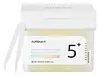
This brightening toner pad uses a pre-saturated pad with Niacinamide and Tranexamic Acid to brighten dull-looking skin and fade the look of dark spots.
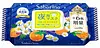
This calming sheet mask is formulated around Ascorbyl Glucoside and Chamomilla Recutita Flower Extract to calm redness.


What's inside
What's inside
 Key Ingredients
Benefits
Concerns
Ingredients Side-by-side
Water
Skin ConditioningNiacinamide
Smoothing











Dipropylene Glycol
HumectantGlycerin
Humectant
Propanediol
Solvent
Butylene Glycol
Humectant
Hydroxyethyl Urea
Humectant
Diethoxyethyl Succinate
SolventHydroxyacetophenone
Antioxidant
Caprylyl Glycol
Emollient
Polyglyceryl-10 Laurate
Skin Conditioning

Betaine
Humectant
Panthenol
Skin Conditioning
Ethylhexylglycerin
Skin ConditioningGluconolactone
Chelating
Sodium Polyacrylate
Absorbent
Ammonium Acryloyldimethyltaurate/Vp Copolymer
Sodium Citrate
BufferingCitric Acid
Buffering
Maltodextrin
Absorbent
1,2-Hexanediol
Skin Conditioning
Gardenia Florida Fruit Extract
Skin ConditioningDipotassium Glycyrrhizate
Humectant
Sodium Hyaluronate
Humectant
Ascorbic Acid
Antioxidant
Pantolactone
Humectant
Tocopherol
Antioxidant
Capryloyl Salicylic Acid
Exfoliating
Tranexamic Acid
Astringent
Tremella Fuciformis Extract
Humectant
Caprylic/Capric Triglyceride
Masking
Ascorbyl Glucoside
Antioxidant
Ubiquinone
Antioxidant
Hydrogenated Lecithin
Emulsifying
Magnesium Chloride
Alcohol
Antimicrobial



Glutathione
Polysorbate 80
Emulsifying
Calcium Gluconate
HumectantPyridoxine Hcl
Skin ConditioningBHT
Antioxidant
Yeast Extract
Skin ConditioningCyanocobalamin
Skin ConditioningDisodium EDTA
ChelatingWater, Niacinamide, Dipropylene Glycol, Glycerin, Propanediol, Butylene Glycol, Hydroxyethyl Urea, Diethoxyethyl Succinate, Hydroxyacetophenone, Caprylyl Glycol, Polyglyceryl-10 Laurate, Betaine, Panthenol, Ethylhexylglycerin, Gluconolactone, Sodium Polyacrylate, Ammonium Acryloyldimethyltaurate/Vp Copolymer, Sodium Citrate, Citric Acid, Maltodextrin, 1,2-Hexanediol, Gardenia Florida Fruit Extract, Dipotassium Glycyrrhizate, Sodium Hyaluronate, Ascorbic Acid, Pantolactone, Tocopherol, Capryloyl Salicylic Acid, Tranexamic Acid, Tremella Fuciformis Extract, Caprylic/Capric Triglyceride, Ascorbyl Glucoside, Ubiquinone, Hydrogenated Lecithin, Magnesium Chloride, Alcohol, Glutathione, Polysorbate 80, Calcium Gluconate, Pyridoxine Hcl, BHT, Yeast Extract, Cyanocobalamin, Disodium EDTA
Water
Skin ConditioningGlycerin
Humectant
Propanediol
Solvent
Diglycerin
Humectant
PPG-14 Polyglyceryl-2 Ether
EmulsifyingAscorbyl Glucoside
Antioxidant
Rosa Roxburghii Fruit Extract
TonicCitrus Aurantium Dulcis Peel Oil
Masking

Chamomilla Recutita Flower Extract
Masking
Dipotassium Glycyrrhizate
Humectant
Sphingomonas Ferment Extract
Skin Conditioning
Sesbania Sesban Leaf Extract
Honey
Humectant
Sodium Hyaluronate
Humectant
Betaine
Humectant
Simmondsia Chinensis Seed Oil
Emollient
Polyquaternium-61
Skin ConditioningOenothera Biennis Seed Extract
Skin ConditioningLavandula Angustifolia Flower Extract
Cleansing
Thymus Serpyllum Extract
Skin ConditioningSoluble Collagen
Humectant
Peat Extract
Skin ConditioningPolyglyceryl-10 Eicosanedioate/Tetradecanedioate
Skin ConditioningButylene Glycol
Humectant
PEG-60 Castor Oil
Emulsifying
Alcohol
Antimicrobial
Xanthan Gum
EmulsifyingCitric Acid
Buffering
Sodium Citrate
BufferingCyclohexane
SolventBis-Ethoxydiglycol Cyclohexane 1,4-Dicarboxylate
EmollientMenthol
Masking
Malic Acid
Buffering
Tocopherol
Antioxidant
Phenoxyethanol
Preservative
Ethylparaben
Preservative

Methylparaben
Preservative
Parfum
Masking

Water, Glycerin, Propanediol, Diglycerin, PPG-14 Polyglyceryl-2 Ether, Ascorbyl Glucoside, Rosa Roxburghii Fruit Extract, Citrus Aurantium Dulcis Peel Oil, Chamomilla Recutita Flower Extract, Dipotassium Glycyrrhizate, Sphingomonas Ferment Extract, Sesbania Sesban Leaf Extract, Honey, Sodium Hyaluronate, Betaine, Simmondsia Chinensis Seed Oil, Polyquaternium-61, Oenothera Biennis Seed Extract, Lavandula Angustifolia Flower Extract, Thymus Serpyllum Extract, Soluble Collagen, Peat Extract, Polyglyceryl-10 Eicosanedioate/Tetradecanedioate, Butylene Glycol, PEG-60 Castor Oil, Alcohol, Xanthan Gum, Citric Acid, Sodium Citrate, Cyclohexane, Bis-Ethoxydiglycol Cyclohexane 1,4-Dicarboxylate, Menthol, Malic Acid, Tocopherol, Phenoxyethanol, Ethylparaben, Methylparaben, Parfum
Reviews
Ingredients Explained
These ingredients are found in both products.
Ingredients higher up in an ingredient list are typically present in a larger amount.
This ingredient is also called ethanol or ethyl alcohol. It is denatured, meaning made undrinkable for cosmetic use.
In formulas, it:
Is it bad for your skin?
The answer comes down to concentration. Patch and wash studies have found highly concentrated alcohol-based hand rubs (60-100%) cause less barrier disruption than washing with a basic detergent like SLS. The only measurable effect in these studies was a temporary dip in skin hydration.
Concentrations below 12-15% in leave-on cosmetics is generally well-tolerated. Concentrations above start to see increased transepidermal water loss (TEWL) and reduced hydration.
In concentrations about 58%, it creates temporary channels in your skin's lipid layers to become more permeable and allow other ingredients to slip through easily.
This ingredient can be up to 80% of the formula in alcohol-based perfumes.
Overall, this ingredient is probably harmless if found lower down an ingredients list but worth side-eyeing if it's high up (especially if your barrier is already struggling).
Alcohol can worsen dry skin, eczema, and oily skin, especially at higher concentrations. This is because it can increase transepidermal water loss and decrease hydration to disrupt the skin barrier.
According to the National Rosacea Society based in the US, you should be mindful of products with these alcohols in the top half of ingredients.
True allergic contact dermatitis to ethanol is uncommon, but be sure to patch test if you have dry or sensitive skin.
Learn more about AlcoholAscorbyl Glucoside (AA-2G) is one of the most stable vitamin C derivatives out there.
It's made by attaching a glucose molecule to ascorbic acid; this glucose "cap" shields the vitamin C from air, light, heat, and metal ions that normally cause pure ascorbic acid to oxidize.
Once on your skin, the enzyme alpha-glucosidase snips off the glucose and gradually releases active ascorbic acid right where it's needed. Basically, it behaves like a slow-release pro-vitamin C with less of a stinging that high-strength ascorbic acid can cause.
The research supports the classic vitamin C benefits as well. In lab and human studies, AA-2G slowed down the skin's production of melanin (the pigment behind dark spots) and helped shield skin cells against sun damage better than ascorbyl phosphate.
These studies also showed AA-2G released vitamin C over a longer period.
A frequently cited manufacturer trial found that a 2% AA-2G face cream significantly improved wrinkle depth and skin roughness after 45 days.
And in 2009, a clinical trial showed it meaningfully lightened dark patches on the gums compared to a placebo.
There's also collagen-synthesis support (since vitamin C is a required cofactor for that) and an antioxidant effect too.
Typical usage is usually between 0.5-5% and most studies/products land around 2%.
AA-2G performs best when formulated at a mildly acidic pH (~5-7) which is much gentler than the pH that pure vitamin C demands (~2.5-3.5).
Just one thing worth knowing: the in-skin conversation rate is only about 55-60% by weight. So a 5% AA-2G product delivers roughly 2.75-3% of actual active vitamin C. On top of that, skin absorption is relatively low because the ingredient is water-soluble.
Learn more about Ascorbyl GlucosideBetaine is a humectant. Like hyaluronic acid, it helps attract and retain moisture in the skin. It’s known for being gentle and for helping the skin maintain balanced hydration.
Betaine is mainly used to improve hydration and support calmer skin. It helps skin cells regulate water balance because it functions as an osmolyte.
Some studies suggest betaine may support making skin tone more even.
Fun fact: Betaine naturally exists in the skin and the body. In cosmetic products, it can be either plant-derived (most commonly from sugar beets) or synthetically produced for consistency and stability.
Betaine is also known as trimethylglycine.
Learn more about BetaineButylene Glycol (or BG) is used within cosmetic products for a few different reasons:
Overall, Butylene Glycol is a safe and well-rounded ingredient that works well with other ingredients.
Though this ingredient works well with most skin types, some people with sensitive skin may experience a reaction such as allergic rashes, closed comedones, or itchiness.
Learn more about Butylene GlycolCitric Acid is an alpha hydroxy acid (AHA) naturally found in citrus fruits like oranges, lemons, and limes.
Like other AHAs, citric acid can exfoliate skin by breaking down the bonds that hold dead skin cells together. This helps reveal smoother and brighter skin underneath.
However, this exfoliating effect only happens at high concentrations (20%) which can be hard to find in cosmetic products.
Due to this, citric acid is usually included in small amounts as a pH adjuster. This helps keep products slightly more acidic and compatible with skin's natural pH.
In skincare formulas, citric acid can:
While it can provide some skin benefits, research shows lactic acid and glycolic acid are generally more effective and less irritating exfoliants.
Most citric acid used in skincare today is made by fermenting sugars (usually from molasses). This synthetic version is identical to the natural citrus form but easier to stabilize and use in formulations.
Rosacea skin has a lower threshold for acids generally, with 62.5% of rosacea subjects in one study reacting to lactic acid in a sting test. This is why we mark citric acid as a potential rosacea trigger.
However, this ingredient shows up as a pH adjuster or chelator at roughly 0.1-1% in many products. These low levels are unlikely to be an issue for rosacea skin and becomes a potential trigger at exfoliating concentrations (20%). Because everybody's skin is unique, we recommend a patch test if you are unsure.
Learn more about Citric AcidDipotassium Glycyrrhizate comes from licorice root.
Extracts of licorice have demonstrated to have antibacterial, anti‐inflammatory, antiviral, antioxidant properties.
One component, glabridin, has extra potent antioxidant and soothing properties. It has also been found to block pigmentation from UVB rays in guinea pigs.
Licorice Root also contains a flavonoid. Flavonoids are a natural substance from in plants. Flavonoids also have antioxidant properties.
Another component, glycyrrhizin, has been found to have anti-inflammatory and antimicrobial benefits. This may make licorice root extract effective at treating acne. However, more research is needed to support this.
Liquiritin is one of the flavone compounds found in licorice. It has been found to help lighten skin by preventing tyrosinase from reacting with tyrosine. When the two react, protein is converted to melanin. Melanin is the substance in your body that gives your features pigmentation.
Licorice root is native to Southern Europe and Asia. It has been used in traditional Chinese medicine to help with respiratory issues.
Learn more about Dipotassium GlycyrrhizateGlycerin (or glycerol) is a compound naturally found in your skin. It's a powerhouse humectant that pulls water into the stratum corneum.
Topically, glycerin does several things at once:
Your skin makes glycerin on its own (mostly from sebaceous oil breakdown) and shuttles it to your outermost layer of skin, or your epidermis, via aquaporin-3.
Aquaporin-3 is a transporter that is essential for normal skin hydration, elasticity, and repair. Interestingly, mice lacking in AQP3 have dry and less elastic skin that can be fully corrected with glycerin.
This ingredient is non-irritating, plays well with almost every ingredient, and works across all skin types. Typical use is anywhere between 3-10% but can go up to 79% in some leave-on products.
Just know very high concentrations (>40%) can feel tacky in low humidity.
Glycerin is the name for this ingredient in American English. British English uses Glycerol/Glycerine.
Learn more about GlycerinPropanediol is an all-star ingredient. It softens, hydrates, and smooths the skin.
It’s often used to:
Propanediol is not likely to cause sensitivity and considered safe to use. It is derived from corn or petroleum with a clear color and no scent.
Learn more about PropanediolSodium Citrate is the sodium salts of citric acid. In skincare, it is used to alter pH levels and acts as a preservative.
Its main functions are to maintain the pH of a product and neutralize metal ions.
The acidity of our skin is maintained by our glands and skin biome; normal pH level of skin is slightly acidic (~4.75-5.5).
Being slightly acidic allows our skin to create an "acid mantle". This acid mantle is a thin barrier that protects our skin from bacteria and contaminants.
Learn more about Sodium CitrateSodium Hyaluronate is the salt form of hyaluronic acid. It is a long sugar chain that is naturally found in your skin, joints, and connective tissue that maintains hydration and elasticity.
In skincare, it works as a humectant. It pulls water from the environment and deeper layers of skin and binds it to the surface.
Interestingly, the size of the molecule affects its behavior:
Some clinical evidence links low molecular weight versions to improved wrinkle depth, elasticity, anti-inflammatory effects, and barrier repair.
Many serums use a blend of both weights so you can get surface hydration plus longer-lasting and deeper effects.
You'll typically see concentrations between 0.1-2% for this ingredient.
Learn more about Sodium HyaluronateTocopherol is a fat-soluble antioxidant known as Vitamin E.
You'll find this ingredient in the vast majority of skincare (for good reason). It works to neutralize free radicals, or unstable molecules generated by UV exposure, pollution, and other environmental stressors, before they can cause oxidative damage to your skin cells.
Topically applied tocopherol has been shown to protect against UV damage by ramping up the skin's own natural defense enzymes.
It also acts as a skin conditioning agent; some studies show that regular topical use can improve the skin's water-binding capacity over 2-4 weeks.
This ingredient is especially loved for being a team player. When combined with Vitamin C, the photoprotective effect of both ingredients roughly doubles and the combo also helps reduce UV-induced DNA damage.
This ingredient has some brightening potential but it's more of a prevention ingredient than spot-fader. Cell studies show it can slow down melanin production but it's worth noting that it's not the most powerful brightener out there.
In formulations, it also serves as a stabilizer that helps protect other oxidation-prone ingredients from degrading.
Concentrations usually range from 0.1-1% in most leave-on products.
Learn more about TocopherolWater. It's the most common cosmetic ingredient of all. You'll usually see it at the top of ingredient lists, meaning that it makes up the largest part of the product.
So why is it so popular? Water most often acts as a solvent - this means that it helps dissolve other ingredients into the formulation.
You'll also recognize water as that liquid we all need to stay alive. If you see this, drink a glass of water. Remember to stay hydrated!
Learn more about Water

