

What's inside
What's inside
 Key Ingredients
Benefits
Concerns
Ingredients Side-by-side
Water
Skin ConditioningGlycerin
Humectant



Caprylic/Capric Triglyceride
Masking
Butylene Glycol
Humectant
Dimethicone
Emollient
Ethylhexyl Stearate
Emollient

Sodium Polyacrylate
Absorbent
Alcohol Denat.
Antimicrobial





Xylitylglucoside
Humectant
Phenoxyethanol
Preservative
Acrylates/C10-30 Alkyl Acrylate Crosspolymer
Emulsion StabilisingPanthenol
Skin Conditioning

Anhydroxylitol
Humectant
Tocopheryl Acetate
Antioxidant

Polysorbate 20
Emulsifying
Xanthan Gum
EmulsifyingCaprylyl Glycol
Emollient
Sodium Benzoate
Masking
Xylitol
Humectant
Ascorbyl Glucoside
Antioxidant


Propylene Glycol
Humectant
Parfum
Masking
Ethylhexylglycerin
Skin ConditioningPotassium Hydroxide
BufferingTetrasodium EDTA
Glucose
Humectant
Panax Ginseng Root Extract
Emollient
Biosaccharide Gum-4
Skin Conditioning
Dipropylene Glycol
HumectantMorus Alba Leaf Extract
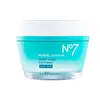
Skin ConditioningWater, Glycerin, Caprylic/Capric Triglyceride, Butylene Glycol, Dimethicone, Ethylhexyl Stearate, Sodium Polyacrylate, Alcohol Denat., Xylitylglucoside, Phenoxyethanol, Acrylates/C10-30 Alkyl Acrylate Crosspolymer, Panthenol, Anhydroxylitol, Tocopheryl Acetate, Polysorbate 20, Xanthan Gum, Caprylyl Glycol, Sodium Benzoate, Xylitol, Ascorbyl Glucoside, Propylene Glycol, Parfum, Ethylhexylglycerin, Potassium Hydroxide, Tetrasodium EDTA, Glucose, Panax Ginseng Root Extract, Biosaccharide Gum-4, Dipropylene Glycol, Morus Alba Leaf Extract
Water
Skin ConditioningPropylene Glycol Dicaprylate/Dicaprate
EmollientButylene Glycol
Humectant
Glycerin
Humectant
Sorbitan Stearate
Emulsifying
Caprylic/Capric Triglyceride
Masking
Cetearyl Alcohol
Emollient
Glyceryl Stearate
Emollient
Dicaprylyl Carbonate
EmollientEthyl Macadamiate
Skin Conditioning
Cyclopentasiloxane
Emollient
Cyclohexasiloxane
Emollient
Glyceryl Behenate/Eicosadioate
Emollient
Borago Officinalis Seed Oil
Emollient
Oenothera Biennis Oil
Emollient
Olea Europaea Fruit Oil
Masking
Prunus Armeniaca Fruit
AstringentGlycine Soja Sterols
Emollient
Tocopheryl Acetate
Antioxidant
Tocopherol
Antioxidant
Tetrahexyldecyl Ascorbate
Antioxidant
Ascorbyl Palmitate
Antioxidant
Linoleic Acid
Cleansing

Phospholipids
Skin Conditioning
Sodium Hyaluronate
Humectant
Retinyl Palmitate
Skin Conditioning

Sodium Dilauramidoglutamide Lysine
HumectantCetearyl Glucoside
EmulsifyingSclerotium Gum
Emulsion StabilisingHectorite
AbsorbentCaprylyl Glycol
Emollient
Ethylhexylglycerin
Skin ConditioningPhenoxyethanol
Preservative
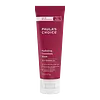
Water, Propylene Glycol Dicaprylate/Dicaprate, Butylene Glycol, Glycerin, Sorbitan Stearate, Caprylic/Capric Triglyceride, Cetearyl Alcohol, Glyceryl Stearate, Dicaprylyl Carbonate, Ethyl Macadamiate, Cyclopentasiloxane, Cyclohexasiloxane, Glyceryl Behenate/Eicosadioate, Borago Officinalis Seed Oil, Oenothera Biennis Oil, Olea Europaea Fruit Oil, Prunus Armeniaca Fruit, Glycine Soja Sterols, Tocopheryl Acetate, Tocopherol, Tetrahexyldecyl Ascorbate, Ascorbyl Palmitate, Linoleic Acid, Phospholipids, Sodium Hyaluronate, Retinyl Palmitate, Sodium Dilauramidoglutamide Lysine, Cetearyl Glucoside, Sclerotium Gum, Hectorite, Caprylyl Glycol, Ethylhexylglycerin, Phenoxyethanol
Reviews
Ingredients Explained
These ingredients are found in both products.
Ingredients higher up in an ingredient list are typically present in a larger amount.
Butylene Glycol (or BG) is used within cosmetic products for a few different reasons:
Overall, Butylene Glycol is a safe and well-rounded ingredient that works well with other ingredients.
Though this ingredient works well with most skin types, some people with sensitive skin may experience a reaction such as allergic rashes, closed comedones, or itchiness.
Learn more about Butylene GlycolThis ingredient is an emollient, solvent, and texture enhancer. It is considered a skin-softener by helping the skin prevent moisture loss.
It helps thicken a product's formula and makes it easier to spread by dissolving clumping compounds.
Caprylic Triglyceride is made by combining glycerin with coconut oil, forming a clear liquid.
While there is an assumption Caprylic Triglyceride can clog pores due to it being derived from coconut oil, there is no research supporting this.
Learn more about Caprylic/Capric TriglycerideCaprylyl Glycol is a humectant and emollient, meaning it attracts and preserves moisture.
It is a common ingredient in many products, especially those designed to hydrate skin. The primary benefits are retaining moisture, skin softening, and promoting a healthy skin barrier.
Though Caprylyl Glycol is an alcohol derived from fatty acids, it is not the kind that can dry out skin.
This ingredient is also used as a preservative to extend the life of products. It has slight antimicrobial properties.
Learn more about Caprylyl GlycolEthylhexylglycerin (we can't pronounce this either) is commonly used as a preservative and skin softener. It is derived from glyceryl.
You might see Ethylhexylglycerin often paired with other preservatives such as phenoxyethanol. Ethylhexylglycerin has been found to increase the effectiveness of these other preservatives.
Glycerin is already naturally found in your skin. It helps moisturize and protect your skin.
A study from 2016 found glycerin to be more effective as a humectant than AHAs and hyaluronic acid.
As a humectant, it helps the skin stay hydrated by pulling moisture to your skin. The low molecular weight of glycerin allows it to pull moisture into the deeper layers of your skin.
Hydrated skin improves your skin barrier; Your skin barrier helps protect against irritants and bacteria.
Glycerin has also been found to have antimicrobial and antiviral properties. Due to these properties, glycerin is often used in wound and burn treatments.
In cosmetics, glycerin is usually derived from plants such as soybean or palm. However, it can also be sourced from animals, such as tallow or animal fat.
This ingredient is organic, colorless, odorless, and non-toxic.
Glycerin is the name for this ingredient in American English. British English uses Glycerol/Glycerine.
Learn more about GlycerinPhenoxyethanol is a preservative that has germicide, antimicrobial, and aromatic properties. Studies show that phenoxyethanol can prevent microbial growth. By itself, it has a scent that is similar to that of a rose.
It's often used in formulations along with Caprylyl Glycol to preserve the shelf life of products.
Tocopheryl Acetate is AKA Vitamin E. It is an antioxidant and protects your skin from free radicals. Free radicals damage the skin by breaking down collagen.
One study found using Tocopheryl Acetate with Vitamin C decreased the number of sunburned cells.
Tocopheryl Acetate is commonly found in both skincare and dietary supplements.
Learn more about Tocopheryl AcetateWater. It's the most common cosmetic ingredient of all. You'll usually see it at the top of ingredient lists, meaning that it makes up the largest part of the product.
So why is it so popular? Water most often acts as a solvent - this means that it helps dissolve other ingredients into the formulation.
You'll also recognize water as that liquid we all need to stay alive. If you see this, drink a glass of water. Stay hydrated!
Learn more about Water
