No7 Future Renew Damage Reversal Serum Versus Serious Skincare Ultra-Mare Pure Marine Infusion Concentrated Serum
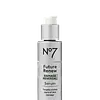
This anti-aging serum is formulated around Niacinamide to soften the look of wrinkles and refine skin texture.
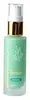
This hydrating serum is formulated around Niacinamide and Ectoin to hydrate skin and strengthen the skin barrier.


What's inside
What's inside
 Key Ingredients
Benefits
Concerns
Ingredients Side-by-side
Water
Skin ConditioningDimethicone
Emollient

Butylene Glycol
Humectant

Glycerin
Humectant
Methyl Gluceth-20
Humectant
Isononyl Isononanoate
EmollientPolysilicone-11

Niacinamide
Smoothing








Phenoxyethanol
Preservative
Acrylates/Beheneth-25 Methacrylate Copolymer
Tocopheryl Acetate
Antioxidant

Silica
Abrasive
Panthenol
Skin Conditioning
Polysorbate 20
Emulsifying

Caprylyl Glycol
Emollient
Ammonium Acryloyldimethyltaurate/Vp Copolymer
Potassium Hydroxide
BufferingXanthan Gum
EmulsifyingSodium Hyaluronate
Humectant
Hydrolyzed Rice Protein
Skin ConditioningDecyl Glucoside
Cleansing
Propylene Glycol
Humectant
Ethylhexylglycerin
Skin ConditioningAscorbyl Glucoside
Antioxidant
Propanediol
Solvent
Pentylene Glycol
Skin Conditioning
Tetrasodium EDTA
Hexylene Glycol
EmulsifyingT-Butyl Alcohol
Perfuming



Sodium Benzoate
Masking
Morus Alba Leaf Extract
Skin ConditioningPalmitoyl Tetrapeptide-94

Palmitoyl Tetrapeptide-95
Water, Dimethicone, Butylene Glycol, Glycerin, Methyl Gluceth-20, Isononyl Isononanoate, Polysilicone-11, Niacinamide, Phenoxyethanol, Acrylates/Beheneth-25 Methacrylate Copolymer, Tocopheryl Acetate, Silica, Panthenol, Polysorbate 20, Caprylyl Glycol, Ammonium Acryloyldimethyltaurate/Vp Copolymer, Potassium Hydroxide, Xanthan Gum, Sodium Hyaluronate, Hydrolyzed Rice Protein, Decyl Glucoside, Propylene Glycol, Ethylhexylglycerin, Ascorbyl Glucoside, Propanediol, Pentylene Glycol, Tetrasodium EDTA, Hexylene Glycol, T-Butyl Alcohol, Sodium Benzoate, Morus Alba Leaf Extract, Palmitoyl Tetrapeptide-94, Palmitoyl Tetrapeptide-95
Water
Skin ConditioningButylene Glycol
Humectant
Isododecane
EmollientDimethicone
Emollient
Caprylic/Capric Triglyceride
Masking
Hydrolyzed Rice Protein
Skin ConditioningPolysilicone-11
Polymethylsilsesquioxane
Coco-Caprylate/Caprate
Emollient
Sea Salt
Abrasive
Niacinamide
Smoothing
Medicago Sativa Extract
TonicGold
Cosmetic ColorantMicrococcus Lysate
Skin ConditioningHelianthus Annuus Seed Extract
Skin Conditioning
Laureth-12
EmulsifyingAlgae Extract
Emollient
Plankton Extract
Skin ConditioningPolyacrylate-13
Polyisobutene
Tetrahexyldecyl Ascorbate
Antioxidant
Decyl Glucoside
Cleansing
Ectoin
Skin Conditioning
Parfum
Masking
Polysorbate 20
Emulsifying
Sodium Hyaluronate
Humectant
Carbomer
Emulsion StabilisingHydroxyethylcellulose
Emulsion StabilisingPanthenol
Skin Conditioning
Ammonium Acryloyldimethyltaurate/Vp Copolymer
Phenoxyethanol
Preservative
Ethylhexylglycerin
Skin ConditioningHydrolyzed Pea
Skin ConditioningHelichrysum Stoechas Extract
TonicTriticum Vulgare Germ Extract
Skin ConditioningHydrolyzed Soy Protein
Humectant
Yeast Extract
Skin ConditioningMagnesium Aspartate
Skin ConditioningZinc Gluconate
Skin Conditioning
Copper Gluconate
Skin Conditioning
Blue 1 Lake
Cosmetic ColorantCI 19140
Cosmetic ColorantWater, Butylene Glycol, Isododecane, Dimethicone, Caprylic/Capric Triglyceride, Hydrolyzed Rice Protein, Polysilicone-11, Polymethylsilsesquioxane, Coco-Caprylate/Caprate, Sea Salt, Niacinamide, Medicago Sativa Extract, Gold, Micrococcus Lysate, Helianthus Annuus Seed Extract, Laureth-12, Algae Extract, Plankton Extract, Polyacrylate-13, Polyisobutene, Tetrahexyldecyl Ascorbate, Decyl Glucoside, Ectoin, Parfum, Polysorbate 20, Sodium Hyaluronate, Carbomer, Hydroxyethylcellulose, Panthenol, Ammonium Acryloyldimethyltaurate/Vp Copolymer, Phenoxyethanol, Ethylhexylglycerin, Hydrolyzed Pea, Helichrysum Stoechas Extract, Triticum Vulgare Germ Extract, Hydrolyzed Soy Protein, Yeast Extract, Magnesium Aspartate, Zinc Gluconate, Copper Gluconate, Blue 1 Lake, CI 19140
Reviews
Ingredients Explained
These ingredients are found in both products.
Ingredients higher up in an ingredient list are typically present in a larger amount.
Ammonium Acryloyldimethyltaurate/Vp Copolymer is a synthetically created polymer. It's used as a film-forming agent and used to thicken the consistency of products.
Think of it as a supportive ingredient that helps your gel-creams feel silky, "cloud cream-like", and spread evenly without being greasy.
The Cosmetic Ingredient Review (CIR) Expert Panel evaluated it (along with 22 other acryloyldimethyltaurate polymers) and concluded it's:
Due to its large molecular size, it sits on the surface of skin rather than penetrating it.
Learn more about Ammonium Acryloyldimethyltaurate/Vp CopolymerButylene Glycol (or BG) is used within cosmetic products for a few different reasons:
Overall, Butylene Glycol is a safe and well-rounded ingredient that works well with other ingredients.
Though this ingredient works well with most skin types, some people with sensitive skin may experience a reaction such as allergic rashes, closed comedones, or itchiness.
Learn more about Butylene GlycolDecyl Glucoside is a plant-derived surfactant and emulsion stabilizer. It is created by reacting glucose with the fatty acids from plants.
Like all surfactants, it works by lowering the surface tension between water and oil. This makes it so that dirt, sebum, and makeup can be lifted off your skin and rinsed away. It also produces a dense and creamy foam.
Because it has a neutral charge, it is compatible with a wide range of ingredients and stays stable across a broad pH range/water hardiness conditions.
Patch testing has shown it to have the lowest irritation potential among common cleansing surfactants (like SLS).
Typical use levels range from 5-20% in rinse-off cleansers.
One thing worth knowing: The American Contact Dermatitis Society named the parent family, alkyl glucosides, "Allergen of the Year" in 2017. The prevalence of allergy is pretty low but be sure to patch test if you've reacted to "gentle" or sulfate-free cleansers before.
This ingredient is fungal acne safe because the fatty alcohol portion of this ingredient is not within the C11-24 chain length that Malassezia can metabolize.
Learn more about Decyl GlucosideDimethicone is a type of synthetic silicone created from natural materials such as quartz. It is also known as polydimethylsiloxane.
What it does:
Dimethicone comes in different viscosities:
Depending on the viscosity, dimethicone has different properties.
Ingredients lists don't always show which type is used, so we recommend reaching out to the brand if you have questions about the viscosity.
This ingredient is unlikely to cause irritation because it does not get absorbed into skin. However, people with silicone allergies should be careful about using this ingredient.
Note: Dimethicone may contribute to pilling. This is because it is not oil or water soluble, so pilling may occur when layered with products. When mixed with heavy oils in a formula, the outcome is also quite greasy.
Learn more about DimethiconeEthylhexylglycerin is created from glycerin. It is a multitasker ingredient that:
The CIR Expert Panel found minimal skin absorption or sensitization of any kind in a safety assessment. Though this ingredient is considered well-tolerated, a small number of cases of allergic dermatitis have been published since 2002. Just be sure to patch test if you are unsure.
Industry-reported use ranges from 8% in rinse-off products and 2% in leave-on formulations.
Learn more about EthylhexylglycerinHydrolyzed Rice Protein is protein extracted from rice. This ingredient is rich in antioxidants and peptides.
Studies show this ingredient may help with blocking the melanin creation process when skin is exposed to UV.
Niacinamide is a multitasking form of vitamin B3 that strengthens the skin barrier, reduces pores and dark spots, regulates oil, and improves signs of aging.
And the best part? It's gentle and well-tolerated by most skin types, including sensitive and reactive skin.
You might have heard of "niacin flush", or the reddening of skin that causes itchiness. Niacinamide has not been found to cause this.
In very rare cases, some individuals may not be able to tolerate niacinamide at all or experience an allergic reaction to it.
If you are experiencing flaking, irritation, and dryness with this ingredient, be sure to double check all your products as this ingredient can be found in all categories of skincare.
When incorporating niacinamide into your routine, look out for concentration amounts. Typically, 5% niacinamide provides benefits such as fading dark spots. However, if you have sensitive skin, it is better to begin with a smaller concentration.
When you apply niacinamide to your skin, your body converts it into nicotinamide adenine dinucleotide (NAD). NAD is an essential coenzyme that is already found in your cells as "fuel" and powers countless biological processes.
In your skin, NAD helps repair cell damage, produce new healthy cells, support collagen production, strengthen the skin barrier, and fight environmental stressors (like UV and pollution).
Our natural NAD levels start to decline with age, leading to slower skin repair, visible aging, and a weaker skin barrier. By providing your skin niacinamide, you're recharging your skin's NAD levels. This leads to stronger, healthier, and younger looking skin.
Another name for vitamin B3 is nicotinamide. This vitamin is water-soluble and our bodies don't store it. We obtain Vitamin B3 from either food or skincare. Meat, fish, wheat, yeast, and leafy greens contain vitamin B3.
The type of niacinamide used in skincare is synthetically created.
Learn more about NiacinamidePanthenol is a common ingredient that helps hydrate and soothe the skin. It is found naturally in our skin and hair.
There are two forms of panthenol: D and L.
D-panthenol is also known as dexpanthenol. Most cosmetics use dexpanthenol or a mixture of D and L-panthenol.
Panthenol is famous due to its ability to go deeper into the skin's layers. Using this ingredient has numerous pros (and no cons):
Like hyaluronic acid, panthenol is a humectant. Humectants are able to bind and hold large amounts of water to keep skin hydrated.
This ingredient works well for wound healing. It works by increasing tissue in the wound and helps close open wounds.
Once oxidized, panthenol converts to pantothenic acid. Panthothenic acid is found in all living cells.
This ingredient is also referred to as pro-vitamin B5.
Learn more about PanthenolPhenoxyethanol is one of the most widely used preservatives in skincare (and for good reason!).
It has a large spectrum of antimicrobial activity and especially effective bacteria, yeast, and mold while only having a weak effect on your skin's natural microbiome.
On a cellular level, it disrupts the cell membranes of microbes by poking holes that make the cell leak. This shuts down the chemical reactions the microbe needs to make energy so it can no longer survive.
Another perk of this ingredient is that it stays functional across a wide pH range (3-10).
You'll often see it paired with boosters like Ethylhexylglycerin; one study showed that a 1:9 ratio of Ethylhexylglycerin to Phenoxyethanol damages bacterial membranes as effectively as doubling the Phenoxyethanol concentration on its own.
Typical use concentrations range from 0.3-1% depending on the formula, and this ingredient is capped at 1% int the EU.
Safety-wise, the fear mongering does not hold up to the evidence. The EU's Scientific Committee on Consumer Safety and FDA consider it safe as a preservative at up to 1%, including for children of all ages.
Adverse systemic effects only showed up in animal studies at exposures roughly 200x higher than what people get from cosmetics. And despite its very widespread use, this ingredient is a rare sensitizer and allergic reactions are uncommon.
Learn more about PhenoxyethanolPolysilicone-11 is a film-forming silicone that creates a non-tacky and matte finish on the skin. It's commonly used to improve texture, absorb excess oil, and help active ingredients spread evenly.
Due to its "rubber-like" structure, it stays on the skin's surface instead of being absorbed. On the skin, it creates a flexible layer that enhances wearability and stability.
Polysorbate 20 is a gentle, water-soluble emulsifier and mild surfactant. It stops oil and water from separating to keep your formulas blended and stable.
It also acts as a mild penetration enhancer by helping active ingredients absorb slightly better.
The common safety discussion around this ingredient involves a manufacturing byproduct called 1,4-dioxane.
Trace amounts can form during production but the EU's Scientific Committee on Consumer Safety has concluded that levels at/below 10 ppm in finished products are safe (commercial products consistently fall within acceptable margins).
True allergic reactions are uncommon and the CIR Expert Panel has confirmed this ingredient to be safe as used in cosmetics.
Because it is derived from lauric acid, it may not be fungal acne safe.
Learn more about Polysorbate 20Sodium Hyaluronate is the salt form of hyaluronic acid. It is a long sugar chain that is naturally found in your skin, joints, and connective tissue that maintains hydration and elasticity.
In skincare, it works as a humectant. It pulls water from the environment and deeper layers of skin and binds it to the surface.
Interestingly, the size of the molecule affects its behavior:
Some clinical evidence links low molecular weight versions to improved wrinkle depth, elasticity, anti-inflammatory effects, and barrier repair.
Many serums use a blend of both weights so you can get surface hydration plus longer-lasting and deeper effects.
You'll typically see concentrations between 0.1-2% for this ingredient.
Learn more about Sodium HyaluronateWater. It's the most common cosmetic ingredient of all. You'll usually see it at the top of ingredient lists, meaning that it makes up the largest part of the product.
So why is it so popular? Water most often acts as a solvent - this means that it helps dissolve other ingredients into the formulation.
You'll also recognize water as that liquid we all need to stay alive. If you see this, drink a glass of water. Remember to stay hydrated!
Learn more about Water

