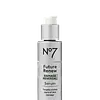
This anti-aging serum is formulated around Niacinamide to soften the look of wrinkles and refine skin texture.
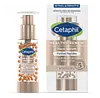
This anti-aging serum is formulated around Panthenol and Niacinamide to soften the look of wrinkles and strengthen the skin barrier.


What's inside
What's inside
 Key Ingredients
Benefits
Concerns
No concerns
Ingredients Side-by-side
Water
Skin ConditioningDimethicone
Emollient

Butylene Glycol
Humectant

Glycerin
Humectant
Methyl Gluceth-20
Humectant
Isononyl Isononanoate
EmollientPolysilicone-11

Niacinamide
Smoothing








Phenoxyethanol
Preservative
Acrylates/Beheneth-25 Methacrylate Copolymer
Tocopheryl Acetate
Antioxidant

Silica
Abrasive
Panthenol
Skin Conditioning
Polysorbate 20
Emulsifying

Caprylyl Glycol
Emollient
Ammonium Acryloyldimethyltaurate/Vp Copolymer
Potassium Hydroxide
BufferingXanthan Gum
EmulsifyingSodium Hyaluronate
Humectant
Hydrolyzed Rice Protein
Skin ConditioningDecyl Glucoside
Cleansing
Propylene Glycol
Humectant
Ethylhexylglycerin
Skin ConditioningAscorbyl Glucoside
Antioxidant
Propanediol
Solvent
Pentylene Glycol
Skin Conditioning
Tetrasodium EDTA
ChelatingHexylene Glycol
EmulsifyingT-Butyl Alcohol
Perfuming



Sodium Benzoate
Masking
Morus Alba Leaf Extract
Skin ConditioningPalmitoyl Tetrapeptide-94

Palmitoyl Tetrapeptide-95
Water, Dimethicone, Butylene Glycol, Glycerin, Methyl Gluceth-20, Isononyl Isononanoate, Polysilicone-11, Niacinamide, Phenoxyethanol, Acrylates/Beheneth-25 Methacrylate Copolymer, Tocopheryl Acetate, Silica, Panthenol, Polysorbate 20, Caprylyl Glycol, Ammonium Acryloyldimethyltaurate/Vp Copolymer, Potassium Hydroxide, Xanthan Gum, Sodium Hyaluronate, Hydrolyzed Rice Protein, Decyl Glucoside, Propylene Glycol, Ethylhexylglycerin, Ascorbyl Glucoside, Propanediol, Pentylene Glycol, Tetrasodium EDTA, Hexylene Glycol, T-Butyl Alcohol, Sodium Benzoate, Morus Alba Leaf Extract, Palmitoyl Tetrapeptide-94, Palmitoyl Tetrapeptide-95
Water
Skin ConditioningButylene Glycol
Humectant
Glycerin
Humectant
Panthenol
Skin Conditioning
1,2-Hexanediol
Skin Conditioning
Niacinamide
Smoothing
Cetyl Ethylhexanoate
EmollientHydrogenated Polydecene
EmollientAcrylates/C10-30 Alkyl Acrylate Crosspolymer
Emulsion StabilisingTromethamine
BufferingOryza Sativa Lees Extract
Skin ConditioningLeontopodium Alpinum Extract
Skin ConditioningCalcium Alginate
MaskingPropanediol
Solvent
Hydrolyzed Soy Flour
Skin ConditioningEthylhexylglycerin
Skin ConditioningAgar
MaskingAdenosine
Skin Conditioning
Trisodium Ethylenediamine Disuccinate
ChelatingSynthetic Fluorphlogopite
Caprylyl Glycol
Emollient
Iron Oxides
Citric Acid
Buffering
Sodium Benzoate
Masking
Potassium Sorbate
Preservative
Buddleja Davidii Extract
Skin ConditioningThymus Vulgaris Extract
Perfuming
Tocopherol
Antioxidant
Water, Butylene Glycol, Glycerin, Panthenol, 1,2-Hexanediol, Niacinamide, Cetyl Ethylhexanoate, Hydrogenated Polydecene, Acrylates/C10-30 Alkyl Acrylate Crosspolymer, Tromethamine, Oryza Sativa Lees Extract, Leontopodium Alpinum Extract, Calcium Alginate, Propanediol, Hydrolyzed Soy Flour, Ethylhexylglycerin, Agar, Adenosine, Trisodium Ethylenediamine Disuccinate, Synthetic Fluorphlogopite, Caprylyl Glycol, Iron Oxides, Citric Acid, Sodium Benzoate, Potassium Sorbate, Buddleja Davidii Extract, Thymus Vulgaris Extract, Tocopherol
Reviews
Ingredients Explained
These ingredients are found in both products.
Ingredients higher up in an ingredient list are typically present in a larger amount.
Butylene Glycol (or BG) is used within cosmetic products for a few different reasons:
Overall, Butylene Glycol is a safe and well-rounded ingredient that works well with other ingredients.
Though this ingredient works well with most skin types, some people with sensitive skin may experience a reaction such as allergic rashes, closed comedones, or itchiness.
Learn more about Butylene GlycolCaprylyl Glycol is a humectant, skin conditioner, emollient, and preservative booster derived from either caprylic acid or synthetically created.
Typical use levels vary from 0.3-1% as a preservative booster and go up to 2% to condition skin.
Because it is not a free-fatty acid, this ingredient is fungal acne safe (there's nothing for Malassezia to feed on).
Learn more about Caprylyl GlycolEthylhexylglycerin is created from glycerin. It is a multitasker ingredient that:
The CIR Expert Panel found minimal skin absorption or sensitization of any kind in a safety assessment. Though this ingredient is considered well-tolerated, a small number of cases of allergic dermatitis have been published since 2002. Just be sure to patch test if you are unsure.
Industry-reported use ranges from 8% in rinse-off products and 2% in leave-on formulations.
Learn more about EthylhexylglycerinGlycerin (or glycerol) is a compound naturally found in your skin. It's a powerhouse humectant that pulls water into the stratum corneum.
Topically, glycerin does several things at once:
Your skin makes glycerin on its own (mostly from sebaceous oil breakdown) and shuttles it to your outermost layer of skin, or your epidermis, via aquaporin-3.
Aquaporin-3 is a transporter that is essential for normal skin hydration, elasticity, and repair. Interestingly, mice lacking in AQP3 have dry and less elastic skin that can be fully corrected with glycerin.
This ingredient is non-irritating, plays well with almost every ingredient, and works across all skin types. Typical use is anywhere between 3-10% but can go up to 79% in some leave-on products.
Just know very high concentrations (>40%) can feel tacky in low humidity.
Glycerin is the name for this ingredient in American English. British English uses Glycerol/Glycerine.
Learn more about GlycerinNiacinamide is a multitasking form of vitamin B3 that strengthens the skin barrier, reduces pores and dark spots, regulates oil, and improves signs of aging.
And the best part? It's gentle and well-tolerated by most skin types, including sensitive and reactive skin.
You might have heard of "niacin flush", or the reddening of skin that causes itchiness. Niacinamide has not been found to cause this.
In very rare cases, some individuals may not be able to tolerate niacinamide at all or experience an allergic reaction to it.
If you are experiencing flaking, irritation, and dryness with this ingredient, be sure to double check all your products as this ingredient can be found in all categories of skincare.
When incorporating niacinamide into your routine, look out for concentration amounts. Typically, 5% niacinamide provides benefits such as fading dark spots. However, if you have sensitive skin, it is better to begin with a smaller concentration.
When you apply niacinamide to your skin, your body converts it into nicotinamide adenine dinucleotide (NAD). NAD is an essential coenzyme that is already found in your cells as "fuel" and powers countless biological processes.
In your skin, NAD helps repair cell damage, produce new healthy cells, support collagen production, strengthen the skin barrier, and fight environmental stressors (like UV and pollution).
Our natural NAD levels start to decline with age, leading to slower skin repair, visible aging, and a weaker skin barrier. By providing your skin niacinamide, you're recharging your skin's NAD levels. This leads to stronger, healthier, and younger looking skin.
Another name for vitamin B3 is nicotinamide. This vitamin is water-soluble and our bodies don't store it. We obtain Vitamin B3 from either food or skincare. Meat, fish, wheat, yeast, and leafy greens contain vitamin B3.
The type of niacinamide used in skincare is synthetically created.
Learn more about NiacinamidePanthenol is a common ingredient that helps hydrate and soothe the skin. It is found naturally in our skin and hair.
There are two forms of panthenol: D and L.
D-panthenol is also known as dexpanthenol. Most cosmetics use dexpanthenol or a mixture of D and L-panthenol.
Panthenol is famous due to its ability to go deeper into the skin's layers. Using this ingredient has numerous pros (and no cons):
Like hyaluronic acid, panthenol is a humectant. Humectants are able to bind and hold large amounts of water to keep skin hydrated.
This ingredient works well for wound healing. It works by increasing tissue in the wound and helps close open wounds.
Once oxidized, panthenol converts to pantothenic acid. Panthothenic acid is found in all living cells.
This ingredient is also referred to as pro-vitamin B5.
Learn more about PanthenolPropanediol is an all-star ingredient. It softens, hydrates, and smooths the skin.
It’s often used to:
Propanediol is not likely to cause sensitivity and considered safe to use. It is derived from corn or petroleum with a clear color and no scent.
Learn more about PropanediolSodium Benzoate is a preservative. It's used in both cosmetic and food products to inhibit the growth of mold and bacteria. It is typically produced synthetically.
Both the US FDA and EU Health Committee have approved the use of sodium benzoate. In the US, levels of 0.1% (of the total product) are allowed.
Sodium benzoate works as a preservative by inhibiting the growth of bacteria inside of cells. It prevents the cell from fermenting a type of sugar using an enzyme called phosphofructokinase.
It is the salt of benzoic acid. Foods containing sodium benzoate include soda, salad dressings, condiments, fruit juices, wines, and snack foods.
Studies for using ascorbic acid and sodium benzoate in cosmetics are lacking, especially in skincare routines with multiple steps.
We always recommend speaking with a professional, such as a dermatologist, if you have any concerns.
Learn more about Sodium BenzoateWater. It's the most common cosmetic ingredient of all. You'll usually see it at the top of ingredient lists, meaning that it makes up the largest part of the product.
So why is it so popular? Water most often acts as a solvent - this means that it helps dissolve other ingredients into the formulation.
You'll also recognize water as that liquid we all need to stay alive. If you see this, drink a glass of water. Remember to stay hydrated!
Learn more about Water

