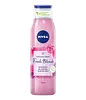
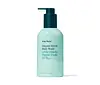
Nivea Fresh Blends Raspberry, Blueberry, Almond Milk Shower Gel Versus Ursa Major Hoppin’ Fresh Body Wash


What's inside
What's inside
 Key Ingredients
Benefits
Concerns
Ingredients Side-by-side
Water
Skin ConditioningSodium Laureth Sulfate
Cleansing



Cocamidopropyl Betaine
Cleansing

Coco-Glucoside
Cleansing
Prunus Amygdalus Dulcis Oil
Skin Conditioning



Rubus Idaeus Juice
AstringentVaccinium Myrtillus Fruit Extract
Skin ConditioningAloe Barbadensis Leaf Juice Powder
Skin Conditioning

Glycerin
Humectant

Citric Acid
Buffering

Glycol Distearate
Emollient
Laureth-4
Emulsifying
Sodium Chloride
MaskingSodium Hydroxide
BufferingXanthan Gum
EmulsifyingCetearyl Glucoside
Emulsifying
Glyceryl Stearate Se
Emulsifying
Sodium Polynaphthalenesulfonate
Emulsion StabilisingDenatonium Benzoate
Masking
Sodium Benzoate
Masking
Trisodium EDTA
ChelatingPhenoxyethanol
Preservative
Potassium Sorbate
Preservative
Benzoic Acid
Masking
Dehydroacetic Acid
Preservative
Ethylhexylglycerin
Skin ConditioningSorbic Acid
Preservative
Benzyl Alcohol
Perfuming


Benzyl Salicylate
Perfuming
Linalool
Perfuming
Hexyl Cinnamal
Perfuming
Parfum
Masking
CI 12490
Cosmetic ColorantWater, Sodium Laureth Sulfate, Cocamidopropyl Betaine, Coco-Glucoside, Prunus Amygdalus Dulcis Oil, Rubus Idaeus Juice, Vaccinium Myrtillus Fruit Extract, Aloe Barbadensis Leaf Juice Powder, Glycerin, Citric Acid, Glycol Distearate, Laureth-4, Sodium Chloride, Sodium Hydroxide, Xanthan Gum, Cetearyl Glucoside, Glyceryl Stearate Se, Sodium Polynaphthalenesulfonate, Denatonium Benzoate, Sodium Benzoate, Trisodium EDTA, Phenoxyethanol, Potassium Sorbate, Benzoic Acid, Dehydroacetic Acid, Ethylhexylglycerin, Sorbic Acid, Benzyl Alcohol, Benzyl Salicylate, Linalool, Hexyl Cinnamal, Parfum, CI 12490
Water
Skin ConditioningGlycerin
Humectant
Cocamidopropyl Hydroxysultaine
Cleansing
Sodium Cocoyl Isethionate
Cleansing
Caprylyl/Capryl Glucoside
CleansingSodium Chloride
MaskingSodium Lauroyl Methyl Isethionate
CleansingGuar Hydroxypropyltrimonium Chloride
Skin ConditioningBenzyl Alcohol
Perfuming
Xanthan Gum
EmulsifyingCoconut Acid
Cleansing
Potassium Sorbate
Preservative
Lavandula Angustifolia Oil
Masking
Sodium Gluconate
ChelatingCitrus Aurantium Dulcis Peel Oil
Masking
Eucalyptus Radiata Flower/Leaf/Stem Oil
Masking
Sodium Isethionate
CleansingCitrus Paradisi Peel Oil
Masking
Mentha Piperita Oil
Masking
Aloe Barbadensis Leaf Juice Powder
Skin Conditioning
Cocamidopropyl Dimethylamine
Emulsifying
Citric Acid
Buffering
Erythritol
Humectant
Glycol Distearate
Emollient
Melaleuca Alternifolia Leaf Oil
Antioxidant


Populus Tremuloides Bark Extract
AntiseborrhoeicBetula Alba Juice
AstringentSimmondsia Chinensis Seed Oil
Emollient
Dehydroacetic Acid
Preservative
Myrtus Communis Oil
Masking
Trisodium Ethylenediamine Disuccinate
ChelatingSodium Benzoate
Masking
Citrus Aurantifolia Oil
Cleansing
Propanediol
Solvent
Tetrasodium Glutamate Diacetate
ChelatingZingiber Officinale Root Oil
Masking
Santalum Spicatum Seed Oil
Skin Conditioning
Pogostemon Cablin Leaf Oil
Masking
Acer Saccharum Extract
Skin ConditioningPrunus Serotina Bark Extract
MaskingLimonene
Perfuming
Linalool
Perfuming
Citral
Perfuming
Water, Glycerin, Cocamidopropyl Hydroxysultaine, Sodium Cocoyl Isethionate, Caprylyl/Capryl Glucoside, Sodium Chloride, Sodium Lauroyl Methyl Isethionate, Guar Hydroxypropyltrimonium Chloride, Benzyl Alcohol, Xanthan Gum, Coconut Acid, Potassium Sorbate, Lavandula Angustifolia Oil, Sodium Gluconate, Citrus Aurantium Dulcis Peel Oil, Eucalyptus Radiata Flower/Leaf/Stem Oil, Sodium Isethionate, Citrus Paradisi Peel Oil, Mentha Piperita Oil, Aloe Barbadensis Leaf Juice Powder, Cocamidopropyl Dimethylamine, Citric Acid, Erythritol, Glycol Distearate, Melaleuca Alternifolia Leaf Oil, Populus Tremuloides Bark Extract, Betula Alba Juice, Simmondsia Chinensis Seed Oil, Dehydroacetic Acid, Myrtus Communis Oil, Trisodium Ethylenediamine Disuccinate, Sodium Benzoate, Citrus Aurantifolia Oil, Propanediol, Tetrasodium Glutamate Diacetate, Zingiber Officinale Root Oil, Santalum Spicatum Seed Oil, Pogostemon Cablin Leaf Oil, Acer Saccharum Extract, Prunus Serotina Bark Extract, Limonene, Linalool, Citral
Ingredients Explained
These ingredients are found in both products.
Ingredients higher up in an ingredient list are typically present in a larger amount.
Aloe Barbadensis Leaf Juice Powder comes from the aloe plant.
You may know Aloe to be a good sunburn reliever and inflammation reducer. This is because it contains many components that are known to help reduce irritation and itchiness.
Aloe leaves are also great moisturizers. They are naturally rich in polysaccharides, a carbohydrate made of sugars. Polysaccharides are able to mimic the carbs found in the top layer of your skin. This can help keep your skin hydrated.
Aloe contains the antioxidants Vitamins A, C, and E. These vitamins neutralize free radicals. Free-radicals are molecules that may damage your skin cells, such as pollution.
Aloe does not protect against UV rays, despite it soothing sunburns.
Learn more about Aloe Barbadensis Leaf Juice PowderBenzyl Alcohol is an aromatic alcohol with several roles: it's a preservative, solvent, and mild fragrance component with a floral scent.
This ingredient has been deemed safe for use in cosmetic formulations at concentrations up to 5%, and up to 10% in hair dyes. You'll typically see 0.5-2% in most rinse-off or leave-on products.
As a preservative, it works by disrupting the membrane of microbial proteins. This helps keep bacteria and fungi from growing in your products.
The sensitization picture is actually quite assuring as well:of nearly 71,000 patients patch tested with benzyl alcohol, only 0.21% showed a positive reaction with most of them being weakly positive.
This led researchers to conclude that benzyl alcohol cannot be regarded as a significant contact allergen.
It is worth noting this ingredient is classified as one of the EU's regulated fragrance allergens and restricted to 1% in finished products.
Labels must also declare it in concentrations above 0.001% in leave-on products and 0.01% in rinse-off products.
At concentrations around 5%, localized redness and itching can appear as a direct irritant response and not as a true allergic reaction.
Learn more about Benzyl AlcoholCitric Acid is an alpha hydroxy acid (AHA) naturally found in citrus fruits like oranges, lemons, and limes.
Like other AHAs, citric acid can exfoliate skin by breaking down the bonds that hold dead skin cells together. This helps reveal smoother and brighter skin underneath.
However, this exfoliating effect only happens at high concentrations (20%) which can be hard to find in cosmetic products.
Due to this, citric acid is usually included in small amounts as a pH adjuster. This helps keep products slightly more acidic and compatible with skin's natural pH.
In skincare formulas, citric acid can:
While it can provide some skin benefits, research shows lactic acid and glycolic acid are generally more effective and less irritating exfoliants.
Most citric acid used in skincare today is made by fermenting sugars (usually from molasses). This synthetic version is identical to the natural citrus form but easier to stabilize and use in formulations.
Rosacea skin has a lower threshold for acids generally, with 62.5% of rosacea subjects in one study reacting to lactic acid in a sting test. This is why we mark citric acid as a potential rosacea trigger.
However, this ingredient shows up as a pH adjuster or chelator at roughly 0.1-1% in many products. These low levels are unlikely to be an issue for rosacea skin and becomes a potential trigger at exfoliating concentrations (20%). Because everybody's skin is unique, we recommend a patch test if you are unsure.
Learn more about Citric AcidDehydroacetic Acid is a synthetic preservative that keeps your products safe from microbes.
As an organic acid, it penetrates microbial cell walls and disrupts cellular metabolism. This makes it effective against bacteria, yeast, and mold.
It is effective at low concentrations (<0.6%). Clinical studies have found it to be non-irritating, non-sensitizing, and non-photosensitizing.
Learn more about Dehydroacetic AcidGlycerin (or glycerol) is a compound naturally found in your skin. It's a powerhouse humectant that pulls water into the stratum corneum.
Topically, glycerin does several things at once:
Your skin makes glycerin on its own (mostly from sebaceous oil breakdown) and shuttles it to your outermost layer of skin, or your epidermis, via aquaporin-3.
Aquaporin-3 is a transporter that is essential for normal skin hydration, elasticity, and repair. Interestingly, mice lacking in AQP3 have dry and less elastic skin that can be fully corrected with glycerin.
This ingredient is non-irritating, plays well with almost every ingredient, and works across all skin types. Typical use is anywhere between 3-10% but can go up to 79% in some leave-on products.
Just know very high concentrations (>40%) can feel tacky in low humidity.
Glycerin is the name for this ingredient in American English. British English uses Glycerol/Glycerine.
Learn more about GlycerinGlycol Distearate is an emulsifier and emollient that adds a "pearly" appearance to formulations.
That lustrous look you see in many shampoos is due to this ingredient: when cooled, it crystallizes into small platelets that reflect light to give products that rich, shimmering look.
This ingredient is considered safe at present practices of use and concentration and repeated insult patch test with 50% Glycol Distearate on 125 subjects found no evidence of skin irritation, hypersensitivity, or acute toxicity.
Typical use concentrations range from 0.1-10%.
Because it's an ester of stearic acid, it falls into the range that Malassezia likes to metabolize. This ingredient may not be fungal acne safe.
Learn more about Glycol DistearateLinalool is a small, naturally occurring scent molecule found in plants like lavender, coriander, bergamot, and more.
It is one of the two most-used fragrance ingredients in cosmetics and added purely for smell. Since it's not used for a skin benefit, there's no "effective dose". Concentration depends on the fragrance load of the product.
The EU requires it to be named on the label above 0.001% in leave-on and 0.01% in rinse-off products.
Fresh linalool is a weak sensitizer but air exposure turns some of it into hydroperoxides, which are strong sensitizers. Those oxidation products are the actual allergy concern.
Patch-test clinics see positive reactions to linalool hydroperoxides in about 4% to 12% of dermatitis patients depending on country and test concentration.
Resassuringly, one analytical study found hydroperoxide levels in real fragranced products to be orders of magnitude below what induced sensitization in animal studies with no evidence of oxidation building up during normal storage.
The practical takeaway is that linalool is fine for most people but worth avoiding if you have a confirmed fragrance contact allergy or a badly compromised barrier.
Products stored a long time after opening are also the high-risk scenario since that is when oxidation happens.
The scent of linalool is described as floral, spicy tropical, and citrus-like.
Learn more about LinaloolPotassium Sorbate is a preservative used to prevent yeast and mold in products. It is commonly found in both cosmetic and food products.
This ingredient comes from potassium salt derived from sorbic acid. Sorbic acid is a natural antibiotic and effective against fungus.
Both potassium sorbate and sorbic acid can be found in baked goods, cheeses, dried meats, dried fruit, ice cream, pickles, wine, yogurt, and more.
You'll often find this ingredient used with other preservatives.
Learn more about Potassium SorbateSodium Benzoate is a preservative. It's used in both cosmetic and food products to inhibit the growth of mold and bacteria. It is typically produced synthetically.
Both the US FDA and EU Health Committee have approved the use of sodium benzoate. In the US, levels of 0.1% (of the total product) are allowed.
Sodium benzoate works as a preservative by inhibiting the growth of bacteria inside of cells. It prevents the cell from fermenting a type of sugar using an enzyme called phosphofructokinase.
It is the salt of benzoic acid. Foods containing sodium benzoate include soda, salad dressings, condiments, fruit juices, wines, and snack foods.
Studies for using ascorbic acid and sodium benzoate in cosmetics are lacking, especially in skincare routines with multiple steps.
We always recommend speaking with a professional, such as a dermatologist, if you have any concerns.
Learn more about Sodium BenzoateChances are, you eat sodium chloride every day. Sodium Chloride is also known as table salt. This ingredient has many purposes in skincare: thickener, emulsifier, and exfoliator.
You'll most likely find this ingredient in cleansers where it is used to create a gel-like texture. As an emulsifier, it also prevents ingredients from separating.
You might see people debate whether Sodium Chloride is comedogenic, but there actually haven't been any comedogenic tests done on it. Either way, the overall formulation of a product matters a lot more than any single ingredient.
You might see this ingredient used in scrubs as a primary exfoliating ingredient.
Learn more about Sodium ChlorideWater. It's the most common cosmetic ingredient of all. You'll usually see it at the top of ingredient lists, meaning that it makes up the largest part of the product.
So why is it so popular? Water most often acts as a solvent - this means that it helps dissolve other ingredients into the formulation.
You'll also recognize water as that liquid we all need to stay alive. If you see this, drink a glass of water. Remember to stay hydrated!
Learn more about WaterXanthan gum is used as a stabilizer and thickener within cosmetic products. It helps give products a sticky, thick feeling - preventing them from being too runny.
On the technical side of things, xanthan gum is a polysaccharide - a combination consisting of multiple sugar molecules bonded together.
Xanthan gum is a pretty common and great ingredient. It is a natural, non-toxic, non-irritating ingredient that is also commonly used in food products.
Learn more about Xanthan Gum

