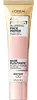
Neutrogena Healthy Skin Anti-Aging Perfector SPF 20 Versus L'Oreal Age Perfect Makeup Blurring Face Primer


What's inside
What's inside
 Key Ingredients
Benefits
Concerns
Ingredients Side-by-side
Ethylhexyl Methoxycinnamate 7%
UV Absorber


Ethylhexyl Salicylate 3%
UV Absorber
Water
Skin ConditioningTitanium Dioxide
Cosmetic Colorant
Isopropyl Isostearate
Emollient


Cyclopentasiloxane
Emollient
Dimethicone
Emollient
Butylene Glycol
Humectant
Glyceryl Stearate
Emollient
Cetyl Alcohol
Emollient
Cetearyl Alcohol
Emollient
PEG-75 Stearate
Lauroyl Lysine
Skin ConditioningTocopheryl Acetate
Antioxidant

Olea Europaea Fruit Extract
BleachingBHT
Antioxidant
Erythorbic Acid
Antioxidant
Bisabolol
Masking



Retinyl Palmitate
Skin Conditioning







Retinol
Skin Conditioning
Arginine
Masking
Silica
Abrasive

Polysorbate 20
Emulsifying
PEG-100 Stearate
Isostearyl Palmitate
Emollient
Sclerotium Gum
Emulsion StabilisingPolysilicone-11
Ammonium Polyacryloyldimethyl Taurate
Emulsion StabilisingCeteth-20
CleansingSteareth-20
CleansingTetrasodium EDTA
Iron Oxides
Methylparaben
Preservative

Propylparaben
Preservative
Ethylparaben
Preservative
Phenoxyethanol
Preservative
Parfum
Masking
Ethylhexyl Methoxycinnamate 7%, Ethylhexyl Salicylate 3%, Water, Titanium Dioxide, Isopropyl Isostearate, Cyclopentasiloxane, Dimethicone, Butylene Glycol, Glyceryl Stearate, Cetyl Alcohol, Cetearyl Alcohol, PEG-75 Stearate, Lauroyl Lysine, Tocopheryl Acetate, Olea Europaea Fruit Extract, BHT, Erythorbic Acid, Bisabolol, Retinyl Palmitate, Retinol, Arginine, Silica, Polysorbate 20, PEG-100 Stearate, Isostearyl Palmitate, Sclerotium Gum, Polysilicone-11, Ammonium Polyacryloyldimethyl Taurate, Ceteth-20, Steareth-20, Tetrasodium EDTA, Iron Oxides, Methylparaben, Propylparaben, Ethylparaben, Phenoxyethanol, Parfum
Dimethicone
Emollient
Water
Skin ConditioningGlycerin
Humectant
Dimethicone Crosspolymer
Emulsion Stabilising
Methyl Methacrylate Crosspolymer
Isononyl Isononanoate
EmollientAlcohol Denat.
Antimicrobial
Vinyl Dimethicone/Methicone Silsesquioxane Crosspolymer
Butylene Glycol
Humectant
Lauryl PEG-9 Polydimethylsiloxyethyl Dimethicone
Skin Conditioning
Boron Nitride
AbsorbentPhenoxyethanol
Preservative
PEG/PPG-18/18 Dimethicone
Emulsifying
Perlite
AbsorbentMagnesium Sulfate
Silica Silylate
EmollientCapryloyl Salicylic Acid
Exfoliating
Caprylyl Glycol
Emollient
Menthyl Lactate
MaskingLens Esculenta Seed Extract
Skin ProtectingBisabolol
Masking
CI 77891
Cosmetic ColorantDextrin
AbsorbentDimethiconol
Emollient
CI 77491
Cosmetic ColorantSynthetic Fluorphlogopite
Eperua Falcata Bark Extract
Skin ProtectingFarnesol
Perfuming
Ethylhexylglycerin
Skin ConditioningDisodium Stearoyl Glutamate
CleansingAluminum Hydroxide
EmollientTocopherol
Antioxidant
Dimethicone, Water, Glycerin, Dimethicone Crosspolymer, Methyl Methacrylate Crosspolymer, Isononyl Isononanoate, Alcohol Denat., Vinyl Dimethicone/Methicone Silsesquioxane Crosspolymer, Butylene Glycol, Lauryl PEG-9 Polydimethylsiloxyethyl Dimethicone, Boron Nitride, Phenoxyethanol, PEG/PPG-18/18 Dimethicone, Perlite, Magnesium Sulfate, Silica Silylate, Capryloyl Salicylic Acid, Caprylyl Glycol, Menthyl Lactate, Lens Esculenta Seed Extract, Bisabolol, CI 77891, Dextrin, Dimethiconol, CI 77491, Synthetic Fluorphlogopite, Eperua Falcata Bark Extract, Farnesol, Ethylhexylglycerin, Disodium Stearoyl Glutamate, Aluminum Hydroxide, Tocopherol
Ingredients Explained
These ingredients are found in both products.
Ingredients higher up in an ingredient list are typically present in a larger amount.
Bisabolol is famous for its skin soothing properties. It does this by blocking inflammatory signals, helping to reduce your body's reaction to irritation.
This ingredient also interferes with the process of hyperpigmentation. This can help with reducing dark spots and uneven tone.
Bisabolol is an antioxidant. Antioxidants help fight free-radicals. Free-radicals are molecules that may damage your skin cells. By fighting these free-radicals, Bisabolol may slow down signs of aging.
Studies have shown Bisabolol to have antimicrobial properties and may be a fungicide. These properties help preserve a product's shelf life.
All these properties makes bisabolol a great skin barrier helper ingredient.
Bisabolol also helps the absorption of other ingredients.
Note: Synthetic Bisabolol has been shown to be less effective.
Learn more about BisabololButylene Glycol (or BG) is used within cosmetic products for a few different reasons:
Overall, Butylene Glycol is a safe and well-rounded ingredient that works well with other ingredients.
Though this ingredient works well with most skin types, some people with sensitive skin may experience a reaction such as allergic rashes, closed comedones, or itchiness.
Learn more about Butylene GlycolDimethicone is a type of synthetic silicone created from natural materials such as quartz.
What it does:
Dimethicone comes in different viscosities:
Depending on the viscosity, dimethicone has different properties.
Ingredients lists don't always show which type is used, so we recommend reaching out to the brand if you have questions about the viscosity.
This ingredient is unlikely to cause irritation because it does not get absorbed into skin. However, people with silicone allergies should be careful about using this ingredient.
Note: Dimethicone may contribute to pilling. This is because it is not oil or water soluble, so pilling may occur when layered with products. When mixed with heavy oils in a formula, the outcome is also quite greasy.
Learn more about DimethiconePhenoxyethanol is a preservative that has germicide, antimicrobial, and aromatic properties. Studies show that phenoxyethanol can prevent microbial growth. By itself, it has a scent that is similar to that of a rose.
It's often used in formulations along with Caprylyl Glycol to preserve the shelf life of products.
Water. It's the most common cosmetic ingredient of all. You'll usually see it at the top of ingredient lists, meaning that it makes up the largest part of the product.
So why is it so popular? Water most often acts as a solvent - this means that it helps dissolve other ingredients into the formulation.
You'll also recognize water as that liquid we all need to stay alive. If you see this, drink a glass of water. Stay hydrated!
Learn more about Water
