Naruko Taiwan Magnolia Brightening and Firming Night Gelly EX Versus Pur Cosmetics Submerge Overnight Detox Anti-Pollution Moisturizer
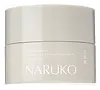
This brightening night moisturizer is formulated around Magnolia Officinalis Bark Extract and Tranexamic Acid to brighten dull-looking skin.
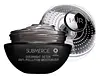
This oil-control night moisturizer is formulated around Camellia Sinensis Leaf Extract and Charcoal Powder to balance excess oil and hydrate skin.

What's inside
What's inside
 Key Ingredients
Benefits
Concerns
Ingredients Side-by-side
Water
Skin ConditioningButylene Glycol
Humectant

Saccharide Isomerate
Humectant
Acrylates/C10-30 Alkyl Acrylate Crosspolymer
Emulsion StabilisingSodium Acrylate/Sodium Acryloyldimethyl Taurate Copolymer
Emulsion StabilisingTriethanolamine
BufferingPhenoxyethanol
Preservative
Crambe Abyssinica Seed Oil
Skin Conditioning


Hazelnut Seed Oil Decyl Esters
Skin Conditioning
Tocopheryl Acetate
Antioxidant


Glycosyl Trehalose
Emulsion StabilisingHydrogenated Starch Hydrolysate
HumectantChlorphenesin
Antimicrobial
Magnolia Officinalis Bark Extract
Antimicrobial
Plantago Major Seed Extract
Skin ConditioningPlantago Psyllium Seed Extract
Skin ConditioningMichelia Alba Flower Oil
Masking
Magnolol
Antioxidant
Tranexamic Acid
Astringent


Citrus Limon Peel Oil
Masking





Citrus Limon Fruit Extract
Masking
Phospholipids
Skin Conditioning
Xanthan Gum
EmulsifyingMichelia Alba Leaf Oil
Masking
Vitis Vinifera Leaf Oil
Masking
3-O-Ethyl Ascorbic Acid
Skin Conditioning



Ascorbyl Glucoside
Antioxidant
Ascorbic Acid
Antioxidant
Sucrose
Humectant
Ethylhexylglycerin
Skin ConditioningHydrogenated Polyisobutene
EmollientNephelium Longana Seed Extract
Skin ConditioningGlycerin
Humectant
Cetyl Ethylhexanoate
EmollientCetearyl Ethylhexanoate
Emollient
Cetyl Caprylate
EmollientLimnanthes Alba Seed Oil
Skin Conditioning
Garcinia Mangostana Seed Oil
Skin Conditioning
Arbutin
Antioxidant
Tremella Fuciformis Extract
Humectant
Sodium Hyaluronate
Humectant
Kalanchoe Spathulata Extract
Antioxidant
Kalanchoe Gastonis-Bonnieri Leaf Extract
Antioxidant
Glycyrrhiza Glabra Root Extract
Bleaching
Scutellaria Alpina Flower/Leaf/Stem Extract
Skin ConditioningPeucedanum Ostruthium Leaf Extract
Skin ConditioningMentha Piperita Leaf Extract
Skin ConditioningGinkgo Biloba Leaf Extract
Skin Conditioning
Artemisia Umbelliformis Extract
Skin ConditioningLeontopodium Alpinum Extract
Skin ConditioningLeontopodium Alpinum Flower/Leaf Extract
Skin ConditioningEpilobium Fleischeri Extract
Skin ConditioningSalix Alba Leaf Extract
Skin ConditioningCalendula Officinalis Flower Extract
Masking
Chamomilla Recutita Extract
Skin Conditioning
Chamomilla Recutita Flower Extract
Masking
Camellia Sinensis Leaf Extract
Antimicrobial
Propanediol
Solvent
Carnosine
Skin Conditioning
Iodopropynyl Butylcarbamate
Preservative
Magnesium Ascorbyl Phosphate
Antioxidant
Citric Acid
Buffering
Daemonorops Draco Extract
AstringentZea Mays Kernel Extract
Acetyl Tyrosine
Skin ConditioningSaxifraga Sarmentosa Extract
Skin ConditioningPaeonia Suffruticosa Root Extract
Skin ProtectingPaeonia Lactiflora Root Extract
Skin ConditioningAtelocollagen
Skin Conditioning
Aminopropyl Ascorbyl Phosphate
Antioxidant
Ammonium Phosphate
BufferingScutellaria Baicalensis Root Extract
Astringent
Sodium Chondroitin Sulfate
Skin ConditioningPlankton Extract
Skin ConditioningGlutathione
Water, Butylene Glycol, Saccharide Isomerate, Acrylates/C10-30 Alkyl Acrylate Crosspolymer, Sodium Acrylate/Sodium Acryloyldimethyl Taurate Copolymer, Triethanolamine, Phenoxyethanol, Crambe Abyssinica Seed Oil, Hazelnut Seed Oil Decyl Esters, Tocopheryl Acetate, Glycosyl Trehalose, Hydrogenated Starch Hydrolysate, Chlorphenesin, Magnolia Officinalis Bark Extract, Plantago Major Seed Extract, Plantago Psyllium Seed Extract, Michelia Alba Flower Oil, Magnolol, Tranexamic Acid, Citrus Limon Peel Oil, Citrus Limon Fruit Extract, Phospholipids, Xanthan Gum, Michelia Alba Leaf Oil, Vitis Vinifera Leaf Oil, 3-O-Ethyl Ascorbic Acid, Ascorbyl Glucoside, Ascorbic Acid, Sucrose, Ethylhexylglycerin, Hydrogenated Polyisobutene, Nephelium Longana Seed Extract, Glycerin, Cetyl Ethylhexanoate, Cetearyl Ethylhexanoate, Cetyl Caprylate, Limnanthes Alba Seed Oil, Garcinia Mangostana Seed Oil, Arbutin, Tremella Fuciformis Extract, Sodium Hyaluronate, Kalanchoe Spathulata Extract, Kalanchoe Gastonis-Bonnieri Leaf Extract, Glycyrrhiza Glabra Root Extract, Scutellaria Alpina Flower/Leaf/Stem Extract, Peucedanum Ostruthium Leaf Extract, Mentha Piperita Leaf Extract, Ginkgo Biloba Leaf Extract, Artemisia Umbelliformis Extract, Leontopodium Alpinum Extract, Leontopodium Alpinum Flower/Leaf Extract, Epilobium Fleischeri Extract, Salix Alba Leaf Extract, Calendula Officinalis Flower Extract, Chamomilla Recutita Extract, Chamomilla Recutita Flower Extract, Camellia Sinensis Leaf Extract, Propanediol, Carnosine, Iodopropynyl Butylcarbamate, Magnesium Ascorbyl Phosphate, Citric Acid, Daemonorops Draco Extract, Zea Mays Kernel Extract, Acetyl Tyrosine, Saxifraga Sarmentosa Extract, Paeonia Suffruticosa Root Extract, Paeonia Lactiflora Root Extract, Atelocollagen, Aminopropyl Ascorbyl Phosphate, Ammonium Phosphate, Scutellaria Baicalensis Root Extract, Sodium Chondroitin Sulfate, Plankton Extract, Glutathione
Water
Skin ConditioningCyclopentasiloxane
Emollient
Propanediol
Solvent
Glycerin
Humectant
Cyclohexasiloxane
Emollient
Polysorbate 20
Emulsifying
Dimethicone
Emollient
Sorbitol
Humectant
Camellia Sinensis Leaf Extract
Antimicrobial
Charcoal Powder
Abrasive

Oleth-20
CleansingAcrylates/C10-30 Alkyl Acrylate Crosspolymer
Emulsion StabilisingTriethanolamine
BufferingButylene Glycol
Humectant
Phenoxyethanol
Preservative
Tocopheryl Acetate
Antioxidant
Dehydroacetic Acid
Preservative
Benzoic Acid
Masking
Ethylhexylglycerin
Skin ConditioningHydrolyzed Viola Tricolor Extract
Skin ProtectingOphiopogon Japonicus Root Extract
Skin ConditioningDisodium EDTA
ChelatingAloe Barbadensis Leaf Juice
Skin Conditioning
Alteromonas Ferment Extract
Skin Conditioning
Sodium Hyaluronate
Humectant
Saccharomyces/Iron Ferment
Skin Conditioning
Saccharomyces/Magnesium Ferment
Saccharomyces/Copper Ferment
Skin Conditioning
Saccharomyces/Silicon Ferment
Skin Conditioning
Saccharomyces/Zinc Ferment
Skin Conditioning
Water, Cyclopentasiloxane, Propanediol, Glycerin, Cyclohexasiloxane, Polysorbate 20, Dimethicone, Sorbitol, Camellia Sinensis Leaf Extract, Charcoal Powder, Oleth-20, Acrylates/C10-30 Alkyl Acrylate Crosspolymer, Triethanolamine, Butylene Glycol, Phenoxyethanol, Tocopheryl Acetate, Dehydroacetic Acid, Benzoic Acid, Ethylhexylglycerin, Hydrolyzed Viola Tricolor Extract, Ophiopogon Japonicus Root Extract, Disodium EDTA, Aloe Barbadensis Leaf Juice, Alteromonas Ferment Extract, Sodium Hyaluronate, Saccharomyces/Iron Ferment, Saccharomyces/Magnesium Ferment, Saccharomyces/Copper Ferment, Saccharomyces/Silicon Ferment, Saccharomyces/Zinc Ferment
Ingredients Explained
These ingredients are found in both products.
Ingredients higher up in an ingredient list are typically present in a larger amount.
Acrylates/C10-30 Alkyl Acrylate Crosspolymer is a synthetic polymer. It is used to thicken, emulsify, and improve the texture of products.
As an emulsifier, it helps stabilize oil-in-water emulsions to give products an elegant feel when applied.
It can also form a thin protective film on skin. One study found that a formula using this polymer helped slow down how quickly other ingredients (like DEET) were absorbed through skin.
A 2024 study of over 1,300 patients confirmed that sensitization to this ingredient is rare. It is also non-mutagenic and has a clean track record.
Learn more about Acrylates/C10-30 Alkyl Acrylate CrosspolymerButylene Glycol (or BG) is used within cosmetic products for a few different reasons:
Overall, Butylene Glycol is a safe and well-rounded ingredient that works well with other ingredients.
Though this ingredient works well with most skin types, some people with sensitive skin may experience a reaction such as allergic rashes, closed comedones, or itchiness.
Learn more about Butylene GlycolCamellia Sinensis Leaf Extract (tea extract) is one of the most well-researched plant extracts in skincare with an impressive resume.
Black tea, green tea, and oolong tea are all harvested from the Camellia Sinensis plant.
Studies show green tea extract and its catechins (like epigallocatechin gallate (EGCG)) help your skin cells product energy more efficiently and reducing the number of free-radicals that can damage your skin from the inside.
In lab-grown skin models, this translated to younger, healthier, and stronger skin.
There's also good sun protection data; researchers saw less DNA damage and redness on human skin when green tea was applied before UVB exposure. And the more they applied, the better the protection.
Needless to say, this ingredient shouldn't replace your sunscreen. But it is a great supportive ingredient that you can already find in many sunscreens and antioxidant serums.
A 2009 study found a 2% green tea lotion was effective for mild-to-moderate acne thanks to its anti-inflammatory and mild antimicrobial activity.
The quality of the extract matters a lot here:
Good extracts contain 50-90% catechins while lower quality ones are mostly there for marketing. We recommend reaching out to the brand if you have questions about the quality or source of their ingredients.
Human Repeated Insult Patch Testing showed no irritation or sensitization at use concentrations (0.86% in leave-on products and up to 30% as leaf water).
Learn more about Camellia Sinensis Leaf ExtractEthylhexylglycerin is created from glycerin. It is a multitasker ingredient that:
The CIR Expert Panel found minimal skin absorption or sensitization of any kind in a safety assessment. Though this ingredient is considered well-tolerated, a small number of cases of allergic dermatitis have been published since 2002. Just be sure to patch test if you are unsure.
Industry-reported use ranges from 8% in rinse-off products and 2% in leave-on formulations.
Learn more about EthylhexylglycerinGlycerin (or glycerol) is a compound naturally found in your skin. It's a powerhouse humectant that pulls water into the stratum corneum.
Topically, glycerin does several things at once:
Your skin makes glycerin on its own (mostly from sebaceous oil breakdown) and shuttles it to your outermost layer of skin, or your epidermis, via aquaporin-3.
Aquaporin-3 is a transporter that is essential for normal skin hydration, elasticity, and repair. Interestingly, mice lacking in AQP3 have dry and less elastic skin that can be fully corrected with glycerin.
This ingredient is non-irritating, plays well with almost every ingredient, and works across all skin types. Typical use is anywhere between 3-10% but can go up to 79% in some leave-on products.
Just know very high concentrations (>40%) can feel tacky in low humidity.
Glycerin is the name for this ingredient in American English. British English uses Glycerol/Glycerine.
Learn more about GlycerinPhenoxyethanol is one of the most widely used preservatives in skincare (and for good reason!).
It has a large spectrum of antimicrobial activity and especially effective bacteria, yeast, and mold while only having a weak effect on your skin's natural microbiome.
On a cellular level, it disrupts the cell membranes of microbes by poking holes that make the cell leak. This shuts down the chemical reactions the microbe needs to make energy so it can no longer survive.
Another perk of this ingredient is that it stays functional across a wide pH range (3-10).
You'll often see it paired with boosters like Ethylhexylglycerin; one study showed that a 1:9 ratio of Ethylhexylglycerin to Phenoxyethanol damages bacterial membranes as effectively as doubling the Phenoxyethanol concentration on its own.
Typical use concentrations range from 0.3-1% depending on the formula, and this ingredient is capped at 1% int the EU.
Safety-wise, the fear mongering does not hold up to the evidence. The EU's Scientific Committee on Consumer Safety and FDA consider it safe as a preservative at up to 1%, including for children of all ages.
Adverse systemic effects only showed up in animal studies at exposures roughly 200x higher than what people get from cosmetics. And despite its very widespread use, this ingredient is a rare sensitizer and allergic reactions are uncommon.
Learn more about PhenoxyethanolPropanediol is an all-star ingredient. It softens, hydrates, and smooths the skin.
It’s often used to:
Propanediol is not likely to cause sensitivity and considered safe to use. It is derived from corn or petroleum with a clear color and no scent.
Learn more about PropanediolSodium Hyaluronate is the salt form of hyaluronic acid. It is a long sugar chain that is naturally found in your skin, joints, and connective tissue that maintains hydration and elasticity.
In skincare, it works as a humectant. It pulls water from the environment and deeper layers of skin and binds it to the surface.
Interestingly, the size of the molecule affects its behavior:
Some clinical evidence links low molecular weight versions to improved wrinkle depth, elasticity, anti-inflammatory effects, and barrier repair.
Many serums use a blend of both weights so you can get surface hydration plus longer-lasting and deeper effects.
You'll typically see concentrations between 0.1-2% for this ingredient.
Learn more about Sodium HyaluronateTocopheryl Acetate is a stable, shelf-friendly form of vitamin E.
Formulators love it because plain vitamin E oxidizes quickly once it hits air. This acetate version stays stable and resists going off, helping to extend a product's shelf life.
It's actually inactive on its own and works like a slow-release "storage" form; the enzymes in your skin called esterases gradually convert it into active vitamin E over time.
One in vivo study showed 5% of the acetate in the living layer of the epidermis converted to vitamin E after 5 days of application. This study also found the skin gained protection against UV damage even though the conversion was slow and small.
Once converted, vitamin E acts as a skin's main fat-soluble antioxidant that fights free radicals to protect skin from damage.
Topical vitamin E generally boosts the skin's photoprotection, and it reduced UV-damage in animal models.
This ingredient has some brightening potential but it's more of a prevention ingredient than spot-fader. Cell studies show it can slow down melanin production but it's worth noting that it's not the most powerful brightener out there.
Overall, it has a pretty solid safety profile and has been found to be non-irritating and non-comedogenic. Allergic reactions may happen but stay rare due to how widely the ingredient gets used.
The concentration will vary depending on the formula; industry data shows 0.1% in baby lotions, 3% in lipsticks, and 5% in foot powders. You can also find this ingredient at 100% in a pure vitamin E oil.
Most leave-on skincare keeps it at the lower end, often between 0.5-1%.
Learn more about Tocopheryl AcetateTriethanolamine (TEA) is an emulsifier and pH adjuster. It is created using ethylene oxide and ammonia. This gives Triethanolamine a nitrogen core and a similar scent to ammonia.
As an emulsifier, it prevents ingredients from separating and enhances texture by adding volume to a product.
PH adjusters are common in cosmetic products. The pH of a product can affect the effectiveness of other ingredients. A product with a high pH may also irritate the skin.
If you are looking for the tea leaf ingredient, click here.
Learn more about TriethanolamineWater. It's the most common cosmetic ingredient of all. You'll usually see it at the top of ingredient lists, meaning that it makes up the largest part of the product.
So why is it so popular? Water most often acts as a solvent - this means that it helps dissolve other ingredients into the formulation.
You'll also recognize water as that liquid we all need to stay alive. If you see this, drink a glass of water. Remember to stay hydrated!
Learn more about Water

