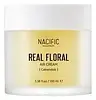
This moisturizer is formulated around Ceramide AP and Beta-Glucan to hydrate skin.
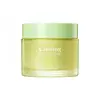
This calming moisturizer is formulated around Houttuynia Cordata Extract and Panthenol to calm redness and hydrate skin.

What's inside
What's inside
 Key Ingredients
Benefits
Concerns
Ingredients Side-by-side
Water
Skin ConditioningAlcohol Denat.
Antimicrobial




Glycerin
Humectant


Ceramide AP
Skin Conditioning



1,2-Hexanediol
Skin Conditioning
Betaine
Humectant
Propanediol
Solvent
Perilla Ocymoides Seed Extract
Antioxidant
Arctium Lappa Root Extract
Skin Conditioning
Piper Methysticum Leaf/Root/Stem Extract
Skin ConditioningSodium Hyaluronate
Humectant
Hydrogenated Lecithin
Emulsifying
Dimethyl Sulfone
SolventLysolecithin
EmulsifyingRaffinose
Skin ConditioningLecithin
Emollient
Methylpropanediol
SolventBeta-Glucan
Skin Conditioning
Butylene Glycol
Humectant
Acetyl Glutamine
Skin ConditioningAcrylates/C10-30 Alkyl Acrylate Crosspolymer
Emulsion StabilisingTromethamine
BufferingTrisodium EDTA
ChelatingCalendula Officinalis Flower
Skin Conditioning
Calendula Officinalis Flower Water
Masking
Polyglutamic Acid
Skin Conditioning
Hydrolyzed Hyaluronic Acid
Humectant
Water, Alcohol Denat., Glycerin, Ceramide AP, 1,2-Hexanediol, Betaine, Propanediol, Perilla Ocymoides Seed Extract, Arctium Lappa Root Extract, Piper Methysticum Leaf/Root/Stem Extract, Sodium Hyaluronate, Hydrogenated Lecithin, Dimethyl Sulfone, Lysolecithin, Raffinose, Lecithin, Methylpropanediol, Beta-Glucan, Butylene Glycol, Acetyl Glutamine, Acrylates/C10-30 Alkyl Acrylate Crosspolymer, Tromethamine, Trisodium EDTA, Calendula Officinalis Flower, Calendula Officinalis Flower Water, Polyglutamic Acid, Hydrolyzed Hyaluronic Acid
Houttuynia Cordata Extract
Skin Conditioning
Water
Skin ConditioningC13-16 Isoalkane
SolventBetaine
Humectant
Butylene Glycol
Humectant
C12-14 Isoparaffin
Solvent
Pentylene Glycol
Skin Conditioning
Glycerin
Humectant
Citrus Aurantium Dulcis Peel Oil
Masking

Melia Azadirachta Flower Extract
Skin ConditioningMelia Azadirachta Leaf Extract
Skin ConditioningCurcuma Longa Root Extract
Antioxidant
Ocimum Sanctum Leaf Extract
Skin ConditioningTheobroma Cacao Seed Extract
Antioxidant
Lavandula Angustifolia Oil
Masking
Ocimum Basilicum Oil
Masking
Corallina Officinalis Extract
Skin Conditioning
Centella Asiatica Leaf Extract
Skin Conditioning
Hydrogenated Polydecene
EmollientVinyldimethicone

Caprylyl Methicone
Skin Conditioning
Hydroxyethyl Acrylate/Sodium Acryloyldimethyl Taurate Copolymer
Emulsion StabilisingPanthenol
Skin Conditioning
Acrylates/C10-30 Alkyl Acrylate Crosspolymer
Emulsion StabilisingDimethicone/Vinyl Dimethicone Crosspolymer
Skin Conditioning
Dimethiconol
Emollient
Tromethamine
BufferingDipotassium Glycyrrhizate
Humectant
Glyceryl Acrylate/Acrylic Acid Copolymer
HumectantEthylhexylglycerin
Skin Conditioning1,2-Hexanediol
Skin Conditioning
Silica
Abrasive


Madecassoside
Antioxidant
Dextrin
AbsorbentAsiaticoside
Antioxidant
Tocopherol
Antioxidant


Xanthan Gum
EmulsifyingDisodium EDTA
ChelatingHouttuynia Cordata Extract, Water, C13-16 Isoalkane, Betaine, Butylene Glycol, C12-14 Isoparaffin, Pentylene Glycol, Glycerin, Citrus Aurantium Dulcis Peel Oil, Melia Azadirachta Flower Extract, Melia Azadirachta Leaf Extract, Curcuma Longa Root Extract, Ocimum Sanctum Leaf Extract, Theobroma Cacao Seed Extract, Lavandula Angustifolia Oil, Ocimum Basilicum Oil, Corallina Officinalis Extract, Centella Asiatica Leaf Extract, Hydrogenated Polydecene, Vinyldimethicone, Caprylyl Methicone, Hydroxyethyl Acrylate/Sodium Acryloyldimethyl Taurate Copolymer, Panthenol, Acrylates/C10-30 Alkyl Acrylate Crosspolymer, Dimethicone/Vinyl Dimethicone Crosspolymer, Dimethiconol, Tromethamine, Dipotassium Glycyrrhizate, Glyceryl Acrylate/Acrylic Acid Copolymer, Ethylhexylglycerin, 1,2-Hexanediol, Silica, Madecassoside, Dextrin, Asiaticoside, Tocopherol, Xanthan Gum, Disodium EDTA
Reviews
Ingredients Explained
These ingredients are found in both products.
Ingredients higher up in an ingredient list are typically present in a larger amount.
1,2-Hexanediol is a synthetic liquid and another multi-functional powerhouse.
It is a:
- Humectant, drawing moisture into the skin
- Emollient, helping to soften skin
- Solvent, dispersing and stabilizing formulas
- Preservative booster, enhancing the antimicrobial activity of other preservatives
Acrylates/C10-30 Alkyl Acrylate Crosspolymer is a synthetic polymer. It is used to thicken, emulsify, and improve the texture of products.
As an emulsifier, it helps stabilize oil-in-water emulsions to give products an elegant feel when applied.
It can also form a thin protective film on skin. One study found that a formula using this polymer helped slow down how quickly other ingredients (like DEET) were absorbed through skin.
A 2024 study of over 1,300 patients confirmed that sensitization to this ingredient is rare. It is also non-mutagenic and has a clean track record.
Learn more about Acrylates/C10-30 Alkyl Acrylate CrosspolymerBetaine is a humectant. Like hyaluronic acid, it helps attract and retain moisture in the skin. It’s known for being gentle and for helping the skin maintain balanced hydration.
Betaine is mainly used to improve hydration and support calmer skin. It helps skin cells regulate water balance because it functions as an osmolyte.
Some studies suggest betaine may support making skin tone more even.
Fun fact: Betaine naturally exists in the skin and the body. In cosmetic products, it can be either plant-derived (most commonly from sugar beets) or synthetically produced for consistency and stability.
Betaine is also known as trimethylglycine.
Learn more about BetaineButylene Glycol (or BG) is used within cosmetic products for a few different reasons:
Overall, Butylene Glycol is a safe and well-rounded ingredient that works well with other ingredients.
Though this ingredient works well with most skin types, some people with sensitive skin may experience a reaction such as allergic rashes, closed comedones, or itchiness.
Learn more about Butylene GlycolGlycerin (or glycerol) is a compound naturally found in your skin. It's a powerhouse humectant that pulls water into the stratum corneum.
Topically, glycerin does several things at once:
Your skin makes glycerin on its own (mostly from sebaceous oil breakdown) and shuttles it to your outermost layer of skin, or your epidermis, via aquaporin-3.
Aquaporin-3 is a transporter that is essential for normal skin hydration, elasticity, and repair. Interestingly, mice lacking in AQP3 have dry and less elastic skin that can be fully corrected with glycerin.
This ingredient is non-irritating, plays well with almost every ingredient, and works across all skin types. Typical use is anywhere between 3-10% but can go up to 79% in some leave-on products.
Just know very high concentrations (>40%) can feel tacky in low humidity.
Glycerin is the name for this ingredient in American English. British English uses Glycerol/Glycerine.
Learn more about GlycerinTromethamine (aka THAM) is a synthetic amino acid that shows up in skincare as a helper ingredient.
It functions as a pH adjuster to help neutralize acidic ingredients and set a formula's pH to the right spot.
This matters a lot because a lot of actives (like vitamin C) needs a specific pH to work well and feel comfortable on skin.
Concentration use ranges from 0.1-1.0% depending on the formula.
Learn more about TromethamineWater. It's the most common cosmetic ingredient of all. You'll usually see it at the top of ingredient lists, meaning that it makes up the largest part of the product.
So why is it so popular? Water most often acts as a solvent - this means that it helps dissolve other ingredients into the formulation.
You'll also recognize water as that liquid we all need to stay alive. If you see this, drink a glass of water. Remember to stay hydrated!
Learn more about Water

