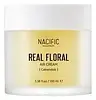
This moisturizer is formulated around Ceramide AP and Beta-Glucan to hydrate skin.
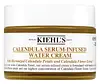
This calming moisturizer is formulated around Panthenol and Calendula Officinalis Flower Extract to calm redness and hydrate skin.


What's inside
What's inside
 Key Ingredients
Benefits
Concerns
Ingredients Side-by-side
Water
Skin ConditioningAlcohol Denat.
Antimicrobial




Glycerin
Humectant


Ceramide AP
Skin Conditioning



1,2-Hexanediol
Skin Conditioning
Betaine
Humectant
Propanediol
Solvent
Perilla Ocymoides Seed Extract
Antioxidant
Arctium Lappa Root Extract
Skin Conditioning
Piper Methysticum Leaf/Root/Stem Extract
Skin ConditioningSodium Hyaluronate
Humectant
Hydrogenated Lecithin
Emulsifying
Dimethyl Sulfone
SolventLysolecithin
EmulsifyingRaffinose
Skin ConditioningLecithin
Emollient
Methylpropanediol
SolventBeta-Glucan
Skin Conditioning
Butylene Glycol
Humectant
Acetyl Glutamine
Skin ConditioningAcrylates/C10-30 Alkyl Acrylate Crosspolymer
Emulsion StabilisingTromethamine
BufferingTrisodium EDTA
ChelatingCalendula Officinalis Flower
Skin Conditioning
Calendula Officinalis Flower Water
Masking
Polyglutamic Acid
Skin Conditioning
Hydrolyzed Hyaluronic Acid
Humectant
Water, Alcohol Denat., Glycerin, Ceramide AP, 1,2-Hexanediol, Betaine, Propanediol, Perilla Ocymoides Seed Extract, Arctium Lappa Root Extract, Piper Methysticum Leaf/Root/Stem Extract, Sodium Hyaluronate, Hydrogenated Lecithin, Dimethyl Sulfone, Lysolecithin, Raffinose, Lecithin, Methylpropanediol, Beta-Glucan, Butylene Glycol, Acetyl Glutamine, Acrylates/C10-30 Alkyl Acrylate Crosspolymer, Tromethamine, Trisodium EDTA, Calendula Officinalis Flower, Calendula Officinalis Flower Water, Polyglutamic Acid, Hydrolyzed Hyaluronic Acid
Water
Skin ConditioningDimethicone
Emollient
Glycerin
Humectant
Propylene Glycol
Humectant
Propanediol
Solvent
Panthenol
Skin Conditioning
Dimethicone/PEG-10/15 Crosspolymer
Bisabolol
Antioxidant
Diisopropyl Sebacate
EmollientSodium Chloride
MaskingPhenoxyethanol
Preservative
Polymethylsilsesquioxane
Chlorphenesin
Antimicrobial
Citrus Limon Peel Oil
Masking


Sodium Citrate
BufferingCalendula Officinalis Flower Extract
Masking
Limonene
Perfuming
PEG-10 Dimethicone
Skin Conditioning
Trisodium Ethylenediamine Disuccinate
ChelatingCalendula Officinalis Flower
Skin Conditioning
Citric Acid
Buffering

Dipropylene Glycol
HumectantGeranium Maculatum Oil
Masking
Chamomilla Recutita Flower Oil
Masking
Citral
Perfuming
Citronellol
Perfuming
Geraniol
Perfuming
Farnesol
Perfuming
Linalool
Perfuming
Tocopherol
Antioxidant

Cymbopogon Schoenanthus Oil
Masking
Artemisia Absinthium Extract
Skin ConditioningWater, Dimethicone, Glycerin, Propylene Glycol, Propanediol, Panthenol, Dimethicone/PEG-10/15 Crosspolymer, Bisabolol, Diisopropyl Sebacate, Sodium Chloride, Phenoxyethanol, Polymethylsilsesquioxane, Chlorphenesin, Citrus Limon Peel Oil, Sodium Citrate, Calendula Officinalis Flower Extract, Limonene, PEG-10 Dimethicone, Trisodium Ethylenediamine Disuccinate, Calendula Officinalis Flower, Citric Acid, Dipropylene Glycol, Geranium Maculatum Oil, Chamomilla Recutita Flower Oil, Citral, Citronellol, Geraniol, Farnesol, Linalool, Tocopherol, Cymbopogon Schoenanthus Oil, Artemisia Absinthium Extract
Reviews
Ingredients Explained
These ingredients are found in both products.
Ingredients higher up in an ingredient list are typically present in a larger amount.
Calendula Officinalis Floweris also know as the common Marigold plant. Marigolds contain flavonoids.
Flavonoids are a group of substances found naturally in plants. They possess antioxidant and inflammation properties.
Antioxidants help fight free-radical molecules. Free-radical molecules are capable of damaging our cells and other genetic material. Antioxidants help stabilize free-radicals by donating extra electrons. This may help reduce the signs of aging.
Calendula Officinalis Flowers may help soothe your skin by reducing inflammation. Emerging studies show it inhibits NO production safely, therefore reducing inflammation.
Marigolds have been used in traditional medicine throughout Asia and Europe.
Learn more about Calendula Officinalis FlowerGlycerin (or glycerol) is a compound naturally found in your skin. It's a powerhouse humectant that pulls water into the stratum corneum.
Topically, glycerin does several things at once:
Your skin makes glycerin on its own (mostly from sebaceous oil breakdown) and shuttles it to your outermost layer of skin, or your epidermis, via aquaporin-3.
Aquaporin-3 is a transporter that is essential for normal skin hydration, elasticity, and repair. Interestingly, mice lacking in AQP3 have dry and less elastic skin that can be fully corrected with glycerin.
This ingredient is non-irritating, plays well with almost every ingredient, and works across all skin types. Typical use is anywhere between 3-10% but can go up to 79% in some leave-on products.
Just know very high concentrations (>40%) can feel tacky in low humidity.
Glycerin is the name for this ingredient in American English. British English uses Glycerol/Glycerine.
Learn more about GlycerinPropanediol is an all-star ingredient. It softens, hydrates, and smooths the skin.
It’s often used to:
Propanediol is not likely to cause sensitivity and considered safe to use. It is derived from corn or petroleum with a clear color and no scent.
Learn more about PropanediolWater. It's the most common cosmetic ingredient of all. You'll usually see it at the top of ingredient lists, meaning that it makes up the largest part of the product.
So why is it so popular? Water most often acts as a solvent - this means that it helps dissolve other ingredients into the formulation.
You'll also recognize water as that liquid we all need to stay alive. If you see this, drink a glass of water. Remember to stay hydrated!
Learn more about Water

