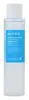
This barrier-repair essence is formulated around Niacinamide to strengthen the skin barrier.
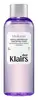
This hydrating toner is formulated around Glycyrrhiza Glabra Root Extract and Centella Asiatica Extract to hydrate skin and calm redness.

What's inside
What's inside
 Key Ingredients
Benefits
Concerns
Ingredients Side-by-side
Water
Skin ConditioningButylene Glycol
Humectant

Glycerin
Humectant
Niacinamide
Smoothing









Glycereth-26
Humectant
Bis-PEG-18 Methyl Ether Dimethyl Silane
EmollientAlgae Extract
Emollient

Isomalt
HumectantLecithin
Emollient
Lactic Acid
Buffering


Sodium Benzoate
Masking
Caprylic/Capric Triglyceride
Masking
Salicornia Herbacea Extract
Skin ConditioningSodium Carrageenan
Emulsion StabilisingMaris Sal
Skin ConditioningMoringa Oleifera Seed Extract
Skin Conditioning
PEG-60 Hydrogenated Castor Oil
Emulsifying

Caprylyl Glycol
Emollient
Triethanolamine
BufferingAcrylates/C10-30 Alkyl Acrylate Crosspolymer
Emulsion StabilisingTropolone
Skin ConditioningHelianthus Annuus Seed Oil
Emollient
Citrus Aurantium Bergamia Fruit Oil
Masking

Pelargonium Graveolens Flower Oil
Masking
Rosa Damascena Flower Oil
Masking
Adenosine
Skin Conditioning
Panthenol
Skin Conditioning
Paeonia Lactiflora Root Extract
Skin ConditioningConvallaria Majalis Bulb/Root Extract
Skin ConditioningMagnolia Liliflora Flower Extract
Skin ConditioningLilium Candidum Flower Extract
Skin ConditioningLeontopodium Alpinum Flower/Leaf Extract
Skin ConditioningDisodium EDTA
ChelatingWater, Butylene Glycol, Glycerin, Niacinamide, Glycereth-26, Bis-PEG-18 Methyl Ether Dimethyl Silane, Algae Extract, Isomalt, Lecithin, Lactic Acid, Sodium Benzoate, Caprylic/Capric Triglyceride, Salicornia Herbacea Extract, Sodium Carrageenan, Maris Sal, Moringa Oleifera Seed Extract, PEG-60 Hydrogenated Castor Oil, Caprylyl Glycol, Triethanolamine, Acrylates/C10-30 Alkyl Acrylate Crosspolymer, Tropolone, Helianthus Annuus Seed Oil, Citrus Aurantium Bergamia Fruit Oil, Pelargonium Graveolens Flower Oil, Rosa Damascena Flower Oil, Adenosine, Panthenol, Paeonia Lactiflora Root Extract, Convallaria Majalis Bulb/Root Extract, Magnolia Liliflora Flower Extract, Lilium Candidum Flower Extract, Leontopodium Alpinum Flower/Leaf Extract, Disodium EDTA
Water
Skin ConditioningButylene Glycol
Humectant
Dimethyl Sulfone
SolventBetaine
Humectant
Caprylic/Capric Triglyceride
Masking
Disodium EDTA
ChelatingGlycyrrhiza Glabra Root Extract
Bleaching
Centella Asiatica Extract
Cleansing
Chlorphenesin
Antimicrobial
Tocopheryl Acetate
Antioxidant

Glycerin
Humectant
Arginine
Masking
Carbomer
Emulsion StabilisingPanthenol
Skin Conditioning
Luffa Cylindrica Fruit/Leaf/Stem Extract
Skin Conditioning1,2-Hexanediol
Skin Conditioning
Hydroxyethylcellulose
Emulsion StabilisingAloe Barbadensis Leaf Extract
Emollient
Althaea Rosea Flower Extract
Skin ConditioningPortulaca Oleracea Extract
Skin Conditioning
Polyquaternium-51
Skin Conditioning
Beta-Glucan
Skin Conditioning
Lysine Hcl
Skin Conditioning
Sodium Ascorbyl Phosphate
Antioxidant
Sodium Hyaluronate
Humectant
Acetyl Methionine
Skin Conditioning
Theanine
EmollientProline
Skin Conditioning
Natto Gum
Disodium Phosphate
BufferingPolysorbate 60
Emulsifying
Sodium Phosphate
BufferingCopper Tripeptide-1
Skin Conditioning
Water, Butylene Glycol, Dimethyl Sulfone, Betaine, Caprylic/Capric Triglyceride, Disodium EDTA, Glycyrrhiza Glabra Root Extract, Centella Asiatica Extract, Chlorphenesin, Tocopheryl Acetate, Glycerin, Arginine, Carbomer, Panthenol, Luffa Cylindrica Fruit/Leaf/Stem Extract, 1,2-Hexanediol, Hydroxyethylcellulose, Aloe Barbadensis Leaf Extract, Althaea Rosea Flower Extract, Portulaca Oleracea Extract, Polyquaternium-51, Beta-Glucan, Lysine Hcl, Sodium Ascorbyl Phosphate, Sodium Hyaluronate, Acetyl Methionine, Theanine, Proline, Natto Gum, Disodium Phosphate, Polysorbate 60, Sodium Phosphate, Copper Tripeptide-1
Reviews
Ingredients Explained
These ingredients are found in both products.
Ingredients higher up in an ingredient list are typically present in a larger amount.
Butylene Glycol (or BG) is used within cosmetic products for a few different reasons:
Overall, Butylene Glycol is a safe and well-rounded ingredient that works well with other ingredients.
Though this ingredient works well with most skin types, some people with sensitive skin may experience a reaction such as allergic rashes, closed comedones, or itchiness.
Learn more about Butylene GlycolCaprylic/Capric Triglyceride (aka MCT Oil) is a lightweight emollient, solvent, and texture enhancer. It is considered a skin-softener by helping to prevent moisture loss.
Though it behaves like an oil, it is not technically one due to its chemical composition. One perk of this ingredient is that it is very stable, resistant to oxidation, and unlikely to go rancid.
In practice, that translates to a long shelf life and a consistently elegant skin feel.
While there is an assumption Caprylic Triglyceride can clog pores due to it being derived from coconut oil, there is no research supporting this. Just patch test if you have concerns.
Fractionated coconut oil and MCT Oil are both listed as Caprylic/Capric Triglyceride according to INCI. This is because INCI names are based on the ingredient’s final chemical composition and not its marketing name or source.
This ingredient is treated as the gold standard fungal acne safe oil. Even though it is coconut derived, the problematic lauric acid is stripped out.
This leaves just caprylic (C8) and capric (C10) acid. These chain lengths actually trend antifungal; a 2020 study found caprylic acid was enough to disrupt Malassezia furfur cell membrane, with a caprylic acid derivative damaging membrane structures at concentrations as low as 0.2%.
Learn more about Caprylic/Capric TriglycerideDisodium EDTA is a chelating agent. It grabs onto and deactivates metal ions that sneak into your products from water, packaging, or air.
This ingredient mainly works behind the scenes and helps with:
On top of that, this ingredient can counteract the effects of hard water by binding to the minerals in it.
One thing worth knowing is that Disodium EDTA has been shown to be a mild penetration enhancer. It can help other ingredients absorb into skin more effectively which can be a double-edged sword (great for actives, but can also make the active too strong if you have sensitive skin).
Clinical patch testing showed no significant skin irritation at typical use concentrations and minimal dermal absorption.
You'll most likely see this ingredient near the end of an ingredient list. It's typically found in concentrations less than 1%.
Learn more about Disodium EDTAGlycerin (or glycerol) is a compound naturally found in your skin. It's a powerhouse humectant that pulls water into the stratum corneum.
Topically, glycerin does several things at once:
Your skin makes glycerin on its own (mostly from sebaceous oil breakdown) and shuttles it to your outermost layer of skin, or your epidermis, via aquaporin-3.
Aquaporin-3 is a transporter that is essential for normal skin hydration, elasticity, and repair. Interestingly, mice lacking in AQP3 have dry and less elastic skin that can be fully corrected with glycerin.
This ingredient is non-irritating, plays well with almost every ingredient, and works across all skin types. Typical use is anywhere between 3-10% but can go up to 79% in some leave-on products.
Just know very high concentrations (>40%) can feel tacky in low humidity.
Glycerin is the name for this ingredient in American English. British English uses Glycerol/Glycerine.
Learn more about GlycerinPanthenol is a common ingredient that helps hydrate and soothe the skin. It is found naturally in our skin and hair.
There are two forms of panthenol: D and L.
D-panthenol is also known as dexpanthenol. Most cosmetics use dexpanthenol or a mixture of D and L-panthenol.
Panthenol is famous due to its ability to go deeper into the skin's layers. Using this ingredient has numerous pros (and no cons):
Like hyaluronic acid, panthenol is a humectant. Humectants are able to bind and hold large amounts of water to keep skin hydrated.
This ingredient works well for wound healing. It works by increasing tissue in the wound and helps close open wounds.
Once oxidized, panthenol converts to pantothenic acid. Panthothenic acid is found in all living cells.
This ingredient is also referred to as pro-vitamin B5.
Learn more about PanthenolWater. It's the most common cosmetic ingredient of all. You'll usually see it at the top of ingredient lists, meaning that it makes up the largest part of the product.
So why is it so popular? Water most often acts as a solvent - this means that it helps dissolve other ingredients into the formulation.
You'll also recognize water as that liquid we all need to stay alive. If you see this, drink a glass of water. Remember to stay hydrated!
Learn more about Water

