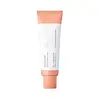
This anti-aging moisturizer is formulated around Niacinamide and Sodium DNA to soften the look of wrinkles and strengthen the skin barrier.
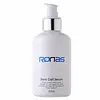
This barrier-repair serum is formulated around Panthenol and Ceramide NP to strengthen the skin barrier and hydrate skin.

What's inside
What's inside
 Key Ingredients
Benefits
Concerns
Ingredients Side-by-side
Water
Skin ConditioningGlycerin
Humectant


Niacinamide
Smoothing









1,2-Hexanediol
Skin Conditioning
Ammonium Acryloyldimethyltaurate/Vp Copolymer
Glyceryl Acrylate/Acrylic Acid Copolymer
HumectantBetaine
Humectant
Sodium Polyacryloyldimethyl Taurate
Emulsion StabilisingMelia Azadirachta Leaf Extract
Skin ConditioningEthylhexylglycerin
Skin ConditioningMelia Azadirachta Flower Extract
Skin ConditioningAdenosine
Skin Conditioning
Curcuma Longa Root Extract
Antioxidant

Sodium Phytate
ChelatingOcimum Sanctum Leaf Extract
Skin ConditioningCyanocobalamin
Skin ConditioningCorallina Officinalis Extract
Skin Conditioning

Hydrolyzed Hyaluronic Acid
Humectant
Saccharomyces/Rice Ferment Filtrate
Skin Conditioning

Pentylene Glycol
Skin Conditioning
Butylene Glycol
Humectant
Sodium DNA
Skin Conditioning
Collagen Extract
Skin Conditioning
Copper Tripeptide-1
Skin Conditioning
Water, Glycerin, Niacinamide, 1,2-Hexanediol, Ammonium Acryloyldimethyltaurate/Vp Copolymer, Glyceryl Acrylate/Acrylic Acid Copolymer, Betaine, Sodium Polyacryloyldimethyl Taurate, Melia Azadirachta Leaf Extract, Ethylhexylglycerin, Melia Azadirachta Flower Extract, Adenosine, Curcuma Longa Root Extract, Sodium Phytate, Ocimum Sanctum Leaf Extract, Cyanocobalamin, Corallina Officinalis Extract, Hydrolyzed Hyaluronic Acid, Saccharomyces/Rice Ferment Filtrate, Pentylene Glycol, Butylene Glycol, Sodium DNA, Collagen Extract, Copper Tripeptide-1
Water
Skin ConditioningButylene Glycol
Humectant
Glycerin
Humectant
Paraffinum Liquidum
Emollient


Cetearyl Alcohol
Emollient

Cetyl Ethylhexanoate
EmollientCyclohexasiloxane
Emollient
Cyclopentasiloxane
Emollient
Polysorbate 80
Emulsifying
Caprylic/Capric Triglyceride
Masking
Dimethicone
Emollient
Propanediol
Solvent
Sorbitan Sesquioleate
Emulsifying
Sodium Acrylate/Sodium Acryloyldimethyl Taurate Copolymer
Emulsion StabilisingIsohexadecane
EmollientPhenoxyethanol
Preservative
Methylparaben
Preservative

Panthenol
Skin Conditioning
Propylparaben
Preservative
Xanthan Gum
EmulsifyingParfum
Masking
Camellia Sinensis Callus Culture Extract
Perfuming
Dipotassium Glycyrrhizate
Humectant
Sorbitan Oleate
Emulsifying
Disodium EDTA
ChelatingSodium Hyaluronate
Humectant
Hydrolyzed Pea Protein
EmollientPhytosterols
Skin Conditioning
Lecithin
Emollient
Squalane
Emollient
Olea Europaea Fruit Oil
Masking
Usnea Barbata Extract
Zanthoxylum Piperitum Fruit Extract
Skin ConditioningPulsatilla Koreana Extract
Skin ConditioningCeramide NP
Skin Conditioning
Butyrospermum Parkii Butter
Skin Conditioning
Water, Butylene Glycol, Glycerin, Paraffinum Liquidum, Cetearyl Alcohol, Cetyl Ethylhexanoate, Cyclohexasiloxane, Cyclopentasiloxane, Polysorbate 80, Caprylic/Capric Triglyceride, Dimethicone, Propanediol, Sorbitan Sesquioleate, Sodium Acrylate/Sodium Acryloyldimethyl Taurate Copolymer, Isohexadecane, Phenoxyethanol, Methylparaben, Panthenol, Propylparaben, Xanthan Gum, Parfum, Camellia Sinensis Callus Culture Extract, Dipotassium Glycyrrhizate, Sorbitan Oleate, Disodium EDTA, Sodium Hyaluronate, Hydrolyzed Pea Protein, Phytosterols, Lecithin, Squalane, Olea Europaea Fruit Oil, Usnea Barbata Extract, Zanthoxylum Piperitum Fruit Extract, Pulsatilla Koreana Extract, Ceramide NP, Butyrospermum Parkii Butter
Reviews
Ingredients Explained
These ingredients are found in both products.
Ingredients higher up in an ingredient list are typically present in a larger amount.
Butylene Glycol (or BG) is used within cosmetic products for a few different reasons:
Overall, Butylene Glycol is a safe and well-rounded ingredient that works well with other ingredients.
Though this ingredient works well with most skin types, some people with sensitive skin may experience a reaction such as allergic rashes, closed comedones, or itchiness.
Learn more about Butylene GlycolGlycerin (or glycerol) is a compound naturally found in your skin. It's a powerhouse humectant that pulls water into the stratum corneum.
Topically, glycerin does several things at once:
Your skin makes glycerin on its own (mostly from sebaceous oil breakdown) and shuttles it to your outermost layer of skin, or your epidermis, via aquaporin-3.
Aquaporin-3 is a transporter that is essential for normal skin hydration, elasticity, and repair. Interestingly, mice lacking in AQP3 have dry and less elastic skin that can be fully corrected with glycerin.
This ingredient is non-irritating, plays well with almost every ingredient, and works across all skin types. Typical use is anywhere between 3-10% but can go up to 79% in some leave-on products.
Just know very high concentrations (>40%) can feel tacky in low humidity.
Glycerin is the name for this ingredient in American English. British English uses Glycerol/Glycerine.
Learn more about GlycerinWater. It's the most common cosmetic ingredient of all. You'll usually see it at the top of ingredient lists, meaning that it makes up the largest part of the product.
So why is it so popular? Water most often acts as a solvent - this means that it helps dissolve other ingredients into the formulation.
You'll also recognize water as that liquid we all need to stay alive. If you see this, drink a glass of water. Remember to stay hydrated!
Learn more about Water

