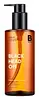
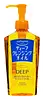
This oil-based makeup remover is made to dissolve makeup, sunscreen, and daily buildup.
This oil-based makeup remover is made to dissolve makeup, sunscreen, and daily buildup.


What's inside
What's inside
 Key Ingredients
Benefits
Concerns
Ingredients Side-by-side
Glycine Soja Oil
Emollient








Triethylhexanoin
MaskingEthylhexyl Palmitate
Emollient
PEG-20 Glyceryl Triisostearate
Emollient
Isopropyl Myristate
Emollient
Isohexadecane
EmollientEthylhexyl Stearate
Emollient
Polyisobutene
Dicaprylyl Ether
Emollient
Isononyl Isononanoate
EmollientCaprylic/Capric Triglyceride
Masking

1,2-Hexanediol
Skin Conditioning
Citrus Limon Peel Oil
Masking



Citrus Aurantium Dulcis Oil
Masking
Citrus Limon Fruit Oil
Astringent
Cymbopogon Schoenanthus Oil
Masking
Geranium Maculatum Oil
Masking
Pentaerythrityl Tetra-Di-T-Butyl Hydroxyhydrocinnamate
Antioxidant
Cymbopogon Nardus Oil
Masking
Citrus Reticulata Leaf Oil
Masking
Prunus Armeniaca Kernel Oil
Masking
Vetiveria Zizanoides Root Oil
Masking
Melaleuca Alternifolia Leaf Oil
Antioxidant

Moringa Oleifera Seed Oil
Emollient
Water
Skin ConditioningButylene Glycol
Humectant
Centella Asiatica Extract
Cleansing



Houttuynia Cordata Extract
Skin Conditioning
Pentylene Glycol
Skin Conditioning
Ethylhexylglycerin
Skin ConditioningTocopherol
Antioxidant

Limonene
Perfuming
Citral
Perfuming
Glycine Soja Oil, Triethylhexanoin, Ethylhexyl Palmitate, PEG-20 Glyceryl Triisostearate, Isopropyl Myristate, Isohexadecane, Ethylhexyl Stearate, Polyisobutene, Dicaprylyl Ether, Isononyl Isononanoate, Caprylic/Capric Triglyceride, 1,2-Hexanediol, Citrus Limon Peel Oil, Citrus Aurantium Dulcis Oil, Citrus Limon Fruit Oil, Cymbopogon Schoenanthus Oil, Geranium Maculatum Oil, Pentaerythrityl Tetra-Di-T-Butyl Hydroxyhydrocinnamate, Cymbopogon Nardus Oil, Citrus Reticulata Leaf Oil, Prunus Armeniaca Kernel Oil, Vetiveria Zizanoides Root Oil, Melaleuca Alternifolia Leaf Oil, Moringa Oleifera Seed Oil, Water, Butylene Glycol, Centella Asiatica Extract, Houttuynia Cordata Extract, Pentylene Glycol, Ethylhexylglycerin, Tocopherol, Limonene, Citral
Paraffinum Liquidum
Emollient
Oryza Sativa Bran Oil
Emollient
Sorbeth-30 Tetraoleate
Emulsifying
Cyclomethicone
Emollient
Olea Europaea Fruit Oil
Masking
Citrus Aurantium Dulcis Oil
Masking
Sesamum Indicum Seed Oil
Emollient
Carthamus Tinctorius Seed Oil
Masking
Butyrospermum Parkii Butter
Skin Conditioning
Tocopherol
Antioxidant
Adansonia Digitata Seed Oil
Emollient
Ascorbyl Palmitate
Antioxidant
Vitis Vinifera Seed Oil
Emollient
Simmondsia Chinensis Seed Oil
Emollient
BHT
Antioxidant
Cetyl Ethylhexanoate
EmollientGlycerin
Humectant
Bis-Ethoxydiglycol Cyclohexane 1,4-Dicarboxylate
EmollientPropylene Glycol Dicaprate
EmollientSqualane
Emollient
Zea Mays Oil
Emulsifying
Trilaureth-4 Phosphate
EmulsifyingIsopropyl Myristate
Emollient
Water
Skin ConditioningPhenoxyethanol
Preservative
Paraffinum Liquidum, Oryza Sativa Bran Oil, Sorbeth-30 Tetraoleate, Cyclomethicone, Olea Europaea Fruit Oil, Citrus Aurantium Dulcis Oil, Sesamum Indicum Seed Oil, Carthamus Tinctorius Seed Oil, Butyrospermum Parkii Butter, Tocopherol, Adansonia Digitata Seed Oil, Ascorbyl Palmitate, Vitis Vinifera Seed Oil, Simmondsia Chinensis Seed Oil, BHT, Cetyl Ethylhexanoate, Glycerin, Bis-Ethoxydiglycol Cyclohexane 1,4-Dicarboxylate, Propylene Glycol Dicaprate, Squalane, Zea Mays Oil, Trilaureth-4 Phosphate, Isopropyl Myristate, Water, Phenoxyethanol
Reviews
Ingredients Explained
These ingredients are found in both products.
Ingredients higher up in an ingredient list are typically present in a larger amount.
Citrus Aurantium Dulcis Oil comes from the bitter orange, an orange native to Southeast Asia.
This orange is commonly used in cosmetics and food. It is a common ingredient for marmalade.
Citrus peels are often made up of mainly limonene, a fragrance with a citrus scent. They also contain flavonoids, which have anti-inflammatory properties.
Learn more about Citrus Aurantium Dulcis OilIsopropyl Myristate is an ester made by combining isopropyl alcohol with myristic acid.
It is primarily an emollient and penetration enhancer that gives products a lightweight, silky feel without the heaviness of oils.
This ingredient is generally considered non-toxic, non-irritating, and has low absorption potential.
You might have heard that this ingredient clogs pores. This reputation comes from the older rabbit ear studies which are more sensitive than human skin to clogging.
Dermatologist Dr. Zoe Draelos has also confirmed in a peer-reviewed paper that products containing comedogenic ingredients are not necessarily comedogenic themselves.
A small subset of people (~2%) may experience contact sensitivity so patch testing is a reasonable idea if you have reactive skin.
Since this ingredient is an ester of myristic acid (a C14 fatty acid), it falls within the carbon chain range that is known to feed Malassezia. This ingredient may not be fungal acne safe.
Learn more about Isopropyl MyristateTocopherol is a fat-soluble antioxidant known as Vitamin E.
You'll find this ingredient in the vast majority of skincare (for good reason). It works to neutralize free radicals, or unstable molecules generated by UV exposure, pollution, and other environmental stressors, before they can cause oxidative damage to your skin cells.
Topically applied tocopherol has been shown to protect against UV damage by ramping up the skin's own natural defense enzymes.
It also acts as a skin conditioning agent; some studies show that regular topical use can improve the skin's water-binding capacity over 2-4 weeks.
This ingredient is especially loved for being a team player. When combined with Vitamin C, the photoprotective effect of both ingredients roughly doubles and the combo also helps reduce UV-induced DNA damage.
This ingredient has some brightening potential but it's more of a prevention ingredient than spot-fader. Cell studies show it can slow down melanin production but it's worth noting that it's not the most powerful brightener out there.
In formulations, it also serves as a stabilizer that helps protect other oxidation-prone ingredients from degrading.
Concentrations usually range from 0.1-1% in most leave-on products.
Learn more about TocopherolWater. It's the most common cosmetic ingredient of all. You'll usually see it at the top of ingredient lists, meaning that it makes up the largest part of the product.
So why is it so popular? Water most often acts as a solvent - this means that it helps dissolve other ingredients into the formulation.
You'll also recognize water as that liquid we all need to stay alive. If you see this, drink a glass of water. Remember to stay hydrated!
Learn more about Water

