
What's inside
What's inside
 Key Ingredients
Benefits
Concerns
Ingredients Side-by-side
Water
Skin ConditioningBehentrimonium Methosulfate
Surfactant
Cetearyl Alcohol
Emollient






Aloe Barbadensis Leaf Juice
Skin Conditioning


Prunus Amygdalus Dulcis Oil
Skin Conditioning
Helianthus Annuus Seed Oil
Emollient
Olea Europaea Fruit Oil
Masking
Copernicia Cerifera Wax
Polysorbate 20
Emulsifying
Macadamia Integrifolia Seed Oil
Skin Conditioning
Glyceryl Stearate
Emollient
Butyrospermum Parkii Butter
Skin Conditioning
Tocopheryl Acetate
Antioxidant


Orbignya Oleifera Seed Oil
Emollient
Zingiber Officinale Root Oil
Masking

Cocos Nucifera Oil
Masking
Panthenol
Skin Conditioning
Phytantriol
HumectantMentha Piperita Oil
Masking

Rosmarinus Officinalis Leaf Oil
Masking
Simmondsia Chinensis Seed Oil
Emollient
Ricinus Communis Seed Oil
Masking
Equisetum Arvense Extract
AstringentLawsonia Inermis Extract
Antimicrobial
Rosmarinus Officinalis Extract
AntimicrobialAnthemis Nobilis Flower Extract
Masking
Symphytum Officinale Callus Culture Extract
Skin ConditioningHumulus Lupulus Extract
AntimicrobialUrtica Dioica Extract
AstringentHoney
Humectant
Biotin
AntiseborrhoeicCetrimonium Chloride
Antimicrobial
Sesamum Indicum Seed Oil
Emollient
Phenoxyethanol
Preservative
Benzoic Acid
Masking
Ethylhexylglycerin
Skin ConditioningGlycereth-2 Cocoate
Emulsifying
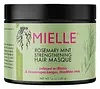
Water, Behentrimonium Methosulfate, Cetearyl Alcohol, Aloe Barbadensis Leaf Juice, Prunus Amygdalus Dulcis Oil, Helianthus Annuus Seed Oil, Olea Europaea Fruit Oil, Copernicia Cerifera Wax, Polysorbate 20, Macadamia Integrifolia Seed Oil, Glyceryl Stearate, Butyrospermum Parkii Butter, Tocopheryl Acetate, Orbignya Oleifera Seed Oil, Zingiber Officinale Root Oil, Cocos Nucifera Oil, Panthenol, Phytantriol, Mentha Piperita Oil, Rosmarinus Officinalis Leaf Oil, Simmondsia Chinensis Seed Oil, Ricinus Communis Seed Oil, Equisetum Arvense Extract, Lawsonia Inermis Extract, Rosmarinus Officinalis Extract, Anthemis Nobilis Flower Extract, Symphytum Officinale Callus Culture Extract, Humulus Lupulus Extract, Urtica Dioica Extract, Honey, Biotin, Cetrimonium Chloride, Sesamum Indicum Seed Oil, Phenoxyethanol, Benzoic Acid, Ethylhexylglycerin, Glycereth-2 Cocoate
Water
Skin ConditioningCetearyl Alcohol
Emollient
Cetrimonium Chloride
Antimicrobial
Ananas Sativus Fruit Extract
Skin ConditioningPsidium Guajava Fruit Extract
AstringentCocos Nucifera Fruit Extract
Emollient
Musa Sapientum Fruit Extract
Skin ConditioningHydrolyzed Pea Protein
EmollientPseudozyma Epicola/Argania Spinosa Kernel Oil/Camellia Japonica Seed Oil/Camellia Sinensis Seed Oil/Sunflower Seed Oil/Sweet Almond Oil Ferment Extract
Ficus Carica Fruit Extract
Humectant
Nephelium Lappaceum Branch/Fruit/Leaf Extract
Skin ConditioningHydrolyzed Rice Protein
Skin ConditioningPersea Gratissima Oil
Skin Conditioning
Hydrolyzed Hyaluronic Acid
Humectant

Hydrolyzed Hemp Seed Extract
Skin ConditioningSodium Hyaluronate
Humectant
Behentrimonium Chloride
Preservative
Ethylhexyl Palmitate
Emollient
Guar Hydroxypropyltrimonium Chloride
Skin ConditioningGlyceryl Stearate
Emollient
Dipalmitoylethyl Hydroxyethylmonium Methosulfate
Potassium Sorbate
Preservative
Behenyl/Stearyl Aminopropanediol Esters
Propylene Glycol
Humectant
Quaternium-80
Glycerin
Humectant
Citric Acid
Buffering
Tocopherol
Antioxidant
Parfum
Masking
CI 17200
Cosmetic ColorantCI 19140
Cosmetic ColorantBenzyl Alcohol
Perfuming
Hexyl Cinnamal
Perfuming
Benzoic Acid
Masking
Tetrasodium Glutamate Diacetate
Sorbic Acid
Preservative
Coumarin
Perfuming
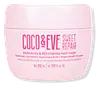
Water, Cetearyl Alcohol, Cetrimonium Chloride, Ananas Sativus Fruit Extract, Psidium Guajava Fruit Extract, Cocos Nucifera Fruit Extract, Musa Sapientum Fruit Extract, Hydrolyzed Pea Protein, Pseudozyma Epicola/Argania Spinosa Kernel Oil/Camellia Japonica Seed Oil/Camellia Sinensis Seed Oil/Sunflower Seed Oil/Sweet Almond Oil Ferment Extract, Ficus Carica Fruit Extract, Nephelium Lappaceum Branch/Fruit/Leaf Extract, Hydrolyzed Rice Protein, Persea Gratissima Oil, Hydrolyzed Hyaluronic Acid, Hydrolyzed Hemp Seed Extract, Sodium Hyaluronate, Behentrimonium Chloride, Ethylhexyl Palmitate, Guar Hydroxypropyltrimonium Chloride, Glyceryl Stearate, Dipalmitoylethyl Hydroxyethylmonium Methosulfate, Potassium Sorbate, Behenyl/Stearyl Aminopropanediol Esters, Propylene Glycol, Quaternium-80, Glycerin, Citric Acid, Tocopherol, Parfum, CI 17200, CI 19140, Benzyl Alcohol, Hexyl Cinnamal, Benzoic Acid, Tetrasodium Glutamate Diacetate, Sorbic Acid, Coumarin
Reviews
Ingredients Explained
These ingredients are found in both products.
Ingredients higher up in an ingredient list are typically present in a larger amount.
Benzoic Acid is an organic acid that shows up in cosmetics as a preservative. It helps keep a product from spoiling by holding back the growth of yeast, mold, and some bacteria.
This ingredient also functions as a fragrance ingredient that helps mask the unpleasant scent of other ingredients.
The way it works is worth understanding; benzoic acid works when the formula is acidic. It is able to sneak into a microbe's cell and mess up how it functions to stop it from growing in an acidic product.
However, the acid switches to an inactive form and stops working if a product isn't acidic enough (above ~5 pH). This is why you'll often see it in low pH products or teamed up with other preservatives to cover the gap.
Safety wise, it's one of the better studied preservatives out there.
The Cosmetic Ingredient Review Expert Panel has concluded this ingredient to be safe for use in cosmetic formulations at concentrations up to 5%.
A large international review found this ingredient had no effects on the human body and had low irritation potential.
Just so you know, real world use is usually much lower than the 5% ceiling (usually 1% of less).
The EU caps it at 2.5% in rinse-off products, 1.7% in oral care, and 0.5% in leave-on products.
One thing worth mentioning (it's nothing to worry about): some people get a little stinging or flushing where they apply it. This isn't a true allergy; it's a temporary and harmless reaction. This is the same kind of mild tingle you might notice from sorbic acid.
Learn more about Benzoic AcidCetearyl alcohol is a waxy mixture of two fatty alcohols: cetyl alcohol and stearyl alcohol. It is an emollient and emulsifier.
Despite having "alcohol" in its name, it has nothing to do with drying solvent alcohols; the FDA also allows "alcohol-free" products to contain fatty alcohols like this ingredient.
It plays several roles in a formula:
Typical use levels for this ingredient sit around 1-10% and the Cosmetic Ingredient Review Expert Panel has affirmed safety at concentrations up to 25% in leave-on products.
Multiple assessments have found it to be non-irritating and non-sensitizing to most people.
However, there have been some cases of allergic contact dermatitis in patients with chronically compromised skin barriers.
Cetearyl alcohol has a comedogenic rating of 2 and irritancy rating of 1. Both of these numbers come from the 1989 study that used rabbit ears; a "2" means mildly comedogenic and a "1" means low irritancy.
Here's the catch: rabbit skin is more sensitive than human skin and throws a lot of false positives. A 1996 reappraisal found that ingredients rated 1-2 in the rabbit ear tests are generally safe for humans.
Remember comedogenic ratings are unable to assess the entire formula of a product or how it will react on your skin. Just be sure to patch test if you are unsure about certain ingredients.
This ingredient is not fungal acne safe. Cetearyl alcohol is a fatty alcohol with chain lengths that fall within the range that Malassezia can metabolize.
A 2019 study has also observed Malassezia growth in the presence of this ingredient, confirming it to be not-fungal acne safe.
Learn more about Cetearyl AlcoholThis ingredient is a preservative, antimicrobial, and emulsifier. It is often used in cosmetics for its ability to cleanse, condition, and reduce static.
Cetrimonium chloride is a quaternary ammonium salt, meaning it has a water-soluble structure.
Glyceryl Stearate is made by reacting glycerin with stearic acid (typically sourced from plant oils like palm or coconut). It's an emulsifier, emollient, and mild occlusive.
Emulsifiers help ingredients like oil and water stay mixed so your formula stays nicely blended and uniform in texture.
This ingredient is typically used in concentrations between 1-10%. Studies have found it to be non-sensitizing, non-phototoxic, and non-photoallergenic.
A close cousin of this ingredient is Glyceryl Stearate SE ("self-emulsifying"). This just has a small amount of sodium or potassium stearate added so it can emulsify without a co-emulsifier.
Since this ingredient is an ester of a C18 fatty acid, it may not be fungal acne safe. The Malassezia yeast can potentially metabolize within the C11-C24 range.
Fun fact: The human body also creates Glyceryl Stearate naturally.
Learn more about Glyceryl StearateWater. It's the most common cosmetic ingredient of all. You'll usually see it at the top of ingredient lists, meaning that it makes up the largest part of the product.
So why is it so popular? Water most often acts as a solvent - this means that it helps dissolve other ingredients into the formulation.
You'll also recognize water as that liquid we all need to stay alive. If you see this, drink a glass of water. Remember to stay hydrated!
Learn more about Water

