

What's inside
What's inside
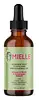 Key Ingredients
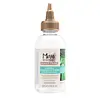
Benefits
Concerns
Ingredients Side-by-side
Glycine Soja Oil
Emollient








Ricinus Communis Seed Oil
Masking
Rosmarinus Officinalis Leaf Oil
Masking
Simmondsia Chinensis Seed Oil
Emollient

Mentha Piperita Oil
Masking



Eucalyptus Globulus Leaf Oil
Perfuming
Menthol
Masking
Melaleuca Alternifolia Leaf Oil
Antioxidant


Cocos Nucifera Oil
Masking
Equisetum Arvense Extract
AstringentAloe Barbadensis Extract
Skin Conditioning
Lavandula Angustifolia Oil
Masking
Triticum Vulgare Germ Oil
Emollient
Carthamus Tinctorius Seed Oil
Masking
Oenothera Biennis Oil
Emollient
Vitis Vinifera Seed Oil
Emollient
Benzyl Nicotinate
Skin ConditioningPrunus Amygdalus Dulcis Oil
Skin Conditioning
Oryza Sativa Bran Oil
Emollient
Tocopheryl Acetate
Antioxidant

Biotin
AntiseborrhoeicArctium Lappa Root Extract
Skin Conditioning
Glycerin
Humectant
Apium Graveolens Seed Extract
Antioxidant
Retinyl Palmitate
Skin Conditioning
Cholecalciferol
Ascorbic Acid
Antioxidant


Ocimum Basilicum Oil
Masking
Pogostemon Cablin Leaf Oil
Masking
Salvia Officinalis Oil
Masking
Silica
Abrasive

Urtica Dioica Extract
AstringentGlycine Soja Oil, Ricinus Communis Seed Oil, Rosmarinus Officinalis Leaf Oil, Simmondsia Chinensis Seed Oil, Mentha Piperita Oil, Eucalyptus Globulus Leaf Oil, Menthol, Melaleuca Alternifolia Leaf Oil, Cocos Nucifera Oil, Equisetum Arvense Extract, Aloe Barbadensis Extract, Lavandula Angustifolia Oil, Triticum Vulgare Germ Oil, Carthamus Tinctorius Seed Oil, Oenothera Biennis Oil, Vitis Vinifera Seed Oil, Benzyl Nicotinate, Prunus Amygdalus Dulcis Oil, Oryza Sativa Bran Oil, Tocopheryl Acetate, Biotin, Arctium Lappa Root Extract, Glycerin, Apium Graveolens Seed Extract, Retinyl Palmitate, Cholecalciferol, Ascorbic Acid, Ocimum Basilicum Oil, Pogostemon Cablin Leaf Oil, Salvia Officinalis Oil, Silica, Urtica Dioica Extract
Aloe Barbadensis Leaf Juice
Skin Conditioning
Water
Skin ConditioningGlycerin
Humectant
Propanediol
Solvent
PEG-40 Hydrogenated Castor Oil
Emulsifying
Polysorbate 20
Emulsifying
Rosmarinus Officinalis Leaf Oil
Masking
Tocopheryl Acetate
Antioxidant
Cocos Nucifera Water
Masking
Tetraselmis Suecica Extract
Skin ConditioningNigella Sativa Seed Oil
Emollient
Opuntia Ficus-Indica Seed Oil
Emollient
Adansonia Digitata Seed Oil
Emollient
Cocos Nucifera Seed Butter
Skin Conditioning
Butyrospermum Parkii Butter
Skin Conditioning
Calophyllum Inophyllum Seed Oil
Antimicrobial
Moringa Oleifera Seed Oil
Emollient
Caprylyl Glycol
Emollient
Hydroxyphenyl Propamidobenzoic Acid
Skin ConditioningPEG-5 Ethylhexanoate
EmulsifyingTrideceth-9
EmulsifyingMannitol
Humectant
Carrageenan
Xanthan Gum
EmulsifyingTetrasodium Glutamate Diacetate
ChelatingHydroxyacetophenone
Antioxidant
Parfum
Masking
Aloe Barbadensis Leaf Juice, Water, Glycerin, Propanediol, PEG-40 Hydrogenated Castor Oil, Polysorbate 20, Rosmarinus Officinalis Leaf Oil, Tocopheryl Acetate, Cocos Nucifera Water, Tetraselmis Suecica Extract, Nigella Sativa Seed Oil, Opuntia Ficus-Indica Seed Oil, Adansonia Digitata Seed Oil, Cocos Nucifera Seed Butter, Butyrospermum Parkii Butter, Calophyllum Inophyllum Seed Oil, Moringa Oleifera Seed Oil, Caprylyl Glycol, Hydroxyphenyl Propamidobenzoic Acid, PEG-5 Ethylhexanoate, Trideceth-9, Mannitol, Carrageenan, Xanthan Gum, Tetrasodium Glutamate Diacetate, Hydroxyacetophenone, Parfum
Reviews
Ingredients Explained
These ingredients are found in both products.
Ingredients higher up in an ingredient list are typically present in a larger amount.
Glycerin (or glycerol) is a compound naturally found in your skin. It's a powerhouse humectant that pulls water into the stratum corneum.
Topically, glycerin does several things at once:
Your skin makes glycerin on its own (mostly from sebaceous oil breakdown) and shuttles it to your outermost layer of skin, or your epidermis, via aquaporin-3.
Aquaporin-3 is a transporter that is essential for normal skin hydration, elasticity, and repair. Interestingly, mice lacking in AQP3 have dry and less elastic skin that can be fully corrected with glycerin.
This ingredient is non-irritating, plays well with almost every ingredient, and works across all skin types. Typical use is anywhere between 3-10% but can go up to 79% in some leave-on products.
Just know very high concentrations (>40%) can feel tacky in low humidity.
Glycerin is the name for this ingredient in American English. British English uses Glycerol/Glycerine.
Learn more about GlycerinRosmarinus Officinalis Leaf Oil is an essential oil also known as rosemary essential oil. In skincare, it is a skin conditioning agent and also acts as a natural fragrance that gives products a fresh/herby smell.
The oil is a mix of over 100 volatile compounds with 1,8-cineole, α-pinene, camphor, and verbenone usually leading the pack.
Lab studies credit this oil with antioxidant, anti-inflammatory, and antimicrobial activity. Some research even show rosemary compounds calming acne-related inflammation.
The Cosmetic Ingredient Review (CIR) has concluded rosemary-derived ingredients to be safe when formulated to be nonsensitizing.
Since this is a fragrant essential oil, the main concern is for fragrance-sensitive folks.
Learn more about Rosmarinus Officinalis Leaf OilTocopheryl Acetate is a stable, shelf-friendly form of vitamin E.
Formulators love it because plain vitamin E oxidizes quickly once it hits air. This acetate version stays stable and resists going off, helping to extend a product's shelf life.
It's actually inactive on its own and works like a slow-release "storage" form; the enzymes in your skin called esterases gradually convert it into active vitamin E over time.
One in vivo study showed 5% of the acetate in the living layer of the epidermis converted to vitamin E after 5 days of application. This study also found the skin gained protection against UV damage even though the conversion was slow and small.
Once converted, vitamin E acts as a skin's main fat-soluble antioxidant that fights free radicals to protect skin from damage.
Topical vitamin E generally boosts the skin's photoprotection, and it reduced UV-damage in animal models.
This ingredient has some brightening potential but it's more of a prevention ingredient than spot-fader. Cell studies show it can slow down melanin production but it's worth noting that it's not the most powerful brightener out there.
Overall, it has a pretty solid safety profile and has been found to be non-irritating and non-comedogenic. Allergic reactions may happen but stay rare due to how widely the ingredient gets used.
The concentration will vary depending on the formula; industry data shows 0.1% in baby lotions, 3% in lipsticks, and 5% in foot powders. You can also find this ingredient at 100% in a pure vitamin E oil.
Most leave-on skincare keeps it at the lower end, often between 0.5-1%.
Learn more about Tocopheryl Acetate

