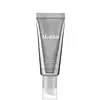
This anti-aging serum is formulated around Retinal and 3-O-Ethyl Ascorbic Acid to soften the look of wrinkles and refine skin texture.
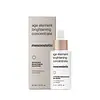
This brightening serum is formulated around Niacinamide and 3-O-Ethyl Ascorbic Acid to brighten dull-looking skin and fade the look of dark spots.


What's inside
What's inside
 Key Ingredients
Benefits
Concerns
Ingredients Side-by-side
Water
Skin ConditioningCaprylic/Capric Triglyceride
Masking


Glycerin
Humectant
Isododecane
EmollientCetearyl Olivate


Sodium Acrylate/Sodium Acryloyldimethyl Taurate Copolymer
Emulsion StabilisingCetearyl Alcohol
Emollient



PPG-12/Smdi Copolymer
EmollientSorbitan Olivate
Emulsifying
Tocopheryl Acetate
Antioxidant


Squalane
Emollient
Hydroxyethyl Acrylate/Sodium Acryloyldimethyl Taurate Copolymer
Emulsion StabilisingHydroxyacetophenone
Antioxidant
Cyclodextrin
Absorbent3-O-Ethyl Ascorbic Acid
Skin Conditioning



Sodium Polyaspartate
HumectantHydroxypropyl Methylcellulose
Emulsion StabilisingSodium Hyaluronate
Humectant
Phenoxyethanol
Preservative
Tetrahexyldecyl Ascorbate
Antioxidant
Daucus Carota Sativa Seed Oil
Emollient

Retinal
Skin Conditioning




Alumina
Abrasive
Isostearic Acid
Cleansing
Lecithin
Emollient
Polyglyceryl-3 Polyricinoleate
Emulsifying
Polyhydroxystearic Acid
Emulsifying
Lonicera Japonica Flower Extract
Skin ConditioningLonicera Caprifolium Flower Extract
Perfuming
Stearic Acid
Cleansing
Citric Acid
Buffering
BHT
Antioxidant
Rubus Chamaemorus Seed Oil
Skin Conditioning
Polysorbate 60
Emulsifying
Disodium EDTA
ChelatingEthylhexylglycerin
Skin ConditioningSorbitan Isostearate
Emulsifying
Pentylene Glycol
Skin Conditioning
Vanilla Planifolia Fruit Extract
Skin Conditioning
Dipteryx Odorata Bean Extract
Masking
Coumarin
Perfuming

CI 14700
Cosmetic ColorantCI 77891
Cosmetic ColorantWater, Caprylic/Capric Triglyceride, Glycerin, Isododecane, Cetearyl Olivate, Sodium Acrylate/Sodium Acryloyldimethyl Taurate Copolymer, Cetearyl Alcohol, PPG-12/Smdi Copolymer, Sorbitan Olivate, Tocopheryl Acetate, Squalane, Hydroxyethyl Acrylate/Sodium Acryloyldimethyl Taurate Copolymer, Hydroxyacetophenone, Cyclodextrin, 3-O-Ethyl Ascorbic Acid, Sodium Polyaspartate, Hydroxypropyl Methylcellulose, Sodium Hyaluronate, Phenoxyethanol, Tetrahexyldecyl Ascorbate, Daucus Carota Sativa Seed Oil, Retinal, Alumina, Isostearic Acid, Lecithin, Polyglyceryl-3 Polyricinoleate, Polyhydroxystearic Acid, Lonicera Japonica Flower Extract, Lonicera Caprifolium Flower Extract, Stearic Acid, Citric Acid, BHT, Rubus Chamaemorus Seed Oil, Polysorbate 60, Disodium EDTA, Ethylhexylglycerin, Sorbitan Isostearate, Pentylene Glycol, Vanilla Planifolia Fruit Extract, Dipteryx Odorata Bean Extract, Coumarin, CI 14700, CI 77891
Water
Skin ConditioningNiacinamide
Smoothing
Dipropylene Glycol
HumectantPentylene Glycol
Skin Conditioning
3-O-Ethyl Ascorbic Acid
Skin Conditioning
Isopentyldiol
Humectant
PEG-7 Glyceryl Cocoate
Emulsifying
Glycerin
Humectant
1,2-Hexanediol
Skin Conditioning
Arginine
Masking
Shikimic Acid
Skin ConditioningAcetyl Tetrapeptide-2
Skin Conditioning
Biosaccharide Gum-1
Humectant
Ascorbyl Propyl Hyaluronate
Skin Conditioning
Hydrolyzed Yeast Extract
Skin ConditioningGlycolipids
Skin ConditioningEthylhexylglycerin
Skin ConditioningFerulic Acid
Antimicrobial
Maslinic Acid
Antioxidant
Isoquercetin
Antioxidant
Ammonium Polyacryloyldimethyl Taurate
Emulsion StabilisingPropanediol
Solvent
T-Butyl Alcohol
Perfuming
Sodium Citrate
BufferingDisodium EDTA
ChelatingPhenoxyethanol
Preservative
CI 15985
Cosmetic ColorantWater, Niacinamide, Dipropylene Glycol, Pentylene Glycol, 3-O-Ethyl Ascorbic Acid, Isopentyldiol, PEG-7 Glyceryl Cocoate, Glycerin, 1,2-Hexanediol, Arginine, Shikimic Acid, Acetyl Tetrapeptide-2, Biosaccharide Gum-1, Ascorbyl Propyl Hyaluronate, Hydrolyzed Yeast Extract, Glycolipids, Ethylhexylglycerin, Ferulic Acid, Maslinic Acid, Isoquercetin, Ammonium Polyacryloyldimethyl Taurate, Propanediol, T-Butyl Alcohol, Sodium Citrate, Disodium EDTA, Phenoxyethanol, CI 15985
Reviews
Ingredients Explained
These ingredients are found in both products.
Ingredients higher up in an ingredient list are typically present in a larger amount.
3-O-Ethyl Ascorbic Acid is one of the most popular "stable" vitamin C derivatives in skincare.
Plain ascorbic acid is fantastic but notoriously fragile; it browns, oxidizes, and loses potency fast. So attaching an ethyl group to the third carbon of the molecule gives it some cool perks:
In a formula, it does the 3 classic vitamin C jobs: it acts as an antioxidant, helps brighten skin tone by inhibiting tyrosinase, and supports collagen.
The evidence is reasonably solid for a cosmetic ingredient; Liao and colleagues (2018) showed it's significantly more stable than ascorbic acid while still being effective.
A 2021 study by Zerbinati and colleagues tested a serum with 30% 3-O-ethyl-l-ascorbic acid and 1% lactic acid significantly increased collagen production, reduced UVB-induced DNA damage, and decreased melanin on a reconstructed pigmented skin model.
Typical real world usage sits around 0.5-5% (and 1-2% is common for daily serums).
Amounts up to 30% have been shown to be non-irritating on human skin samples, but two isolated cases reported allergic contact dermatitis so a patch test is sensible if you have reactive skin.
Learn more about 3-O-Ethyl Ascorbic AcidDisodium EDTA is a chelating agent. It grabs onto and deactivates metal ions that sneak into your products from water, packaging, or air.
This ingredient mainly works behind the scenes and helps with:
On top of that, this ingredient can counteract the effects of hard water by binding to the minerals in it.
One thing worth knowing is that Disodium EDTA has been shown to be a mild penetration enhancer. It can help other ingredients absorb into skin more effectively which can be a double-edged sword (great for actives, but can also make the active too strong if you have sensitive skin).
Clinical patch testing showed no significant skin irritation at typical use concentrations and minimal dermal absorption.
You'll most likely see this ingredient near the end of an ingredient list. It's typically found in concentrations less than 1%.
Learn more about Disodium EDTAEthylhexylglycerin is created from glycerin. It is a multitasker ingredient that:
The CIR Expert Panel found minimal skin absorption or sensitization of any kind in a safety assessment. Though this ingredient is considered well-tolerated, a small number of cases of allergic dermatitis have been published since 2002. Just be sure to patch test if you are unsure.
Industry-reported use ranges from 8% in rinse-off products and 2% in leave-on formulations.
Learn more about EthylhexylglycerinGlycerin (or glycerol) is a compound naturally found in your skin. It's a powerhouse humectant that pulls water into the stratum corneum.
Topically, glycerin does several things at once:
Your skin makes glycerin on its own (mostly from sebaceous oil breakdown) and shuttles it to your outermost layer of skin, or your epidermis, via aquaporin-3.
Aquaporin-3 is a transporter that is essential for normal skin hydration, elasticity, and repair. Interestingly, mice lacking in AQP3 have dry and less elastic skin that can be fully corrected with glycerin.
This ingredient is non-irritating, plays well with almost every ingredient, and works across all skin types. Typical use is anywhere between 3-10% but can go up to 79% in some leave-on products.
Just know very high concentrations (>40%) can feel tacky in low humidity.
Glycerin is the name for this ingredient in American English. British English uses Glycerol/Glycerine.
Learn more about GlycerinPentylene Glycol (1,2-pentanediol) is a multitasking little diol with three main roles in a formula:
Research on alkanediols (the family pentylene glycol belongs to) show they work by disrupting microbial cell membranes. This disruption helps the primary preservative system in a product work more effectively at lower doses.
On the safety side, the Cosmetic Ingredient Review Expert Panel has concluded this ingredient to be safe as used in current cosmetic practices + concentrations.
Typical use levels in a formula run about 1-5%.
Learn more about Pentylene GlycolPhenoxyethanol is one of the most widely used preservatives in skincare (and for good reason!).
It has a large spectrum of antimicrobial activity and especially effective bacteria, yeast, and mold while only having a weak effect on your skin's natural microbiome.
On a cellular level, it disrupts the cell membranes of microbes by poking holes that make the cell leak. This shuts down the chemical reactions the microbe needs to make energy so it can no longer survive.
Another perk of this ingredient is that it stays functional across a wide pH range (3-10).
You'll often see it paired with boosters like Ethylhexylglycerin; one study showed that a 1:9 ratio of Ethylhexylglycerin to Phenoxyethanol damages bacterial membranes as effectively as doubling the Phenoxyethanol concentration on its own.
Typical use concentrations range from 0.3-1% depending on the formula, and this ingredient is capped at 1% int the EU.
Safety-wise, the fear mongering does not hold up to the evidence. The EU's Scientific Committee on Consumer Safety and FDA consider it safe as a preservative at up to 1%, including for children of all ages.
Adverse systemic effects only showed up in animal studies at exposures roughly 200x higher than what people get from cosmetics. And despite its very widespread use, this ingredient is a rare sensitizer and allergic reactions are uncommon.
Learn more about PhenoxyethanolWater. It's the most common cosmetic ingredient of all. You'll usually see it at the top of ingredient lists, meaning that it makes up the largest part of the product.
So why is it so popular? Water most often acts as a solvent - this means that it helps dissolve other ingredients into the formulation.
You'll also recognize water as that liquid we all need to stay alive. If you see this, drink a glass of water. Remember to stay hydrated!
Learn more about Water

