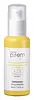
This anti-aging ampoule is formulated around Rosa Canina Fruit Extract and Hydroxydecyl Ubiquinone to soften the look of wrinkles and strengthen the skin barrier.
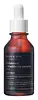
This anti-aging serum is formulated around Hydroxydecyl Ubiquinone to soften the look of wrinkles and brighten dull-looking skin.

What's inside
What's inside
 Key Ingredients
Benefits
Concerns
Ingredients Side-by-side
Rosa Canina Fruit Extract
Astringent


Glycerin
Humectant
Methylpropanediol
SolventHydroxydecyl Ubiquinone
Antioxidant


Bisabolol
Antioxidant

Squalane
Emollient
Betaine
Humectant
Butyrospermum Parkii Butter
Skin Conditioning




Hydrolyzed Hyaluronic Acid
Humectant
Beta-Glucan
Skin Conditioning
Ceramide NP
Skin Conditioning
Ceramide As
Skin Conditioning
Ceramide AP
Skin Conditioning
Ceramide Ns
Skin Conditioning
Ceramide EOP
Skin Conditioning
Algae Extract
Emollient
Eclipta Prostrata Leaf Extract
Skin ConditioningCitrus Aurantium Bergamia Fruit Oil
Masking



Pelargonium Graveolens Flower Oil
Masking
Citrus Aurantium Dulcis Peel Oil
Masking
Hydrogenated Lecithin
Emulsifying
Lavandula Angustifolia Oil
Masking
Sodium Hyaluronate
Humectant
Rosmarinus Officinalis Leaf Oil
Masking
Citrus Nobilis Peel Oil
Masking
Salvia Officinalis Oil
Masking
Pogostemon Cablin Leaf Oil
Masking
Litsea Cubeba Fruit Oil
Masking
Anthemis Nobilis Flower Oil
Masking
Cetearyl Alcohol
Emollient

Pentaerythrityl Tetraethylhexanoate
Emollient
Caprylic/Capric Triglyceride
Masking
Octyldodeceth-16
EmulsifyingDipentaerythrityl Hexahydroxystearate/Hexastearate/Hexarosinate
Skin ConditioningCholesteryl Hydroxystearate
EmollientCarbomer
Emulsion StabilisingTromethamine
BufferingBehenyl Alcohol
Emollient
Cellulose Gum
Emulsion StabilisingFructooligosaccharides
Humectant
Dipropylene Glycol
HumectantGlyceryl Stearate
Emollient
Cholesterol
Emollient
Ethylhexylglycerin
Skin ConditioningRosa Canina Fruit Extract, Glycerin, Methylpropanediol, Hydroxydecyl Ubiquinone, Bisabolol, Squalane, Betaine, Butyrospermum Parkii Butter, Hydrolyzed Hyaluronic Acid, Beta-Glucan, Ceramide NP, Ceramide As, Ceramide AP, Ceramide Ns, Ceramide EOP, Algae Extract, Eclipta Prostrata Leaf Extract, Citrus Aurantium Bergamia Fruit Oil, Pelargonium Graveolens Flower Oil, Citrus Aurantium Dulcis Peel Oil, Hydrogenated Lecithin, Lavandula Angustifolia Oil, Sodium Hyaluronate, Rosmarinus Officinalis Leaf Oil, Citrus Nobilis Peel Oil, Salvia Officinalis Oil, Pogostemon Cablin Leaf Oil, Litsea Cubeba Fruit Oil, Anthemis Nobilis Flower Oil, Cetearyl Alcohol, Pentaerythrityl Tetraethylhexanoate, Caprylic/Capric Triglyceride, Octyldodeceth-16, Dipentaerythrityl Hexahydroxystearate/Hexastearate/Hexarosinate, Cholesteryl Hydroxystearate, Carbomer, Tromethamine, Behenyl Alcohol, Cellulose Gum, Fructooligosaccharides, Dipropylene Glycol, Glyceryl Stearate, Cholesterol, Ethylhexylglycerin
Water
Skin ConditioningRubus Fruticosus Fruit Extract
AstringentEuterpe Oleracea Fruit Extract
Vaccinium Angustifolium Fruit Extract
Skin Protecting
Glycerin
Humectant
Caprylic/Capric Triglyceride
Masking
Glycereth-26
Humectant
1,2-Hexanediol
Skin Conditioning
Butylene Glycol
Humectant
Polyglyceryl-10 Laurate
Skin Conditioning
Hydroxydecyl Ubiquinone
Antioxidant
Hydrogenated Lecithin
Emulsifying
Arginine
Masking
Carbomer
Emulsion StabilisingEthylhexylglycerin
Skin ConditioningCaprylyl Glycol
Emollient
Water, Rubus Fruticosus Fruit Extract, Euterpe Oleracea Fruit Extract, Vaccinium Angustifolium Fruit Extract, Glycerin, Caprylic/Capric Triglyceride, Glycereth-26, 1,2-Hexanediol, Butylene Glycol, Polyglyceryl-10 Laurate, Hydroxydecyl Ubiquinone, Hydrogenated Lecithin, Arginine, Carbomer, Ethylhexylglycerin, Caprylyl Glycol
Reviews
Ingredients Explained
These ingredients are found in both products.
Ingredients higher up in an ingredient list are typically present in a larger amount.
Caprylic/Capric Triglyceride (aka MCT Oil) is a lightweight emollient, solvent, and texture enhancer. It is considered a skin-softener by helping to prevent moisture loss.
Though it behaves like an oil, it is not technically one due to its chemical composition. One perk of this ingredient is that it is very stable, resistant to oxidation, and unlikely to go rancid.
In practice, that translates to a long shelf life and a consistently elegant skin feel.
While there is an assumption Caprylic Triglyceride can clog pores due to it being derived from coconut oil, there is no research supporting this. Just patch test if you have concerns.
Fractionated coconut oil and MCT Oil are both listed as Caprylic/Capric Triglyceride according to INCI. This is because INCI names are based on the ingredient’s final chemical composition and not its marketing name or source.
This ingredient is treated as the gold standard fungal acne safe oil. Even though it is coconut derived, the problematic lauric acid is stripped out.
This leaves just caprylic (C8) and capric (C10) acid. These chain lengths actually trend antifungal; a 2020 study found caprylic acid was enough to disrupt Malassezia furfur cell membrane, with a caprylic acid derivative damaging membrane structures at concentrations as low as 0.2%.
Learn more about Caprylic/Capric TriglycerideCarbomer is a synthetic thickening and gelling agent. It's basically the ingredient that gives a lot of serums, gels, creams, and sunscreens their smooth, non-sticky texture.
Although legally permitted at very high levels, carbomers are normally used at concentrations below 1%.
It also needs to be neutralized to actually thicken, and because it is a large molecule, it doesn't really penetrate the skin barrier.
Allergy-wise, the risk is very low. Clinical studies show carbomers have low potential for skin irritation/sensitization even at concentrations up to 100%.
A 2024 UK study patch-tested 1,302 patients and found true allergy to the parent group of carbomer to be rare with no confirmed relevant reactions.
Learn more about CarbomerEthylhexylglycerin is created from glycerin. It is a multitasker ingredient that:
The CIR Expert Panel found minimal skin absorption or sensitization of any kind in a safety assessment. Though this ingredient is considered well-tolerated, a small number of cases of allergic dermatitis have been published since 2002. Just be sure to patch test if you are unsure.
Industry-reported use ranges from 8% in rinse-off products and 2% in leave-on formulations.
Learn more about EthylhexylglycerinGlycerin (or glycerol) is a compound naturally found in your skin. It's a powerhouse humectant that pulls water into the stratum corneum.
Topically, glycerin does several things at once:
Your skin makes glycerin on its own (mostly from sebaceous oil breakdown) and shuttles it to your outermost layer of skin, or your epidermis, via aquaporin-3.
Aquaporin-3 is a transporter that is essential for normal skin hydration, elasticity, and repair. Interestingly, mice lacking in AQP3 have dry and less elastic skin that can be fully corrected with glycerin.
This ingredient is non-irritating, plays well with almost every ingredient, and works across all skin types. Typical use is anywhere between 3-10% but can go up to 79% in some leave-on products.
Just know very high concentrations (>40%) can feel tacky in low humidity.
Glycerin is the name for this ingredient in American English. British English uses Glycerol/Glycerine.
Learn more about GlycerinHydrogenated Lecithin is a more stable version of lecithin.
It's made by taking lecithin (a phospholipid commonly found in soybeans and egg yolks) and hydrogenating it. This just means the unsaturated fatty acids are turned into saturated ones so they don't go bad as easily.
This ingredient is an emollient, emulsifier, and penetration enhancer. As an emollient, it helps soften and hydrate skin by trapping moisture within. As an emulsifier, it prevents oil and water ingredients from separating.
Hydrogenated Lecithin can form tiny spherical structures made of phospholipid bilayers called liposomes. These liposomes are able to capture compounds inside their structure and deliver them through the skin barrier.
Because phospholipids are a natural component of our cell membranes, this ingredient is inherently compatible with skin.
A 2021 study found lecithin-based surfactants were less harsh and more tolerable comared to Sodium Lauryl Sulfate (SLS).
Learn more about Hydrogenated LecithinHydroxydecyl Ubiquinone (aka Idebenone) is an antioxidant that helps neutralize free radicals, or the unstable molecules that break down collagen and speed up visible aging.
It's a synthetic analog of Coenzyme Q10 but with a much smaller molecular weight. In theory, this gives it greater potential to penetrate skin.
The headline claim comes from a 2005 study that ranked Idebenone's oxidative-stress protection against five popular antioxidants (Vitamin C, Vitamin E, CoQ10, Kinetin, and Alpha Lipoic Acid). This study found it performed strongly in their testing model.
A companion six-week clinical trial on 41 women with moderately photodamaged skin found a 1% Idebenone formula showed a 26% reduction in skin roughness and dryness, a 37% increase in hydration, a 29% reduction in fine-lines/wrinkles, and a 33% improvement in overall photodamage. One thing worth noting about this study is that there was no vehicle control so not all benefits can be pinned on idebenone alone.
Typical usage for this ingredient sits between 0.5-1% (both concentrations validated in clinical work).
On the safety side, Idebenone is well tolerated by most people. There are a handful of documented allergic contact dermatitis in individual users so be sure to patch test if you have sensitive or reactive skin.
Learn more about Hydroxydecyl Ubiquinone

