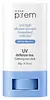
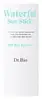
Make p:rem Defense Me Calming Sun Stick SPF50+ PA++++ Versus Dr. Bio Waterful Sun Stick SPF50+ PA++++
This hybrid sunscreen covers the full UV range and blocks ~98% of UVB at SPF 50.
This hybrid sunscreen covers the full UV range and blocks ~98% of UVB at SPF 50.

What's inside
What's inside
 Key Ingredients
Benefits
Concerns
Ingredients Side-by-side
Isopropyl Palmitate
Emollient




Zinc Oxide
Cosmetic Colorant


Polyethylene
Abrasive
Coco-Caprylate/Caprate
Emollient
Benzotriazolyl Dodecyl P-Cresol
UV AbsorberButylene Glycol Dicaprylate/Dicaprate
EmollientC12-15 Alkyl Benzoate
AntimicrobialVinyl Dimethicone/Methicone Silsesquioxane Crosspolymer

Acrylates Copolymer
Caprylic/Capric Triglyceride
Masking

Methyl Methacrylate Crosspolymer
Butyloctyl Salicylate
Skin Conditioning
Vinyldimethicone
Ozokerite
Emulsion StabilisingPolymethyl Methacrylate
Synthetic Fluorphlogopite
Moringa Oleifera Seed Extract
Skin Conditioning
Cardiospermum Halicacabum Flower/Leaf/Vine Extract
Skin ConditioningRosmarinus Officinalis Leaf Extract
AntimicrobialBambusa Vulgaris Water
Skin ConditioningRibes Nigrum Seed Oil
Emollient
Helianthus Annuus Seed Oil
Emollient
Cerium Oxide
Helianthus Annuus Seed Oil Unsaponifiables
Emollient
Fructan
Skin ConditioningPyrus Communis Fruit Extract
Skin ConditioningPrunus Persica Fruit Extract
Abrasive
Cucumis Melo Fruit Extract
Skin ConditioningHedera Helix Leaf/Stem Extract
AntimicrobialSolidago Virgaurea Extract
Skin ConditioningEugenia Caryophyllus Bud Extract
Perfuming
Rosa Damascena Flower Water
Masking
Jasminum Officinale Flower Water
MaskingCaprylyl Glycol
Emollient
Polyglyceryl-4 Diisostearate/Polyhydroxystearate/Sebacate
Emulsifying
Triethoxycaprylylsilane
Polyhydroxystearic Acid
Emulsifying
Polymethylsilsesquioxane
Silica
Abrasive
Propanediol
Solvent
Hydrogen Dimethicone
Tocopherol
Antioxidant




1,2-Hexanediol
Skin Conditioning
Water
Skin ConditioningOctyldodecanol
Emollient
Maltodextrin
Absorbent
Isopropyl Palmitate, Zinc Oxide, Polyethylene, Coco-Caprylate/Caprate, Benzotriazolyl Dodecyl P-Cresol, Butylene Glycol Dicaprylate/Dicaprate, C12-15 Alkyl Benzoate, Vinyl Dimethicone/Methicone Silsesquioxane Crosspolymer, Acrylates Copolymer, Caprylic/Capric Triglyceride, Methyl Methacrylate Crosspolymer, Butyloctyl Salicylate, Vinyldimethicone, Ozokerite, Polymethyl Methacrylate, Synthetic Fluorphlogopite, Moringa Oleifera Seed Extract, Cardiospermum Halicacabum Flower/Leaf/Vine Extract, Rosmarinus Officinalis Leaf Extract, Bambusa Vulgaris Water, Ribes Nigrum Seed Oil, Helianthus Annuus Seed Oil, Cerium Oxide, Helianthus Annuus Seed Oil Unsaponifiables, Fructan, Pyrus Communis Fruit Extract, Prunus Persica Fruit Extract, Cucumis Melo Fruit Extract, Hedera Helix Leaf/Stem Extract, Solidago Virgaurea Extract, Eugenia Caryophyllus Bud Extract, Rosa Damascena Flower Water, Jasminum Officinale Flower Water, Caprylyl Glycol, Polyglyceryl-4 Diisostearate/Polyhydroxystearate/Sebacate, Triethoxycaprylylsilane, Polyhydroxystearic Acid, Polymethylsilsesquioxane, Silica, Propanediol, Hydrogen Dimethicone, Tocopherol, 1,2-Hexanediol, Water, Octyldodecanol, Maltodextrin
Synthetic Wax
Abrasive
C12-15 Alkyl Benzoate
AntimicrobialVinyl Dimethicone/Methicone Silsesquioxane Crosspolymer
Ethylhexyl Palmitate
Emollient
Propylheptyl Caprylate
EmollientTitanium Dioxide
Cosmetic Colorant
Isopropyl Palmitate
Emollient
Methyl Methacrylate Crosspolymer
Butyloctyl Salicylate
Skin Conditioning
Synthetic Fluorphlogopite
Polymethylsilsesquioxane
Diethylhexyl 2,6-Naphthalate
EmollientOzokerite
Emulsion StabilisingVinyldimethicone
Aluminum Stearate
Cosmetic ColorantHydroxystearic Acid
Cleansing
Mentha Aquatica Leaf Extract
Skin ConditioningMelaleuca Alternifolia Flower/Leaf/Stem Extract
Skin ConditioningChamaecyparis Obtusa Leaf Extract
Skin ConditioningBambusa Vulgaris Shoot Extract
Antioxidant
Bambusa Vulgaris Leaf/Stem Extract
HumectantBrassica Oleracea Italica Extract
AstringentBambusa Vulgaris Water
Skin ConditioningCaprylic/Capric Triglyceride
Masking
Caprylyl Glycol
Emollient
Alumina
Abrasive
Polyglyceryl-4 Diisostearate/Polyhydroxystearate/Sebacate
Emulsifying
Triethoxycaprylylsilane
Stearic Acid
Cleansing
Water
Skin ConditioningButylene Glycol
Humectant
1,2-Hexanediol
Skin Conditioning
Synthetic Wax, C12-15 Alkyl Benzoate, Vinyl Dimethicone/Methicone Silsesquioxane Crosspolymer, Ethylhexyl Palmitate, Propylheptyl Caprylate, Titanium Dioxide, Isopropyl Palmitate, Methyl Methacrylate Crosspolymer, Butyloctyl Salicylate, Synthetic Fluorphlogopite, Polymethylsilsesquioxane, Diethylhexyl 2,6-Naphthalate, Ozokerite, Vinyldimethicone, Aluminum Stearate, Hydroxystearic Acid, Mentha Aquatica Leaf Extract, Melaleuca Alternifolia Flower/Leaf/Stem Extract, Chamaecyparis Obtusa Leaf Extract, Bambusa Vulgaris Shoot Extract, Bambusa Vulgaris Leaf/Stem Extract, Brassica Oleracea Italica Extract, Bambusa Vulgaris Water, Caprylic/Capric Triglyceride, Caprylyl Glycol, Alumina, Polyglyceryl-4 Diisostearate/Polyhydroxystearate/Sebacate, Triethoxycaprylylsilane, Stearic Acid, Water, Butylene Glycol, 1,2-Hexanediol
Reviews
Ingredients Explained
These ingredients are found in both products.
Ingredients higher up in an ingredient list are typically present in a larger amount.
1,2-Hexanediol is a synthetic liquid and another multi-functional powerhouse.
It is a:
- Humectant, drawing moisture into the skin
- Emollient, helping to soften skin
- Solvent, dispersing and stabilizing formulas
- Preservative booster, enhancing the antimicrobial activity of other preservatives
Bambusa Vulgaris Water comes from bamboo plant.
Butyloctyl Salicylate is a chemical UV filter structurally similar to octisalate. It is a photostabilizer, SPF booster, emollient and solvent. This ingredient helps evenly spread out ingredients.
According to a manufacturer, it is suitable for pairing with micro Titanium Dioxide, Zinc Oxide, and pigments.
Photostabilizers help stabilize UV-filters and prevents them from degrading quickly.
Learn more about Butyloctyl SalicylateC12-15 Alkyl Benzoate is a lightweight emollient made by combinig benzoic acid with fatty alcohols that are 12-15 carbons long.
In cosmetics, it plays several roles:
The Cosmetic Review Expert Panel has concluded the alkyl benzoate group to be safe as used in cosmetics; it wasn't found to be a skin irritant and unlikely to be absorbed due to its low water solubility.
This report recorded almost 1000 reported uses with concentrations up to 59% in leave-on products but your cosmetics will typically use 0.5-15% depending on the product.
It's often called a "SPF booster": this is because it keeps UV filters properly dissolved and evenly distributed to support a sunscreen's performance. It doesn't actually raise SPF on its own.
Overall, this ingredient is well tolerated.
This ingredient is fungal acne safe because it is an ester of benzoic acid.
Think of this ingredient as two parts stuck together: an oily part and an acid part. Malassezia only gets a meal when it can snip off a fatty acid to eat. With C12-15 Alkyl Benzoate, the acid part is benzoic acid, which isn't a fatty acid and which the yeast can't use as food.
Benzoic acid is actually used as a preservative to stop yeast from growing.
The oily part is a blend of C12-15 fatty alcohols but fatty alcohols in this size range can support only a little Malassezia growth (mostly for one species of Malassezia as well).
In the ingredient, those alcohols stay locked inside the molecule. The yeast can only reach them by snipping the benzoate bond, and that type of bond is harder for it to cut than a normal fatty bond.
So not much gets released. And whatever does get snipped comes packaged with benzoic acid, which discourages yeast growth.
Learn more about C12-15 Alkyl BenzoateCaprylic/Capric Triglyceride (aka MCT Oil) is a lightweight emollient, solvent, and texture enhancer. It is considered a skin-softener by helping to prevent moisture loss.
Though it behaves like an oil, it is not technically one due to its chemical composition. One perk of this ingredient is that it is very stable, resistant to oxidation, and unlikely to go rancid.
In practice, that translates to a long shelf life and a consistently elegant skin feel.
While there is an assumption Caprylic Triglyceride can clog pores due to it being derived from coconut oil, there is no research supporting this. Just patch test if you have concerns.
Fractionated coconut oil and MCT Oil are both listed as Caprylic/Capric Triglyceride according to INCI. This is because INCI names are based on the ingredient’s final chemical composition and not its marketing name or source.
This ingredient is treated as the gold standard fungal acne safe oil. Even though it is coconut derived, the problematic lauric acid is stripped out.
This leaves just caprylic (C8) and capric (C10) acid. These chain lengths actually trend antifungal; a 2020 study found caprylic acid was enough to disrupt Malassezia furfur cell membrane, with a caprylic acid derivative damaging membrane structures at concentrations as low as 0.2%.
Learn more about Caprylic/Capric TriglycerideCaprylyl Glycol is a humectant, skin conditioner, emollient, and preservative booster derived from either caprylic acid or synthetically created.
Typical use levels vary from 0.3-1% as a preservative booster and go up to 2% to condition skin.
Because it is not a free-fatty acid, this ingredient is fungal acne safe (there's nothing for Malassezia to feed on).
Learn more about Caprylyl GlycolIsopropyl Palmitate is a lightweight emollient made by combining isopropyl alcohol and palmitic acid.
It is an emollient that leaves skin feeling smooth and silky without leaving a greasy feel.
Typical usage concentrations range from 1-5%.
Human testing shows it's non-irritating and non-sensitizing, and the EU Scientific Committee on Consumer Safety (SCCS) has cleared it at very high levels (79% in leave-on products).
The one thing worth knowing about its comedogenic score of 3-4 is to keep it in perspective: these ratings come from old rabbit-ear tests using 100% of pure ingredient and doesn't reflect how it behaves at low levels in a finished product.
Because it is an ester of palmitic acid (C16), it falls into the range that the Malassezia yeast can feed on and is considered not fungal acne safe.
Learn more about Isopropyl PalmitateThis ingredient comes as a powder made up of small, porous, microbeads. It is used to add a silky feel to products and also helps absorb oil.
Ozokerite is a naturally occuring mineral wax. In cosmetics, ozokerite is used as a texture enhancer.
Ceresin wax is derived from this ingredient.
The melting point of ozokerite is 58-100 C.
Ozokerite is found all over the world including Scotland, the US, and India.
Learn more about OzokeriteThis ingredient is a water-in-oil emulsifier and is sometimes known by its trade name, Isolan GPS. It helps create stable emulsions by bridging oil and water phases without adding a greasy feel.
Common usage levels sit between 2-5% for this ingredient.
Polymethylsilsesquioxane is a silicone used as a film forming agent.
When applied to the skin, this ingredient creates an invisible film on the surface. This film still allows oxygen to pass through, but prevents moisture from escaping. This can help condition and hydrate the skin. It also leaves a silky feel when applied.
Polymethylsilsesquioxane has not been shown to clog pores. It has been deemed safe to use up to 55%, but most cosmetics use much less.
If you have concerns about using this ingredient, we recommend speaking with a professional.
Learn more about PolymethylsilsesquioxaneSynthetic Fluorphlogopite is the synthethic version of mica. It consists of fluorine, aluminum and silicate.
Synthetic Fluorphlogopite is used to add volume to products.
It is considered non-irritating on the skin.
Learn more about Synthetic FluorphlogopiteTriethoxycaprylylsilane is a silicon-based surface modifier that makes sunscreens feel silky and makeup stay put.
Its main job is to coat mineral particles like titanium dioxide, zinc oxide, and color pigments in a thin, oily layer so they spread smoothly, don't clump, and stick to skin better.
This ingredient is typically used at low levels (up to 2.5% in eyeshadow and 1% in lipstick).
Learn more about TriethoxycaprylylsilaneThis ingredient is used in makeup and skincare to thicken formulas, reduce shine, and give skin a silky-smooth feel.
It’s a white silicone powder that sits in fine lines and pores to blur their appearance though its effectiveness depends on the particle size.
You'll typically find this ingredient in amounts between 0.1-20%.
Learn more about Vinyl Dimethicone/Methicone Silsesquioxane CrosspolymerVinyldimethicone is a type of silicone.
Water. It's the most common cosmetic ingredient of all. You'll usually see it at the top of ingredient lists, meaning that it makes up the largest part of the product.
So why is it so popular? Water most often acts as a solvent - this means that it helps dissolve other ingredients into the formulation.
You'll also recognize water as that liquid we all need to stay alive. If you see this, drink a glass of water. Remember to stay hydrated!
Learn more about Water

