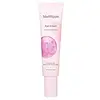
This anti-aging eye moisturizer is formulated around Niacinamide and Palmitoyl Tripeptide-5 to soften the look of wrinkles.
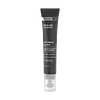
This anti-aging eye moisturizer is formulated around Palmitoyl Tripeptide-38 and Palmitoyl Tripeptide-5 to soften the look of wrinkles and refine skin texture.

What's inside
What's inside
 Key Ingredients
Benefits
Concerns
Ingredients Side-by-side
Water
Skin ConditioningCaprylic/Capric Triglyceride
Masking


Butyrospermum Parkii Butter
Skin Conditioning




Niacinamide
Smoothing










Palmitoyl Tripeptide-5
Skin Conditioning
Panthenol
Skin Conditioning
Sodium Hyaluronate
Humectant
Glyceryl Stearate
Emollient
Glycerin
Humectant
Hydroxypropyl Cyclodextrin
MaskingPalmitoyl Tripeptide-38
Skin Conditioning
Polyglyceryl-2 Stearate
Emulsifying
Stearyl Alcohol
Emollient
Glycine Soja Protein
EmulsifyingHydrolyzed Rice Protein
Skin ConditioningSuperoxide Dismutase
Antioxidant
Ascorbic Acid
Antioxidant
Squalane
Emollient
Caffeine
Skin Conditioning
Hesperidin
EmollientGlycyrrhiza Glabra Root Extract
Bleaching
Isopropyl Palmitate
Emollient
Argania Spinosa Kernel Oil
Emollient
Opuntia Ficus-Indica Stem Extract
Skin Conditioning
Microcrystalline Cellulose
AbsorbentCellulose Gum
Emulsion StabilisingTocopherol
Antioxidant
Chamomilla Recutita Flower Extract
Masking
Phenethyl Alcohol
MaskingCaprylyl Glycol
Emollient
Ethylhexylglycerin
Skin ConditioningPunica Granatum Seed Oil
Emollient
Xanthan Gum
EmulsifyingCamellia Sinensis Extract
Antioxidant
Citrus Aurantifolia Peel Extract
Cleansing
Ceramide NP
Skin Conditioning
Water, Caprylic/Capric Triglyceride, Butyrospermum Parkii Butter, Niacinamide, Palmitoyl Tripeptide-5, Panthenol, Sodium Hyaluronate, Glyceryl Stearate, Glycerin, Hydroxypropyl Cyclodextrin, Palmitoyl Tripeptide-38, Polyglyceryl-2 Stearate, Stearyl Alcohol, Glycine Soja Protein, Hydrolyzed Rice Protein, Superoxide Dismutase, Ascorbic Acid, Squalane, Caffeine, Hesperidin, Glycyrrhiza Glabra Root Extract, Isopropyl Palmitate, Argania Spinosa Kernel Oil, Opuntia Ficus-Indica Stem Extract, Microcrystalline Cellulose, Cellulose Gum, Tocopherol, Chamomilla Recutita Flower Extract, Phenethyl Alcohol, Caprylyl Glycol, Ethylhexylglycerin, Punica Granatum Seed Oil, Xanthan Gum, Camellia Sinensis Extract, Citrus Aurantifolia Peel Extract, Ceramide NP
Water
Skin ConditioningCyclopentasiloxane
Emollient
Butylene Glycol
Humectant
Pentylene Glycol
Skin Conditioning
Tapioca Starch
Methyl Gluceth-20 Benzoate
EmollientGlycerin
Humectant
Dimethicone
Emollient
Cyclohexasiloxane
Emollient
Polysilicone-11
Palmitoyl Tripeptide-38
Skin Conditioning
Caprooyl Tetrapeptide-3
Skin Protecting
Palmitoyl Tripeptide-5
Skin Conditioning
Niacinamide
Smoothing
Phospholipids
Skin Conditioning
Hyaluronic Acid
Humectant
Sodium Hyaluronate
Humectant
Vitis Vinifera Seed Extract
Antimicrobial
Panthenol
Skin Conditioning
Salix Alba Extract
Skin ConditioningCamellia Sinensis Leaf Extract
Antimicrobial
Adenosine
Skin Conditioning
Glycyrrhiza Glabra Root Extract
Bleaching
Pisum Sativum Extract
Skin ConditioningPolyacrylate Crosspolymer-6
Emulsion StabilisingDunaliella Salina Extract
Skin ConditioningHydroxypropyl Cyclodextrin
MaskingDextran
Polysorbate 20
Emulsifying
Ammonium Acryloyldimethyltaurate/Vp Copolymer
Disodium EDTA
Phenoxyethanol
Preservative
Water, Cyclopentasiloxane, Butylene Glycol, Pentylene Glycol, Tapioca Starch, Methyl Gluceth-20 Benzoate, Glycerin, Dimethicone, Cyclohexasiloxane, Polysilicone-11, Palmitoyl Tripeptide-38, Caprooyl Tetrapeptide-3, Palmitoyl Tripeptide-5, Niacinamide, Phospholipids, Hyaluronic Acid, Sodium Hyaluronate, Vitis Vinifera Seed Extract, Panthenol, Salix Alba Extract, Camellia Sinensis Leaf Extract, Adenosine, Glycyrrhiza Glabra Root Extract, Pisum Sativum Extract, Polyacrylate Crosspolymer-6, Dunaliella Salina Extract, Hydroxypropyl Cyclodextrin, Dextran, Polysorbate 20, Ammonium Acryloyldimethyltaurate/Vp Copolymer, Disodium EDTA, Phenoxyethanol
Ingredients Explained
These ingredients are found in both products.
Ingredients higher up in an ingredient list are typically present in a larger amount.
Glycerin (or glycerol) is a compound naturally found in your skin. It's a powerhouse humectant that pulls water into the stratum corneum.
Topically, glycerin does several things at once:
Your skin makes glycerin on its own (mostly from sebaceous oil breakdown) and shuttles it to your outermost layer of skin, or your epidermis, via aquaporin-3.
Aquaporin-3 is a transporter that is essential for normal skin hydration, elasticity, and repair. Interestingly, mice lacking in AQP3 have dry and less elastic skin that can be fully corrected with glycerin.
This ingredient is non-irritating, plays well with almost every ingredient, and works across all skin types. Typical use is anywhere between 3-10% but can go up to 79% in some leave-on products.
Just know very high concentrations (>40%) can feel tacky in low humidity.
Glycerin is the name for this ingredient in American English. British English uses Glycerol/Glycerine.
Learn more about GlycerinGlycyrrhiza Glabra Root Extract is an extract of the roots of Licorice. It has been found to have several benefits such as skin hydrating, conditioning, and soothing.
One component, glabridin, has extra potent antioxidant and soothing properties. It has also been found to block pigmentation from UVB rays in guinea pigs.
Licorice Root also contains a flavonoid. Flavonoids are a natural substance from in plants. Flavonoids also have antioxidant properties.
Another component, glycyrrhizin, has been found to have anti-inflammatory and antimicrobial benefits. This may make licorice root extract effective at treating acne. However, more research is needed to support this.
Liquiritin is one of the flavone compounds found in licorice. It has been found to help lighten skin by preventing tyrosinase from reacting with tyrosine. When the two react, protein is converted to melanin. Melanin is the substance in your body that gives your features pigmentation.
Learn more about Glycyrrhiza Glabra Root ExtractThis ingredient is used in skincare as a delivery system.
It works by "encapsulating" active ingredients with its unique ring shape that is water-loving on the outside and oil-loving on the inside. This improves the stability and absorption of the product into the skin.
According to a manufacturer, it also offer some moisturizing effects.
Learn more about Hydroxypropyl CyclodextrinNiacinamide is a multitasking form of vitamin B3 that strengthens the skin barrier, reduces pores and dark spots, regulates oil, and improves signs of aging.
And the best part? It's gentle and well-tolerated by most skin types, including sensitive and reactive skin.
You might have heard of "niacin flush", or the reddening of skin that causes itchiness. Niacinamide has not been found to cause this.
In very rare cases, some individuals may not be able to tolerate niacinamide at all or experience an allergic reaction to it.
If you are experiencing flaking, irritation, and dryness with this ingredient, be sure to double check all your products as this ingredient can be found in all categories of skincare.
When incorporating niacinamide into your routine, look out for concentration amounts. Typically, 5% niacinamide provides benefits such as fading dark spots. However, if you have sensitive skin, it is better to begin with a smaller concentration.
When you apply niacinamide to your skin, your body converts it into nicotinamide adenine dinucleotide (NAD). NAD is an essential coenzyme that is already found in your cells as "fuel" and powers countless biological processes.
In your skin, NAD helps repair cell damage, produce new healthy cells, support collagen production, strengthen the skin barrier, and fight environmental stressors (like UV and pollution).
Our natural NAD levels start to decline with age, leading to slower skin repair, visible aging, and a weaker skin barrier. By providing your skin niacinamide, you're recharging your skin's NAD levels. This leads to stronger, healthier, and younger looking skin.
Another name for vitamin B3 is nicotinamide. This vitamin is water-soluble and our bodies don't store it. We obtain Vitamin B3 from either food or skincare. Meat, fish, wheat, yeast, and leafy greens contain vitamin B3.
The type of niacinamide used in skincare is synthetically created.
Learn more about NiacinamideThis synthetic, signal peptide has unique skin conditioning properties in that is a matrikine-mimetic compound.
First of all, Palmitoyl Tripeptide-38 is a signal peptide; signal peptides tell the body to create more collagen.
What is a matrikine-mimetic compound?
This peptide has the ability to mimic matrikines in skin. Our skin created matrikines by breaking down matrix proteins into peptides.
Matrikines play a role in:
Though further research is needed, this ingredient seems pretty promising. In one study, women over the age of 40 with visible photoaging used a vitamin C serum with this ingredient for 56 days (15% ascorbid acid, 5 ppm palmitoyl tripeptide‐38). The results found improvement in skin roughness and skin tone.
This peptide is also part of the famous Matrixyl synthe’6, a blend of ingredients that also includes glycerin, water, and hydroxypropyl cyclodextrin.
Learn more about Palmitoyl Tripeptide-38Palmitoyl Tripeptide-5 is a synthetic signal lipopeptide. This just means it is a three amino acid chain bolted onto a palmitic acid tail so it can slip through the skin's lipid barrier.
This peptide has a "build more, lose less" approach.
It's designed to mimic the collagen-stimulating activity in your skin by copying a snippet of one of your skin's own matrix proteins. This nudges fibroblasts into making more collagen while inhibiting the enzyme that breaks down skin protein.
The manufacturer's in vivo study of 45 volunteers found 1% and 2.5% reduced the appearance of wrinkles by 7% and 12% respectively, after using it twice daily for 84 days.
This is in the expected range for peptides; they're slow and cumulative actives and not overnight fixers.
Typical use levels range from 1-3% and this ingredient gets along with pretty much everything.
On the fungal acne front:
Although palmitic acid sits in the chain length that Malassezia can feed on, this ingredient has it locked in an amine bond. This makes it hard for Malassezia to access as a source of food, and therefore fungal acne safe.
Panthenol is a common ingredient that helps hydrate and soothe the skin. It is found naturally in our skin and hair.
There are two forms of panthenol: D and L.
D-panthenol is also known as dexpanthenol. Most cosmetics use dexpanthenol or a mixture of D and L-panthenol.
Panthenol is famous due to its ability to go deeper into the skin's layers. Using this ingredient has numerous pros (and no cons):
Like hyaluronic acid, panthenol is a humectant. Humectants are able to bind and hold large amounts of water to keep skin hydrated.
This ingredient works well for wound healing. It works by increasing tissue in the wound and helps close open wounds.
Once oxidized, panthenol converts to pantothenic acid. Panthothenic acid is found in all living cells.
This ingredient is also referred to as pro-vitamin B5.
Learn more about PanthenolSodium Hyaluronate is the salt form of hyaluronic acid. It is a long sugar chain that is naturally found in your skin, joints, and connective tissue that maintains hydration and elasticity.
In skincare, it works as a humectant. It pulls water from the environment and deeper layers of skin and binds it to the surface.
Interestingly, the size of the molecule affects its behavior:
Some clinical evidence links low molecular weight versions to improved wrinkle depth, elasticity, anti-inflammatory effects, and barrier repair.
Many serums use a blend of both weights so you can get surface hydration plus longer-lasting and deeper effects.
You'll typically see concentrations between 0.1-2% for this ingredient.
Learn more about Sodium HyaluronateWater. It's the most common cosmetic ingredient of all. You'll usually see it at the top of ingredient lists, meaning that it makes up the largest part of the product.
So why is it so popular? Water most often acts as a solvent - this means that it helps dissolve other ingredients into the formulation.
You'll also recognize water as that liquid we all need to stay alive. If you see this, drink a glass of water. Remember to stay hydrated!
Learn more about Water

