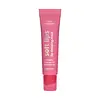
This hydrating lip mask is formulated around Caprylic/Capric Triglyceride and Butyrospermum Parkii Butter to hydrate lips and strengthen the lip barrier.
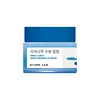
This barrier-repair lip moisturizer is formulated around Squalane and Simmondsia Chinensis Seed Oil to strengthen the lip barrier and hydrate lips.


What's inside
What's inside
 Key Ingredients
Benefits
Concerns
Ingredients Side-by-side
Diisostearyl Malate
EmollientPolyisobutene
Caprylic/Capric Triglyceride
Masking


Microcrystalline Wax
Emulsion StabilisingButyrospermum Parkii Butter
Skin Conditioning




Euphorbia Cerifera Wax
Phenoxyethanol
Preservative
Titanium Dioxide
Cosmetic Colorant

Parfum
Masking


Tocopheryl Acetate
Antioxidant


Simmondsia Chinensis Seed Oil
Emollient

Macadamia Ternifolia Seed Oil
Emollient
Olea Europaea Fruit Oil
Masking
CI 15985
Cosmetic ColorantCI 15850
Cosmetic ColorantLinalool
Perfuming
Aluminum Hydroxide
EmollientLimonene
Perfuming
Cinnamal
Perfuming
Eugenol
Perfuming
Citral
Perfuming
Diisostearyl Malate, Polyisobutene, Caprylic/Capric Triglyceride, Microcrystalline Wax, Butyrospermum Parkii Butter, Euphorbia Cerifera Wax, Phenoxyethanol, Titanium Dioxide, Parfum, Tocopheryl Acetate, Simmondsia Chinensis Seed Oil, Macadamia Ternifolia Seed Oil, Olea Europaea Fruit Oil, CI 15985, CI 15850, Linalool, Aluminum Hydroxide, Limonene, Cinnamal, Eugenol, Citral
Polyglyceryl-2 Isostearate/Dimer Dilinoleate Copolymer
EmollientPolyglyceryl-2 Triisostearate
Emulsifying
Squalane
Emollient
Triisostearin
Skin Conditioning
Ceresin
Emulsion StabilisingMicrocrystalline Wax
Emulsion StabilisingTocopheryl Acetate
Antioxidant
Simmondsia Chinensis Seed Oil
Emollient
Macadamia Ternifolia Seed Oil
Emollient
Prunus Amygdalus Dulcis Oil
Skin Conditioning
Argania Spinosa Kernel Oil
Emollient


Olea Europaea Fruit Oil
Masking
Dehydroacetic Acid
Preservative
Dimethicone
Emollient
Melia Azadirachta Leaf Extract
Skin ConditioningMelia Azadirachta Flower Extract
Skin ConditioningCoccinia Indica Fruit Extract
Skin Conditioning
Aloe Barbadensis Flower Extract
EmollientSolanum Melongena Fruit Extract
Skin ConditioningWater
Skin ConditioningBetula Platyphylla Japonica Juice
Skin Conditioning
Glyceryl Glucoside
Humectant
Curcuma Longa Root Extract
Antioxidant
Butylene Glycol
Humectant
Corallina Officinalis Extract
Skin Conditioning
Ocimum Sanctum Leaf Extract
Skin ConditioningArginine
Masking
Caprylic Acid
CleansingGlycerin
Humectant
1,2-Hexanediol
Skin Conditioning
Sodium Hyaluronate
Humectant
Betulin
Skin ConditioningHydrolyzed Hyaluronic Acid
Humectant
Hyaluronic Acid
Humectant
Ascorbic Acid
Antioxidant

Polyglyceryl-2 Isostearate/Dimer Dilinoleate Copolymer, Polyglyceryl-2 Triisostearate, Squalane, Triisostearin, Ceresin, Microcrystalline Wax, Tocopheryl Acetate, Simmondsia Chinensis Seed Oil, Macadamia Ternifolia Seed Oil, Prunus Amygdalus Dulcis Oil, Argania Spinosa Kernel Oil, Olea Europaea Fruit Oil, Dehydroacetic Acid, Dimethicone, Melia Azadirachta Leaf Extract, Melia Azadirachta Flower Extract, Coccinia Indica Fruit Extract, Aloe Barbadensis Flower Extract, Solanum Melongena Fruit Extract, Water, Betula Platyphylla Japonica Juice, Glyceryl Glucoside, Curcuma Longa Root Extract, Butylene Glycol, Corallina Officinalis Extract, Ocimum Sanctum Leaf Extract, Arginine, Caprylic Acid, Glycerin, 1,2-Hexanediol, Sodium Hyaluronate, Betulin, Hydrolyzed Hyaluronic Acid, Hyaluronic Acid, Ascorbic Acid
Reviews
Ingredients Explained
These ingredients are found in both products.
Ingredients higher up in an ingredient list are typically present in a larger amount.
This ingredient is also known as Macadamia Seed Oil. It's an emollient with a fatty acid profile that closely mirrors the skin's own lipid makeup.
The palmitoleic acid content is especially notable as it's somewhat rare in plant oils. Palmitoleic acid is something your skin already makes naturally. It helps keep cell membranes structured and plays a role in fighting off harmful microbes.
This palmitoleic content is also part of why macademia seed oil absorbs quickly and doesn't leave much of a greasy residue.
It also contains oleic acid, linoleic acid, and phytosterols that can help reduce redness.
In vitro research has shown the oil to have meaningful antioxidant activity, protect fats in the skin from oxidative damage, and slow down the enzyme that breaks down hyaluronic acid.
A 2024 clinical study found it effective at improving skin hydratino and reducing wrinkle appearance when formulated into nanoemulsions.
Because it carries oleic acid (C18) and palmitic acid (C16), this ingredient may not be fungal acne safe. This is because the Malassezia yeast metabolizes in the C11-24 chain length range.
You'll also see this ingredient listed as: Macadamia Integrifolia Seed Oil .
These two oils are identical in composition and M. ternifolia is an older INCI naming convention for the edible macadamia nut while M. integrifolia is the species actually cultivated for oil production. Both names refer to the same oil.
Learn more about Macadamia Ternifolia Seed OilMicrocrystalline Wax is derived from petroleum through a de-oiling process, then highly refined and purified before use in cosmetics.
In skincare formulations, it is used to improve texture and create a smooth, even consistency. It also helps stabilize products by preventing ingredients from separating.
This ingredient is also known as olive oil. It has been used in skincare for centuries and science largely backs up its reputation as a nourishing emollient.
The main components of olive oil are oleic acid (55-83%), linoleic acid (3.5-20%), and palmitic acid (7-20%). Oleic acid promotes skin regeneration and helps regulate inflammatory responses.
Squalene is also naturally present in olive oil and exhibits moisturizing and antioxidant properties.
The polyphenols in olive oil also show anti-aging promise; one clinical study found a measurable improvement in skin appearance after 30 days of topical serum use.
Just be aware that applying olive oil directly to skin can weaken the barrier and cause redness. One study with volunteers found even people without sensitive skin experienced a significant reduction in stratum corneum integrity and induced mild erythema.
It's best to use this ingredient as part of a carefully crafted formula (instead of putting it on skin directly from the bottle).
Because it has a 0-2 on the comedogenic scale, it is low risk for acne-prone skin. Just remember the overall formulation of a product matters more than a few ingredients with comedogenic ratings.
This ingredient may not be fungal acne safe because of the oleic and palmitic acid content. These fall within the C11-24 fatty acid range that the Malassezia yeast can metabolize to grow.
Overall, olive oil is a well-studied and nourishing skincare ingredient.
Learn more about Olea Europaea Fruit OilJojoba oil is one of the most well-studied plant-derived ingredients in cosmetics. It is an emollient with a special structure.
Because it is made up of 97-98% wax esters, it closely mirrors the linear monoesters found in human sebum. This makes it skin compatible, non-greasy, and lightweight.
Unlike other plant oils, jojoba wax doesn't easily penetrate skin. It mostly works in the uppermost layers as an emollient. This just means it forms a light barrier on the skin to help retain moisture.
Formulations with jojoba esters up to 90% reduced transepidermal water loss (TEWL) and increased barrier recovery by 81% (outperforming bisabolol at 47%).
Besides barrier support, the science also suggests jojoba to have anti-inflammatory effects and potential applications for skin infections, aging, and wound healing.
Fun fact: Indigenous cultures have used jojoba as a moisturizer and to help treat burns for centuries.
Fungal acne: The Malassezia yeast is known to metabolize fatty acids in the C11-24 range and jojoba's dominant fatty acid components fall into this range. This ingredient may not be fungal acne safe.
Learn more about Simmondsia Chinensis Seed OilTocopheryl Acetate is a stable, shelf-friendly form of vitamin E.
Formulators love it because plain vitamin E oxidizes quickly once it hits air. This acetate version stays stable and resists going off, helping to extend a product's shelf life.
It's actually inactive on its own and works like a slow-release "storage" form; the enzymes in your skin called esterases gradually convert it into active vitamin E over time.
One in vivo study showed 5% of the acetate in the living layer of the epidermis converted to vitamin E after 5 days of application. This study also found the skin gained protection against UV damage even though the conversion was slow and small.
Once converted, vitamin E acts as a skin's main fat-soluble antioxidant that fights free radicals to protect skin from damage.
Topical vitamin E generally boosts the skin's photoprotection, and it reduced UV-damage in animal models.
This ingredient has some brightening potential but it's more of a prevention ingredient than spot-fader. Cell studies show it can slow down melanin production but it's worth noting that it's not the most powerful brightener out there.
Overall, it has a pretty solid safety profile and has been found to be non-irritating and non-comedogenic. Allergic reactions may happen but stay rare due to how widely the ingredient gets used.
The concentration will vary depending on the formula; industry data shows 0.1% in baby lotions, 3% in lipsticks, and 5% in foot powders. You can also find this ingredient at 100% in a pure vitamin E oil.
Most leave-on skincare keeps it at the lower end, often between 0.5-1%.
Learn more about Tocopheryl Acetate

