Luxe Organix First Cleanse Deep Cleansing Oil Versus Luxe Organix High Protection Perfecting UV Tint Serum Sunscreen SPF 50 PA +++
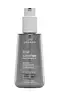
This oil-based makeup remover is made to dissolve makeup, sunscreen, and daily buildup.
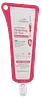
This hybrid sunscreen covers the full UV range and blocks ~98% of UVB at SPF 50.

What's inside
What's inside
 Key Ingredients
No key ingredients
Benefits
Concerns
Ingredients Side-by-side
Caprylic/Capric Triglyceride
Masking


Octyldodecanol
Emollient
PEG-20 Glyceryl Triisostearate
Emollient

Oryza Sativa Bran Oil
Emollient


Vitis Vinifera Seed Oil
Emollient
Decyl Glucoside
Cleansing
Water
Skin ConditioningPhenoxyethanol
Preservative
Parfum
Masking



Octyldodecyl Myristate
EmollientHumulus Lupulus Extract
AntimicrobialZea Mays Oil
Emulsifying
Daucus Carota Sativa Root Extract
Skin Conditioning
Lithospermum Officinale Root Extract
Skin ConditioningCaprylic/Capric Triglyceride, Octyldodecanol, PEG-20 Glyceryl Triisostearate, Oryza Sativa Bran Oil, Vitis Vinifera Seed Oil, Decyl Glucoside, Water, Phenoxyethanol, Parfum, Octyldodecyl Myristate, Humulus Lupulus Extract, Zea Mays Oil, Daucus Carota Sativa Root Extract, Lithospermum Officinale Root Extract
Water
Skin ConditioningCyclopentasiloxane
Emollient
Ethylhexyl Methoxycinnamate
UV Absorber

C12-15 Alkyl Benzoate
AntimicrobialTitanium Dioxide
Cosmetic Colorant
Butylene Glycol
Humectant
4-Methylbenzylidene Camphor
UV Absorber
Glycereth-26
Humectant
Niacinamide
Smoothing








Cetyl PEG/PPG-10/1 Dimethicone
Emulsifying
Methylene Bis-Benzotriazolyl Tetramethylbutylphenol
UV Filter
Caprylic/Capric Triglyceride
Masking
Phenyl Trimethicone
Skin Conditioning
Ascorbic Acid
Antioxidant

Lauryl PEG-9 Polydimethylsiloxyethyl Dimethicone
Skin Conditioning
Disteardimonium Hectorite
StabilisingSodium Chloride
MaskingMethyl Methacrylate Crosspolymer
CI 77492
Cosmetic ColorantDecyl Glucoside
Cleansing
CI 77491
Cosmetic ColorantCI 77499
Cosmetic ColorantDimethicone/Vinyl Dimethicone Crosspolymer
Skin Conditioning
Dimethicone
Emollient
Polyepsilon-Lysine
Skin ConditioningAdenosine
Skin Conditioning
Disodium EDTA
ChelatingTriethoxycaprylylsilane
1,2-Hexanediol
Skin Conditioning
Propylene Glycol
Humectant
Quartz
Abrasive
Xanthan Gum
EmulsifyingSodium Hyaluronate
Humectant
BHT
Antioxidant
Tocopherol
Antioxidant
Hydrolyzed Collagen
Emollient
Centella Asiatica Extract
Cleansing
Pentylene Glycol
Skin Conditioning
Chrysanthemum Indicum Flower Extract
Skin Conditioning
Chrysanthemum Morifolium Flower Extract
Skin ConditioningCamellia Japonica Flower Extract
EmollientPrunus Mume Flower Extract
Skin ConditioningMagnolia Kobus Branch/Flower/Leaf Extract
Skin ConditioningPrunus Serrulata Flower Extract
Skin ConditioningNelumbo Nucifera Flower Extract
Skin ConditioningLonicera Japonica Flower Extract
Skin ConditioningCarthamus Tinctorius Flower Extract
Skin ConditioningLilium Tigrinum Extract
Skin ConditioningSodium Hyaluronate Crosspolymer
Humectant
Hydrolyzed Hyaluronic Acid
Humectant
Hyaluronic Acid
Humectant
Ethylhexylglycerin
Skin ConditioningHydrolyzed Sodium Hyaluronate
Skin Conditioning
Water, Cyclopentasiloxane, Ethylhexyl Methoxycinnamate, C12-15 Alkyl Benzoate, Titanium Dioxide, Butylene Glycol, 4-Methylbenzylidene Camphor, Glycereth-26, Niacinamide, Cetyl PEG/PPG-10/1 Dimethicone, Methylene Bis-Benzotriazolyl Tetramethylbutylphenol, Caprylic/Capric Triglyceride, Phenyl Trimethicone, Ascorbic Acid, Lauryl PEG-9 Polydimethylsiloxyethyl Dimethicone, Disteardimonium Hectorite, Sodium Chloride, Methyl Methacrylate Crosspolymer, CI 77492, Decyl Glucoside, CI 77491, CI 77499, Dimethicone/Vinyl Dimethicone Crosspolymer, Dimethicone, Polyepsilon-Lysine, Adenosine, Disodium EDTA, Triethoxycaprylylsilane, 1,2-Hexanediol, Propylene Glycol, Quartz, Xanthan Gum, Sodium Hyaluronate, BHT, Tocopherol, Hydrolyzed Collagen, Centella Asiatica Extract, Pentylene Glycol, Chrysanthemum Indicum Flower Extract, Chrysanthemum Morifolium Flower Extract, Camellia Japonica Flower Extract, Prunus Mume Flower Extract, Magnolia Kobus Branch/Flower/Leaf Extract, Prunus Serrulata Flower Extract, Nelumbo Nucifera Flower Extract, Lonicera Japonica Flower Extract, Carthamus Tinctorius Flower Extract, Lilium Tigrinum Extract, Sodium Hyaluronate Crosspolymer, Hydrolyzed Hyaluronic Acid, Hyaluronic Acid, Ethylhexylglycerin, Hydrolyzed Sodium Hyaluronate
Reviews
Ingredients Explained
These ingredients are found in both products.
Ingredients higher up in an ingredient list are typically present in a larger amount.
Caprylic/Capric Triglyceride (aka MCT Oil) is a lightweight emollient, solvent, and texture enhancer. It is considered a skin-softener by helping to prevent moisture loss.
Though it behaves like an oil, it is not technically one due to its chemical composition. One perk of this ingredient is that it is very stable, resistant to oxidation, and unlikely to go rancid.
In practice, that translates to a long shelf life and a consistently elegant skin feel.
While there is an assumption Caprylic Triglyceride can clog pores due to it being derived from coconut oil, there is no research supporting this. Just patch test if you have concerns.
Fractionated coconut oil and MCT Oil are both listed as Caprylic/Capric Triglyceride according to INCI. This is because INCI names are based on the ingredient’s final chemical composition and not its marketing name or source.
This ingredient is treated as the gold standard fungal acne safe oil. Even though it is coconut derived, the problematic lauric acid is stripped out.
This leaves just caprylic (C8) and capric (C10) acid. These chain lengths actually trend antifungal; a 2020 study found caprylic acid was enough to disrupt Malassezia furfur cell membrane, with a caprylic acid derivative damaging membrane structures at concentrations as low as 0.2%.
Learn more about Caprylic/Capric TriglycerideDecyl Glucoside is a plant-derived surfactant and emulsion stabilizer. It is created by reacting glucose with the fatty acids from plants.
Like all surfactants, it works by lowering the surface tension between water and oil. This makes it so that dirt, sebum, and makeup can be lifted off your skin and rinsed away. It also produces a dense and creamy foam.
Because it has a neutral charge, it is compatible with a wide range of ingredients and stays stable across a broad pH range/water hardiness conditions.
Patch testing has shown it to have the lowest irritation potential among common cleansing surfactants (like SLS).
Typical use levels range from 5-20% in rinse-off cleansers.
One thing worth knowing: The American Contact Dermatitis Society named the parent family, alkyl glucosides, "Allergen of the Year" in 2017. The prevalence of allergy is pretty low but be sure to patch test if you've reacted to "gentle" or sulfate-free cleansers before.
This ingredient is fungal acne safe because the fatty alcohol portion of this ingredient is not within the C11-24 chain length that Malassezia can metabolize.
Learn more about Decyl GlucosideWater. It's the most common cosmetic ingredient of all. You'll usually see it at the top of ingredient lists, meaning that it makes up the largest part of the product.
So why is it so popular? Water most often acts as a solvent - this means that it helps dissolve other ingredients into the formulation.
You'll also recognize water as that liquid we all need to stay alive. If you see this, drink a glass of water. Remember to stay hydrated!
Learn more about Water

