

What's inside
What's inside
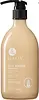 Key Ingredients
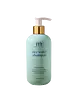
No key ingredients
Benefits
Concerns
Ingredients Side-by-side
Water
Skin ConditioningRice Ferment Filtrate
Skin Conditioning

Cocamidopropyl Betaine
Cleansing



Sodium C14-16 Olefin Sulfonate
Cleansing
Sodium Cocoyl Isethionate
Cleansing
Glycerin
Humectant


Cocamide Methyl Mea
Foam Boosting
Disodium Laureth Sulfosuccinate
CleansingSodium Chloride
MaskingCoco-Glucoside
Cleansing
Cocamide Mipa
Emulsifying
Phenoxyethanol
Preservative
Acrylates Copolymer
Dimethiconol
Emollient
Disodium Cocoyl Glutamate
Cleansing
Glycol Distearate
Emollient
Sodium Benzoate
Masking
Coconut Acid
Cleansing
Cocos Nucifera Oil
Masking



Polyquaternium-10
Citric Acid
Buffering

Amodimethicone
Sodium Isethionate
CleansingDisodium EDTA
ChelatingRosmarinus Officinalis Leaf Oil
Masking
Zingiber Officinale Root Oil
Masking

Bifida Ferment Lysate
Skin Conditioning
Lactococcus Ferment
Skin ConditioningGlycol Stearate
Emollient
Laureth-23
Cleansing
Tea-Dodecylbenzenesulfonate
CleansingIsopropanolamine
BufferingPropylene Glycol
Humectant
Hydrolyzed Keratin
Humectant
Cetrimonium Chloride
Antimicrobial
Trideceth-12
EmulsifyingPanthenol
Skin Conditioning
Stearic Acid
Cleansing
Ethylhexylglycerin
Skin ConditioningSodium PCA
Humectant
1,2-Hexanediol
Skin Conditioning
Sodium Lactate
Buffering
Butylene Glycol
Humectant
Hydroxyacetophenone
Antioxidant
Arginine
Masking
Aspartic Acid
Masking
Caffeine
Skin Conditioning
Citrus Nobilis Peel Extract
Masking
Cyclodextrin
AbsorbentPCA
Humectant
Zingiber Officinale Root Extract
Masking
Glycine
Buffering
Alanine
Masking
Serine
Masking
Valine
MaskingIsoleucine
Skin ConditioningProline
Skin Conditioning
Threonine
Histidine
Humectant
Phenylalanine
Masking
Biotin
AntiseborrhoeicWater, Rice Ferment Filtrate, Cocamidopropyl Betaine, Sodium C14-16 Olefin Sulfonate, Sodium Cocoyl Isethionate, Glycerin, Cocamide Methyl Mea, Disodium Laureth Sulfosuccinate, Sodium Chloride, Coco-Glucoside, Cocamide Mipa, Phenoxyethanol, Acrylates Copolymer, Dimethiconol, Disodium Cocoyl Glutamate, Glycol Distearate, Sodium Benzoate, Coconut Acid, Cocos Nucifera Oil, Polyquaternium-10, Citric Acid, Amodimethicone, Sodium Isethionate, Disodium EDTA, Rosmarinus Officinalis Leaf Oil, Zingiber Officinale Root Oil, Bifida Ferment Lysate, Lactococcus Ferment, Glycol Stearate, Laureth-23, Tea-Dodecylbenzenesulfonate, Isopropanolamine, Propylene Glycol, Hydrolyzed Keratin, Cetrimonium Chloride, Trideceth-12, Panthenol, Stearic Acid, Ethylhexylglycerin, Sodium PCA, 1,2-Hexanediol, Sodium Lactate, Butylene Glycol, Hydroxyacetophenone, Arginine, Aspartic Acid, Caffeine, Citrus Nobilis Peel Extract, Cyclodextrin, PCA, Zingiber Officinale Root Extract, Glycine, Alanine, Serine, Valine, Isoleucine, Proline, Threonine, Histidine, Phenylalanine, Biotin
Oryza Sativa Extract
Absorbent
Water
Skin ConditioningBiotin
AntiseborrhoeicCaffeine
Skin Conditioning
Rosmarinus Officinalis Leaf Oil
Masking
Zingiber Officinale Root Oil
Masking
Butylene Glycol
Humectant
Sodium Lauroyl Collagen Amino Acids
Cleansing
Sodium Cocoyl Amino Acids
Cleansing
Sodium Taurine Cocoyl Methyltaurate
Cleansing
Sodium Sarcosinate
Sodium Cocoyl Glycinate
Cleansing
Sodium Lauroyl Glutamate
SurfactantSodium Chloride
MaskingHydrolyzed Keratin
Humectant
Zingiber Officinale Root Extract
Masking
Panthenol
Skin Conditioning
Serine
Masking
Guar Hydroxypropyltrimonium Chloride
Skin ConditioningDimethicone
Emollient
Phenoxyethanol
Preservative
Ethylhexylglycerin
Skin ConditioningPolyquaternium-10
Citric Acid
Buffering
Sodium Citrate
BufferingOryza Sativa Extract, Water, Biotin, Caffeine, Rosmarinus Officinalis Leaf Oil, Zingiber Officinale Root Oil, Butylene Glycol, Sodium Lauroyl Collagen Amino Acids, Sodium Cocoyl Amino Acids, Sodium Taurine Cocoyl Methyltaurate, Sodium Sarcosinate, Sodium Cocoyl Glycinate, Sodium Lauroyl Glutamate, Sodium Chloride, Hydrolyzed Keratin, Zingiber Officinale Root Extract, Panthenol, Serine, Guar Hydroxypropyltrimonium Chloride, Dimethicone, Phenoxyethanol, Ethylhexylglycerin, Polyquaternium-10, Citric Acid, Sodium Citrate
Ingredients Explained
These ingredients are found in both products.
Ingredients higher up in an ingredient list are typically present in a larger amount.
Biotin is a B vitamin that is naturally produced by our bodies. It is also called Vitamin H.
Our bodies use biotin in the metabolism process. It also helps our bodies use enzymes and move nutrients around. A biotin deficiency can lead to brittle hair and nails.
More research is needed on applying biotin topically. However, taking biotin orally has been shown to help nourish the skin, hair, and nails. They play a role in forming skin-hydrating fatty acids.
Biotin is water-soluble. It can be found in foods such as fish, eggs, dairy, nuts, and meat. Vitamin H stands for "haar" and "haut". These are the German words for hair and skin.
Learn more about BiotinButylene Glycol (or BG) is used within cosmetic products for a few different reasons:
Overall, Butylene Glycol is a safe and well-rounded ingredient that works well with other ingredients.
Though this ingredient works well with most skin types, some people with sensitive skin may experience a reaction such as allergic rashes, closed comedones, or itchiness.
Learn more about Butylene GlycolCaffeine is a naturally occurring plant compound found in coffee beans, tea leaves, cocoa pods, and guarana.
As an antioxidant, caffeine protects your skin from free radical damage caused by UV exposure and envionrmnetal stressors.
Early research also shows that caffeine can help calm redness, soothe irritated skin, and support hair growth by stimulating microcirculation in the scalp.
You might have seen eye creams marketing caffeine as a depuffing ingredient. This is because it is a vasoconstrictor meaning it can temporarily constrict blood vessels, though clinical evidence for this specific use is still limited.
Most skincare products contain this ingredient at concentrations between 1-6%. It is able to penetrate skin easily regardless of skin type or thickness.
Just so you know, a very small number of case reports describe caffeine-induced allergy. This ingredient is generally well-tolerated, non-irritating, and non-sensitizing for the majority of people.
Learn more about CaffeineCitric Acid is an alpha hydroxy acid (AHA) naturally found in citrus fruits like oranges, lemons, and limes.
Like other AHAs, citric acid can exfoliate skin by breaking down the bonds that hold dead skin cells together. This helps reveal smoother and brighter skin underneath.
However, this exfoliating effect only happens at high concentrations (20%) which can be hard to find in cosmetic products.
Due to this, citric acid is usually included in small amounts as a pH adjuster. This helps keep products slightly more acidic and compatible with skin's natural pH.
In skincare formulas, citric acid can:
While it can provide some skin benefits, research shows lactic acid and glycolic acid are generally more effective and less irritating exfoliants.
Most citric acid used in skincare today is made by fermenting sugars (usually from molasses). This synthetic version is identical to the natural citrus form but easier to stabilize and use in formulations.
Rosacea skin has a lower threshold for acids generally, with 62.5% of rosacea subjects in one study reacting to lactic acid in a sting test. This is why we mark citric acid as a potential rosacea trigger.
However, this ingredient shows up as a pH adjuster or chelator at roughly 0.1-1% in many products. These low levels are unlikely to be an issue for rosacea skin and becomes a potential trigger at exfoliating concentrations (20%). Because everybody's skin is unique, we recommend a patch test if you are unsure.
Learn more about Citric AcidEthylhexylglycerin is created from glycerin. It is a multitasker ingredient that:
The CIR Expert Panel found minimal skin absorption or sensitization of any kind in a safety assessment. Though this ingredient is considered well-tolerated, a small number of cases of allergic dermatitis have been published since 2002. Just be sure to patch test if you are unsure.
Industry-reported use ranges from 8% in rinse-off products and 2% in leave-on formulations.
Learn more about EthylhexylglycerinHydrolyzed Keratin is derived from keratin. Keratin is a large protein that is naturally found in our hair and skin.
Studies show keratin is able to seal broken hair cuticles, helping to prevent split ends and breakage.
As a humectant, hydrolyzed keratin helps draw moisture from the air to your hair and skin. This helps keep your skin and hair hydrated.
Learn more about Hydrolyzed KeratinPanthenol is a common ingredient that helps hydrate and soothe the skin. It is found naturally in our skin and hair.
There are two forms of panthenol: D and L.
D-panthenol is also known as dexpanthenol. Most cosmetics use dexpanthenol or a mixture of D and L-panthenol.
Panthenol is famous due to its ability to go deeper into the skin's layers. Using this ingredient has numerous pros (and no cons):
Like hyaluronic acid, panthenol is a humectant. Humectants are able to bind and hold large amounts of water to keep skin hydrated.
This ingredient works well for wound healing. It works by increasing tissue in the wound and helps close open wounds.
Once oxidized, panthenol converts to pantothenic acid. Panthothenic acid is found in all living cells.
This ingredient is also referred to as pro-vitamin B5.
Learn more about PanthenolPhenoxyethanol is one of the most widely used preservatives in skincare (and for good reason!).
It has a large spectrum of antimicrobial activity and especially effective bacteria, yeast, and mold while only having a weak effect on your skin's natural microbiome.
On a cellular level, it disrupts the cell membranes of microbes by poking holes that make the cell leak. This shuts down the chemical reactions the microbe needs to make energy so it can no longer survive.
Another perk of this ingredient is that it stays functional across a wide pH range (3-10).
You'll often see it paired with boosters like Ethylhexylglycerin; one study showed that a 1:9 ratio of Ethylhexylglycerin to Phenoxyethanol damages bacterial membranes as effectively as doubling the Phenoxyethanol concentration on its own.
Typical use concentrations range from 0.3-1% depending on the formula, and this ingredient is capped at 1% int the EU.
Safety-wise, the fear mongering does not hold up to the evidence. The EU's Scientific Committee on Consumer Safety and FDA consider it safe as a preservative at up to 1%, including for children of all ages.
Adverse systemic effects only showed up in animal studies at exposures roughly 200x higher than what people get from cosmetics. And despite its very widespread use, this ingredient is a rare sensitizer and allergic reactions are uncommon.
Learn more about PhenoxyethanolPolyquaternium-10 is an ammonium salt of hydroxyethylcellulose. It is a white and granular powder used as a film-former and anti-static agent.
This ingredient is commonly found in hair conditioning products. According to a manufacturer, its positive charge makes it great for absorbing hair proteins. The manufacturer also states this ingredient helps with curl retention.
For haircare friends: this ingredient is not a silicone.
Learn more about Polyquaternium-10Rosmarinus Officinalis Leaf Oil is an essential oil also known as rosemary essential oil. In skincare, it is a skin conditioning agent and also acts as a natural fragrance that gives products a fresh/herby smell.
The oil is a mix of over 100 volatile compounds with 1,8-cineole, α-pinene, camphor, and verbenone usually leading the pack.
Lab studies credit this oil with antioxidant, anti-inflammatory, and antimicrobial activity. Some research even show rosemary compounds calming acne-related inflammation.
The Cosmetic Ingredient Review (CIR) has concluded rosemary-derived ingredients to be safe when formulated to be nonsensitizing.
Since this is a fragrant essential oil, the main concern is for fragrance-sensitive folks.
Learn more about Rosmarinus Officinalis Leaf OilSerine is a non-essential amino acid (your body makes it on its own!). It is a major player in your skin's natural moisturizing factor (NMF), or the water-loving molecules in your outermost layer of skin (stratum corneum) that keeps everything hydrated and happy.
Serine is one of your NMF's most abundant components that works as a skin-identical humectant. Its hydroxyl group grabs onto water molecules to boost hydration without any heaviness or occlusion.
Research on a hydrogel with serine confirmed this serine got delivered to your stratum corneum and demonstrated enhanced skin moisturization.
Interestingly serine also helps your skin produce filaggrin, a protein that keeps your skin barrier strong and used to create collagen.
Learn more about SerineChances are, you eat sodium chloride every day. Sodium Chloride is also known as table salt. This ingredient has many purposes in skincare: thickener, emulsifier, and exfoliator.
You'll most likely find this ingredient in cleansers where it is used to create a gel-like texture. As an emulsifier, it also prevents ingredients from separating.
You might see people debate whether Sodium Chloride is comedogenic, but there actually haven't been any comedogenic tests done on it. Either way, the overall formulation of a product matters a lot more than any single ingredient.
You might see this ingredient used in scrubs as a primary exfoliating ingredient.
Learn more about Sodium ChlorideWater. It's the most common cosmetic ingredient of all. You'll usually see it at the top of ingredient lists, meaning that it makes up the largest part of the product.
So why is it so popular? Water most often acts as a solvent - this means that it helps dissolve other ingredients into the formulation.
You'll also recognize water as that liquid we all need to stay alive. If you see this, drink a glass of water. Remember to stay hydrated!
Learn more about WaterZingiber Officinale is more commonly known as ginger.
Ginger root has antioxidant, anti-inflammation, and antimicrobial properties.
The antioxidant properties help protect your body from free-radicals. Free-radicals are molecules that may damage your skin cells. As a result, ginger may help slow down signs of aging such as hyperpigmentation and wrinkles.
Studies show ginger inhibits the enzyme that breaks down collagen. It also helps with:
This ingredient has no negative side-effects and is safe to use unless one has a specific allergy to it.
Ginger originates from Southeast Asia but has spread throughout the world. It is now a common spice used in many cultures.
Learn more about Zingiber Officinale Root ExtractZingiber Officinale is more commonly known as ginger.
Studies show the ginger root has antioxidant, anti-inflammation, and antimicrobial properties.
The antioxidant properties help protect your body from free-radicals. Free-radicals are molecules that may damage your skin cells. As a result, ginger may help slow down signs of aging such as hyperpigmentation and wrinkles.
Ginger originates from Southeast Asia but has spread throughout the world. It is now a common spice used in many cultures.
Learn more about Zingiber Officinale Root Oil

