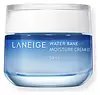
This barrier-repair moisturizer is formulated around Squalane and Saccharide Isomerate to strengthen the skin barrier and hydrate skin.
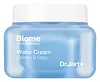
This barrier-repair moisturizer is formulated around Niacinamide and Hyaluronic Acid to strengthen the skin barrier and hydrate skin.

What's inside
What's inside
 Key Ingredients
Benefits
Concerns
Ingredients Side-by-side
Water
Skin ConditioningGlycerin
Humectant


Propanediol
Solvent
Squalane
Emollient
Methyl Trimethicone
Skin Conditioning
Pentaerythrityl Tetraethylhexanoate
Emollient
Dicaprylyl Ether
Emollient
Sucrose Polystearate
Emollient1,2-Hexanediol
Skin Conditioning
Stearic Acid
Cleansing


PCA Dimethicone
Skin Conditioning
Sea Water
HumectantGlyceryl Stearate Citrate
Emollient
Glyceryl Stearate
Emollient
Saccharide Isomerate
Humectant
Cetearyl Alcohol
Emollient



Hydrogenated Polyisobutene
EmollientHydroxyethyl Acrylate/Sodium Acryloyldimethyl Taurate Copolymer
Emulsion StabilisingXanthan Gum
EmulsifyingAcrylates/C10-30 Alkyl Acrylate Crosspolymer
Emulsion StabilisingButylene Glycol
Humectant
Glyceryl Caprylate
EmollientTromethamine
BufferingEthylhexylglycerin
Skin ConditioningDisodium EDTA
Parfum
Masking


Sorbitan Isostearate
Emulsifying
Beta-Glucan
Skin Conditioning
Hyaluronic Acid
Humectant
Magnesium Sulfate
Calcium Chloride
AstringentSodium Citrate
BufferingCitric Acid
Buffering

Cynara Scolymus Leaf Extract
Skin ConditioningManganese Sulfate
Skin ConditioningTocopherol
Antioxidant


Chenopodium Quinoa Seed Extract
Skin Conditioning
Zinc Sulfate
Antimicrobial
Glycine Soja Oil
Emollient
Lecithin
Emollient
Brassica Oleracea Gemmifera Extract
AstringentPhaseolus Lunatus Seed Extract
EmollientLepidium Sativum Sprout Extract
Skin ConditioningAscorbyl Glucoside
Antioxidant
Water, Glycerin, Propanediol, Squalane, Methyl Trimethicone, Pentaerythrityl Tetraethylhexanoate, Dicaprylyl Ether, Sucrose Polystearate, 1,2-Hexanediol, Stearic Acid, PCA Dimethicone, Sea Water, Glyceryl Stearate Citrate, Glyceryl Stearate, Saccharide Isomerate, Cetearyl Alcohol, Hydrogenated Polyisobutene, Hydroxyethyl Acrylate/Sodium Acryloyldimethyl Taurate Copolymer, Xanthan Gum, Acrylates/C10-30 Alkyl Acrylate Crosspolymer, Butylene Glycol, Glyceryl Caprylate, Tromethamine, Ethylhexylglycerin, Disodium EDTA, Parfum, Sorbitan Isostearate, Beta-Glucan, Hyaluronic Acid, Magnesium Sulfate, Calcium Chloride, Sodium Citrate, Citric Acid, Cynara Scolymus Leaf Extract, Manganese Sulfate, Tocopherol, Chenopodium Quinoa Seed Extract, Zinc Sulfate, Glycine Soja Oil, Lecithin, Brassica Oleracea Gemmifera Extract, Phaseolus Lunatus Seed Extract, Lepidium Sativum Sprout Extract, Ascorbyl Glucoside
Streptococcus Thermophilus Ferment
Humectant
Water
Skin ConditioningPropanediol
Solvent
Glycerin
Humectant
Phenyl Trimethicone
Skin Conditioning
1,2-Hexanediol
Skin Conditioning
Niacinamide
Smoothing



Butylene Glycol
Humectant
Hyaluronic Acid
Humectant
Hydrolyzed Hyaluronic Acid
Humectant
Sodium Hyaluronate
Humectant
Malachite Extract
Antioxidant
Tremella Fuciformis Extract
Humectant
Citrus Aurantium Dulcis Peel Oil
Masking
Eucalyptus Globulus Leaf Oil
Perfuming
Pinus Sylvestris Leaf Oil
Masking
Citrus Aurantium Bergamia Fruit Oil
Masking
Neopentyl Glycol Dicaprate
EmollientPentylene Glycol
Skin Conditioning
Raffinose
Skin ConditioningDNA
Skin ConditioningAmmonium Acryloyldimethyltaurate/Vp Copolymer
Hydroxyethyl Acrylate/Sodium Acryloyldimethyl Taurate Copolymer
Emulsion StabilisingPolymethylsilsesquioxane
Vinyldimethicone
Acrylates/C10-30 Alkyl Acrylate Crosspolymer
Emulsion StabilisingHydroxyacetophenone
Antioxidant
Tromethamine
BufferingDimethiconol
Emollient
Glyceryl Glucoside
Humectant
Ethylhexylglycerin
Skin ConditioningCellulose Gum
Emulsion StabilisingMicrocrystalline Cellulose
AbsorbentAdenosine
Skin Conditioning
Sorbitan Isostearate
Emulsifying
Glycine
Buffering
Proline
Skin Conditioning
Fructose
Humectant
Disodium EDTA
Streptococcus Thermophilus Ferment, Water, Propanediol, Glycerin, Phenyl Trimethicone, 1,2-Hexanediol, Niacinamide, Butylene Glycol, Hyaluronic Acid, Hydrolyzed Hyaluronic Acid, Sodium Hyaluronate, Malachite Extract, Tremella Fuciformis Extract, Citrus Aurantium Dulcis Peel Oil, Eucalyptus Globulus Leaf Oil, Pinus Sylvestris Leaf Oil, Citrus Aurantium Bergamia Fruit Oil, Neopentyl Glycol Dicaprate, Pentylene Glycol, Raffinose, DNA, Ammonium Acryloyldimethyltaurate/Vp Copolymer, Hydroxyethyl Acrylate/Sodium Acryloyldimethyl Taurate Copolymer, Polymethylsilsesquioxane, Vinyldimethicone, Acrylates/C10-30 Alkyl Acrylate Crosspolymer, Hydroxyacetophenone, Tromethamine, Dimethiconol, Glyceryl Glucoside, Ethylhexylglycerin, Cellulose Gum, Microcrystalline Cellulose, Adenosine, Sorbitan Isostearate, Glycine, Proline, Fructose, Disodium EDTA
Reviews
Ingredients Explained
These ingredients are found in both products.
Ingredients higher up in an ingredient list are typically present in a larger amount.
1,2-Hexanediol is a synthetic liquid and another multi-functional powerhouse.
It is a:
- Humectant, drawing moisture into the skin
- Emollient, helping to soften skin
- Solvent, dispersing and stabilizing formulas
- Preservative booster, enhancing the antimicrobial activity of other preservatives
Acrylates/C10-30 Alkyl Acrylate Crosspolymer is a synthetic polymer. It is used to thicken, emulsify, and improve the texture of products.
As an emulsifier, it helps stabilize oil-in-water emulsions to give products an elegant feel when applied.
It can also form a thin protective film on skin. One study found that a formula using this polymer helped slow down how quickly other ingredients (like DEET) were absorbed through skin.
A 2024 study of over 1,300 patients confirmed that sensitization to this ingredient is rare. It is also non-mutagenic and has a clean track record.
Learn more about Acrylates/C10-30 Alkyl Acrylate CrosspolymerButylene Glycol (or BG) is used within cosmetic products for a few different reasons:
Overall, Butylene Glycol is a safe and well-rounded ingredient that works well with other ingredients.
Though this ingredient works well with most skin types, some people with sensitive skin may experience a reaction such as allergic rashes, closed comedones, or itchiness.
Learn more about Butylene GlycolDisodium EDTA is a chelating agent. It grabs onto and deactivates metal ions that sneak into your products from water, packaging, or air.
This ingredient mainly works behind the scenes and helps with:
On top of that, this ingredient can counteract the effects of hard water by binding to the minerals in it.
One thing worth knowing is that Disodium EDTA has been shown to be a mild penetration enhancer. It can help other ingredients absorb into skin more effectively which can be a double-edged sword (great for actives, but can also make the active too strong if you have sensitive skin).
Clinical patch testing showed no significant skin irritation at typical use concentrations and minimal dermal absorption.
You'll most likely see this ingredient near the end of an ingredient list. It's typically found in concentrations less than 1%.
Learn more about Disodium EDTAEthylhexylglycerin is created from glycerin. It is a multitasker ingredient that:
The CIR Expert Panel found minimal skin absorption or sensitization of any kind in a safety assessment. Though this ingredient is considered well-tolerated, a small number of cases of allergic dermatitis have been published since 2002. Just be sure to patch test if you are unsure.
Industry-reported use ranges from 8% in rinse-off products and 2% in leave-on formulations.
Learn more about EthylhexylglycerinGlycerin (or glycerol) is a compound naturally found in your skin. It's a powerhouse humectant that pulls water into the stratum corneum.
Topically, glycerin does several things at once:
Your skin makes glycerin on its own (mostly from sebaceous oil breakdown) and shuttles it to your outermost layer of skin, or your epidermis, via aquaporin-3.
Aquaporin-3 is a transporter that is essential for normal skin hydration, elasticity, and repair. Interestingly, mice lacking in AQP3 have dry and less elastic skin that can be fully corrected with glycerin.
This ingredient is non-irritating, plays well with almost every ingredient, and works across all skin types. Typical use is anywhere between 3-10% but can go up to 79% in some leave-on products.
Just know very high concentrations (>40%) can feel tacky in low humidity.
Glycerin is the name for this ingredient in American English. British English uses Glycerol/Glycerine.
Learn more about GlycerinHyaluronic acid (HA) is a glycosaminoglycan (basically a long sugar chain) that your skin already makes on its own. In your skin, HA lives in the extracellular matrix and acts as the body's moisture reservoir.
Topically, HA is a humectant that binds water and helps skin look more plump, smooth, and hydrated.
The only catch is that HA isn't a single thing; it actually comes in a wide range of molecular weights (~50 - 2,000+ kDA) and size matters.
Some clinical evidence links low molecular weight versions to improved wrinkle depth, elasticity, anti-inflammatory effects, and barrier repair.
This is why the best HA serums blend the two sizes together so you get the best of both worlds.
The majority of cosmetic HA is produced by bacterial fermentation, typically using Streptococcus or Bacillus strains. Typical use levels in skincare sit around 0.1-2%.
A clinical study using a 0.2% low-molecular weight HA gel showed improvement in facial seborrheic dermatitis with excellent tolerance.
These are some other common types of Hyaluronic Acid:
Learn more about Hyaluronic AcidThis is a synthetic polymer. It helps improve the texture of products by adding thickness and gel-like feel.
It is also an emulsifer, meaning it prevents ingredients such as oil and water from separating. It also helps evenly disperse other ingredients.
Propanediol is an all-star ingredient. It softens, hydrates, and smooths the skin.
It’s often used to:
Propanediol is not likely to cause sensitivity and considered safe to use. It is derived from corn or petroleum with a clear color and no scent.
Learn more about PropanediolSorbitan Isostearate is an emulsifer. It is created from isostearic acid and sorbitol.
As an emulsifier, it keeps the water and oil ingredients from separating. This keeps formulas stable and smooth.
In a 24 hour occlusive patch test on 56 subjects, 10% sorbitan isostearate was completely non-irritating. Most formulas use less than 10%.
Because it's a fatty acid ester, it may not be fungal acne safe since the Malassezia yeast can utilize it as a nutrient source.
Learn more about Sorbitan IsostearateTromethamine (aka THAM) is a synthetic amino acid that shows up in skincare as a helper ingredient.
It functions as a pH adjuster to help neutralize acidic ingredients and set a formula's pH to the right spot.
This matters a lot because a lot of actives (like vitamin C) needs a specific pH to work well and feel comfortable on skin.
Concentration use ranges from 0.1-1.0% depending on the formula.
Learn more about TromethamineWater. It's the most common cosmetic ingredient of all. You'll usually see it at the top of ingredient lists, meaning that it makes up the largest part of the product.
So why is it so popular? Water most often acts as a solvent - this means that it helps dissolve other ingredients into the formulation.
You'll also recognize water as that liquid we all need to stay alive. If you see this, drink a glass of water. Remember to stay hydrated!
Learn more about Water

