Laneige Balance Mode Rice Foaming Deep Cleanser Versus Kate Somerville Eradikate Daily Foaming Cleanser
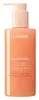
This mild foaming cleanser is mild enough to cleanse without leaving skin feeling tight or stripped.
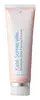
This sulfur cream cleanser is formulated around Sulfur to clear breakouts.


What's inside
What's inside
 Key Ingredients
Benefits
Concerns
Ingredients Side-by-side
Water
Skin ConditioningGlycerin
Humectant


Caprylyl/Capryl Glucoside
CleansingDisodium Cocoamphodiacetate
CleansingLauryl Betaine
CleansingDisodium Laureth Sulfosuccinate
CleansingAcrylates Copolymer
Sodium Cocoyl Alaninate
Surfactant
Sodium Chloride
MaskingNiacinamide
Smoothing









Oryza Sativa Bran Water
Masking
1,2-Hexanediol
Skin Conditioning
Inositol
Humectant
Zea Mays Starch
Absorbent
Mannitol
Humectant
PEG-45m
HumectantPolyquaternium-7
Microcrystalline Cellulose
AbsorbentKaolin
Abrasive
Butylene Glycol
Humectant
Hydroxypropyl Starch Phosphate
Ceramide NP
Skin Conditioning
Hydrolyzed Extensin
Skin ConditioningDextrin
AbsorbentPentylene Glycol
Skin Conditioning
Sodium Benzoate
Masking
Hydrogenated Lecithin
Emulsifying
Ethylhexylglycerin
Skin ConditioningSilica
Abrasive
Polyglyceryl-2 Triisostearate
Emulsifying

CI 77891
Cosmetic ColorantCitrus Aurantium Amara Flower Extract
RefreshingCyclodextrin
AbsorbentCI 77491
Cosmetic ColorantGlycolic Acid
Buffering

Protease
Exfoliating
Tocopherol
Antioxidant

Monascus/Rice Ferment
Antioxidant
Oryza Sativa Powder
CI 77499
Cosmetic ColorantWater, Glycerin, Caprylyl/Capryl Glucoside, Disodium Cocoamphodiacetate, Lauryl Betaine, Disodium Laureth Sulfosuccinate, Acrylates Copolymer, Sodium Cocoyl Alaninate, Sodium Chloride, Niacinamide, Oryza Sativa Bran Water, 1,2-Hexanediol, Inositol, Zea Mays Starch, Mannitol, PEG-45m, Polyquaternium-7, Microcrystalline Cellulose, Kaolin, Butylene Glycol, Hydroxypropyl Starch Phosphate, Ceramide NP, Hydrolyzed Extensin, Dextrin, Pentylene Glycol, Sodium Benzoate, Hydrogenated Lecithin, Ethylhexylglycerin, Silica, Polyglyceryl-2 Triisostearate, CI 77891, Citrus Aurantium Amara Flower Extract, Cyclodextrin, CI 77491, Glycolic Acid, Protease, Tocopherol, Monascus/Rice Ferment, Oryza Sativa Powder, CI 77499
Sulfur 3%
Antiseborrhoeic

Water
Skin ConditioningSodium Cocoyl Isethionate
Cleansing
Coco-Glucoside
Cleansing
Acrylates Copolymer
Cetearyl Alcohol
Emollient


Glycereth-18 Ethylhexanoate
Skin ConditioningGlycereth-18
HumectantStearyl Alcohol
Emollient
Honey Extract
Humectant
Oryza Sativa Bran Extract
Skin Conditioning
Avena Sativa Kernel Extract
Abrasive
Oligopeptide-10
Antimicrobial
Boswellia Serrata Extract
Skin Conditioning
Behenyl Alcohol
Emollient
Glycerin
Humectant
Xanthan Gum
EmulsifyingCaprylyl Glycol
Emollient
Hexylene Glycol
EmulsifyingButylene Glycol
Humectant
Phenoxyethanol
Preservative
Parfum
Masking
Citric Acid
Buffering
Sodium Hydroxide
BufferingEthylhexylglycerin
Skin ConditioningDisodium EDTA
Disodium Carboxyethyl Siliconate
Skin ConditioningLinalool
Perfuming
Potassium Sorbate
Preservative
Sodium Benzoate
Masking
CI 77891
Cosmetic ColorantCI 77491
Cosmetic ColorantSulfur 3%, Water, Sodium Cocoyl Isethionate, Coco-Glucoside, Acrylates Copolymer, Cetearyl Alcohol, Glycereth-18 Ethylhexanoate, Glycereth-18, Stearyl Alcohol, Honey Extract, Oryza Sativa Bran Extract, Avena Sativa Kernel Extract, Oligopeptide-10, Boswellia Serrata Extract, Behenyl Alcohol, Glycerin, Xanthan Gum, Caprylyl Glycol, Hexylene Glycol, Butylene Glycol, Phenoxyethanol, Parfum, Citric Acid, Sodium Hydroxide, Ethylhexylglycerin, Disodium EDTA, Disodium Carboxyethyl Siliconate, Linalool, Potassium Sorbate, Sodium Benzoate, CI 77891, CI 77491
Reviews
Ingredients Explained
These ingredients are found in both products.
Ingredients higher up in an ingredient list are typically present in a larger amount.
Acrylates Copolymer is used as a film-forming agent and texture enhancer.
After applied, Acrylates Copolymer forms a thin film cover that helps skin feel more soft. It can help sunscreens become more water-resistant.
It is also used to make a product more thick.
Learn more about Acrylates CopolymerButylene Glycol (or BG) is used within cosmetic products for a few different reasons:
Overall, Butylene Glycol is a safe and well-rounded ingredient that works well with other ingredients.
Though this ingredient works well with most skin types, some people with sensitive skin may experience a reaction such as allergic rashes, closed comedones, or itchiness.
Learn more about Butylene GlycolCi 77491 is also hydrated iron III oxide. It's sole purpose is to give a red/pink hue to products.
Iron III oxides are classified as inorganic chemicals for coloring.
Synthetically created Ci 77491 is considered safer than those naturally found. This is because the synthetically created version may contain less impurities. Iron oxides are generally non-toxic and non-allergenic.
Learn more about CI 77491Ci 77891 is a white pigment from Titanium dioxide. It is naturally found in minerals such as rutile and ilmenite.
It's main function is to add a white color to cosmetics. It can also be mixed with other colors to create different shades.
Ci 77891 is commonly found in sunscreens due to its ability to block UV rays.
Learn more about CI 77891Ethylhexylglycerin is created from glycerin. It is a multitasker ingredient that:
The CIR Expert Panel found minimal skin absorption or sensitization of any kind in a safety assessment. Though this ingredient is considered well-tolerated, a small number of cases of allergic dermatitis have been published since 2002. Just be sure to patch test if you are unsure.
Industry-reported use ranges from 8% in rinse-off products and 2% in leave-on formulations.
Learn more about EthylhexylglycerinGlycerin (or glycerol) is a compound naturally found in your skin. It's a powerhouse humectant that pulls water into the stratum corneum.
Topically, glycerin does several things at once:
Your skin makes glycerin on its own (mostly from sebaceous oil breakdown) and shuttles it to your outermost layer of skin, or your epidermis, via aquaporin-3.
Aquaporin-3 is a transporter that is essential for normal skin hydration, elasticity, and repair. Interestingly, mice lacking in AQP3 have dry and less elastic skin that can be fully corrected with glycerin.
This ingredient is non-irritating, plays well with almost every ingredient, and works across all skin types. Typical use is anywhere between 3-10% but can go up to 79% in some leave-on products.
Just know very high concentrations (>40%) can feel tacky in low humidity.
Glycerin is the name for this ingredient in American English. British English uses Glycerol/Glycerine.
Learn more about GlycerinSodium Benzoate is a preservative. It's used in both cosmetic and food products to inhibit the growth of mold and bacteria. It is typically produced synthetically.
Both the US FDA and EU Health Committee have approved the use of sodium benzoate. In the US, levels of 0.1% (of the total product) are allowed.
Sodium benzoate works as a preservative by inhibiting the growth of bacteria inside of cells. It prevents the cell from fermenting a type of sugar using an enzyme called phosphofructokinase.
It is the salt of benzoic acid. Foods containing sodium benzoate include soda, salad dressings, condiments, fruit juices, wines, and snack foods.
Studies for using ascorbic acid and sodium benzoate in cosmetics are lacking, especially in skincare routines with multiple steps.
We always recommend speaking with a professional, such as a dermatologist, if you have any concerns.
Learn more about Sodium BenzoateWater. It's the most common cosmetic ingredient of all. You'll usually see it at the top of ingredient lists, meaning that it makes up the largest part of the product.
So why is it so popular? Water most often acts as a solvent - this means that it helps dissolve other ingredients into the formulation.
You'll also recognize water as that liquid we all need to stay alive. If you see this, drink a glass of water. Remember to stay hydrated!
Learn more about Water

