Lancôme Hydra Zen Moisturising And Soothing Night Cream Versus Vichy Minéral 89 Moisture Recovery Night Cream
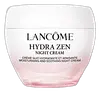
This calming night moisturizer is formulated around Butyrospermum Parkii Butter and Oryza Sativa Bran Oil to calm redness and hydrate skin.
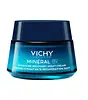
This barrier-repair night moisturizer is formulated around Squalane and Niacinamide to strengthen the skin barrier and hydrate skin.

What's inside
What's inside
 Key Ingredients
Benefits
Concerns
Ingredients Side-by-side
Water
Skin ConditioningGlycerin
Humectant


Propylene Glycol
Humectant

Butyrospermum Parkii Butter
Skin Conditioning


Dimethicone
Emollient
Oryza Sativa Bran Oil
Emollient


Silica
Abrasive


CI 14700
Cosmetic ColorantZea Mays Oil
Emulsifying
Lecithin
Emollient
Tocopherol
Antioxidant




Sodium Hyaluronate
Humectant
Sodium Hydroxide
BufferingHydroxypalmitoyl Sphinganine
Skin Conditioning
Phenoxyethanol
Preservative
Stearalkonium Hectorite
Gel FormingPaeonia Suffruticosa Extract
Skin ConditioningEugenol
Perfuming

Triticum Vulgare Germ Oil
Emollient
Triticum Vulgare Germ Extract
Skin ConditioningChlorphenesin
Antimicrobial
Polysorbate 20
Emulsifying
Polycaprolactone
StabilisingPoloxamer 188
EmulsifyingDimethiconol
Emollient
Ammonium Polyacryloyldimethyl Taurate
Emulsion StabilisingLimonene
Perfuming
Benzylalcohol Dha
Isohexadecane
EmollientPropylene Carbonate
Solvent2-Oleamido-1,3-Octadecanediol
Skin ConditioningAlpha-Isomethyl Ionone
Perfuming
Acrylamide
Acrylates/C10-30 Alkyl Acrylate Crosspolymer
Emulsion StabilisingCeramide NP
Skin Conditioning
Moringa Oleifera Seed Extract
Skin Conditioning
Sesamum Indicum Oil Unsaponifiables
Emollient
Disodium EDTA
Rosa Gallica Callus Extract
Antioxidant
Octyldodecanol
Emollient
Butylene Glycol
Humectant
Citronellol
Perfuming
Parfum
Masking
Water, Glycerin, Propylene Glycol, Butyrospermum Parkii Butter, Dimethicone, Oryza Sativa Bran Oil, Silica, CI 14700, Zea Mays Oil, Lecithin, Tocopherol, Sodium Hyaluronate, Sodium Hydroxide, Hydroxypalmitoyl Sphinganine, Phenoxyethanol, Stearalkonium Hectorite, Paeonia Suffruticosa Extract, Eugenol, Triticum Vulgare Germ Oil, Triticum Vulgare Germ Extract, Chlorphenesin, Polysorbate 20, Polycaprolactone, Poloxamer 188, Dimethiconol, Ammonium Polyacryloyldimethyl Taurate, Limonene, Benzylalcohol Dha, Isohexadecane, Propylene Carbonate, 2-Oleamido-1,3-Octadecanediol, Alpha-Isomethyl Ionone, Acrylamide, Acrylates/C10-30 Alkyl Acrylate Crosspolymer, Ceramide NP, Moringa Oleifera Seed Extract, Sesamum Indicum Oil Unsaponifiables, Disodium EDTA, Rosa Gallica Callus Extract, Octyldodecanol, Butylene Glycol, Citronellol, Parfum
Water
Skin ConditioningGlycerin
Humectant
Squalane
Emollient
Niacinamide
Smoothing


Caprylic/Capric Triglyceride
Masking
Pentaerythrityl Tetraethylhexanoate
Emollient
Butylene Glycol
Humectant
Sodium Carbomer
Emulsion StabilisingChrysin
Skin ConditioningCitric Acid
Buffering
Copper Gluconate
Skin Conditioning
Hydroxyacetophenone
Antioxidant
Melatonin
Antioxidant
Mineral Salts
Skin ConditioningPalmitoyl Tetrapeptide-7
Skin Conditioning
Rosmarinus Officinalis Leaf Extract
AntimicrobialSodium Hyaluronate
Humectant
Sodium Hydroxide
BufferingTrisodium Ethylenediamine Disuccinate
Vitreoscilla Ferment
Skin Conditioning
Tocopherol
Antioxidant
Biosaccharide Gum-1
Humectant
Caprylyl Glycol
Emollient
Glyceryl Isostearate
Emollient
Lactic Acid
Buffering
Maltodextrin
Absorbent
Pentylene Glycol
Skin Conditioning
Silica
Abrasive
Sodium Stearoyl Glutamate
CleansingXanthan Gum
EmulsifyingSalicylic Acid
Masking

Parfum
Masking
Water, Glycerin, Squalane, Niacinamide, Caprylic/Capric Triglyceride, Pentaerythrityl Tetraethylhexanoate, Butylene Glycol, Sodium Carbomer, Chrysin, Citric Acid, Copper Gluconate, Hydroxyacetophenone, Melatonin, Mineral Salts, Palmitoyl Tetrapeptide-7, Rosmarinus Officinalis Leaf Extract, Sodium Hyaluronate, Sodium Hydroxide, Trisodium Ethylenediamine Disuccinate, Vitreoscilla Ferment, Tocopherol, Biosaccharide Gum-1, Caprylyl Glycol, Glyceryl Isostearate, Lactic Acid, Maltodextrin, Pentylene Glycol, Silica, Sodium Stearoyl Glutamate, Xanthan Gum, Salicylic Acid, Parfum
Reviews
Ingredients Explained
These ingredients are found in both products.
Ingredients higher up in an ingredient list are typically present in a larger amount.
Butylene Glycol (or BG) is used within cosmetic products for a few different reasons:
Overall, Butylene Glycol is a safe and well-rounded ingredient that works well with other ingredients.
Though this ingredient works well with most skin types, some people with sensitive skin may experience a reaction such as allergic rashes, closed comedones, or itchiness.
Learn more about Butylene GlycolGlycerin (or glycerol) is a compound naturally found in your skin. It's a powerhouse humectant that pulls water into the stratum corneum.
Topically, glycerin does several things at once:
Your skin makes glycerin on its own (mostly from sebaceous oil breakdown) and shuttles it to your outermost layer of skin, or your epidermis, via aquaporin-3.
Aquaporin-3 is a transporter that is essential for normal skin hydration, elasticity, and repair. Interestingly, mice lacking in AQP3 have dry and less elastic skin that can be fully corrected with glycerin.
This ingredient is non-irritating, plays well with almost every ingredient, and works across all skin types. Typical use is anywhere between 3-10% but can go up to 79% in some leave-on products.
Just know very high concentrations (>40%) can feel tacky in low humidity.
Glycerin is the name for this ingredient in American English. British English uses Glycerol/Glycerine.
Learn more about GlycerinParfum is a catch-all term for an ingredient or more that is used to give a scent to products.
Also called "fragrance", this ingredient can be a blend of hundreds of chemicals or plant oils. This means every product with "fragrance" or "parfum" in the ingredients list is a different mixture.
For instance, Habanolide is a proprietary trade name for a specific aroma chemical. When used as a fragrance ingredient in cosmetics, most aroma chemicals fall under the broad labeling category of “FRAGRANCE” or “PARFUM” according to EU and US regulations.
The term 'parfum' or 'fragrance' is not regulated in many countries. In many cases, it is up to the brand to define this term.
For instance, many brands choose to label themselves as "fragrance-free" because they are not using synthetic fragrances. However, their products may still contain ingredients such as essential oils that are considered a fragrance by INCI standards.
One example is Calendula flower extract. Calendula is an essential oil that still imparts a scent or 'fragrance'.
Depending on the blend, the ingredients in the mixture can cause allergies and sensitivities on the skin. Some ingredients that are known EU allergens include linalool and citronellol.
Parfum can also be used to mask or cover an unpleasant scent.
The bottom line is: not all fragrances/parfum/ingredients are created equally. If you are worried about fragrances, we recommend taking a closer look at an ingredient. And of course, we always recommend speaking with a professional.
Learn more about ParfumSilica, also known as silicon dioxide, is a naturally occurring mineral. It is used as a fine, spherical, and porous powder in cosmetics.
Though it has exfoliant properties, the function of silica varies depending on the product.
The unique structure of silica enhances the spreadability and adds smoothness, making it a great texture enhancer.
It is also used as an active carrier, emulsifier, and mattifier due to its ability to absorb excess oil.
In some products, tiny microneedles called spicules are made from silica or hydrolyzed sponge. When you rub them in, they lightly polish away dead skin layers and enhance the penetration of active ingredients.
Learn more about SilicaSodium Hyaluronate is the salt form of hyaluronic acid. It is a long sugar chain that is naturally found in your skin, joints, and connective tissue that maintains hydration and elasticity.
In skincare, it works as a humectant. It pulls water from the environment and deeper layers of skin and binds it to the surface.
Interestingly, the size of the molecule affects its behavior:
Some clinical evidence links low molecular weight versions to improved wrinkle depth, elasticity, anti-inflammatory effects, and barrier repair.
Many serums use a blend of both weights so you can get surface hydration plus longer-lasting and deeper effects.
You'll typically see concentrations between 0.1-2% for this ingredient.
Learn more about Sodium HyaluronateSodium Hydroxide is also known as lye or caustic soda. It is used to adjust the pH of products; many ingredients require a specific pH to be effective.
In small amounts, sodium hydroxide is considered safe to use. However, large amounts may cause chemical burns due to its high alkaline.
Your skin has a natural pH and acid mantle. This acid mantle helps prevent harmful bacteria from breaking through. The acid mantle also helps keep your skin hydrated.
"Alkaline" refers to a high pH level. A low pH level would be considered acidic.
Learn more about Sodium HydroxideTocopherol is a fat-soluble antioxidant known as Vitamin E.
You'll find this ingredient in the vast majority of skincare (for good reason). It works to neutralize free radicals, or unstable molecules generated by UV exposure, pollution, and other environmental stressors, before they can cause oxidative damage to your skin cells.
Topically applied tocopherol has been shown to protect against UV damage by ramping up the skin's own natural defense enzymes.
It also acts as a skin conditioning agent; some studies show that regular topical use can improve the skin's water-binding capacity over 2-4 weeks.
This ingredient is especially loved for being a team player. When combined with Vitamin C, the photoprotective effect of both ingredients roughly doubles and the combo also helps reduce UV-induced DNA damage.
This ingredient has some brightening potential but it's more of a prevention ingredient than spot-fader. Cell studies show it can slow down melanin production but it's worth noting that it's not the most powerful brightener out there.
In formulations, it also serves as a stabilizer that helps protect other oxidation-prone ingredients from degrading.
Concentrations usually range from 0.1-1% in most leave-on products.
Learn more about TocopherolWater. It's the most common cosmetic ingredient of all. You'll usually see it at the top of ingredient lists, meaning that it makes up the largest part of the product.
So why is it so popular? Water most often acts as a solvent - this means that it helps dissolve other ingredients into the formulation.
You'll also recognize water as that liquid we all need to stay alive. If you see this, drink a glass of water. Remember to stay hydrated!
Learn more about Water

