Lancôme Advanced Génifique Youth Activating Concentrate Versus Kate Somerville Retinol Vita C Power Serum


What's inside
What's inside
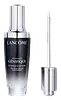 Key Ingredients
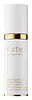
Benefits
Concerns
Ingredients Side-by-side
Water
Skin ConditioningBifida Ferment Lysate
Skin Conditioning



Glycerin
Humectant
Alcohol Denat.
Antimicrobial




Dimethicone
Emollient
Hydroxyethylpiperazine Ethane Sulfonic Acid
BufferingAscorbyl Glucoside
Antioxidant


Sodium Hyaluronate
Humectant

Sodium Hydroxide
BufferingSodium Benzoate
Masking
Phenoxyethanol
Preservative
Adenosine
Skin Conditioning
Faex Extract
Skin ConditioningPEG-20 Methyl Glucose Sesquistearate
Emulsifying
PEG-60 Hydrogenated Castor Oil
Emulsifying
Salicyloyl Phytosphingosine
Skin ConditioningAmmonium Polyacryloyldimethyl Taurate
Emulsion StabilisingLimonene
Perfuming

Xanthan Gum
EmulsifyingCaprylyl Glycol
Emollient
Disodium EDTA
Octyldodecanol
Emollient
Citronellol
Perfuming
Parfum
Masking
Water, Bifida Ferment Lysate, Glycerin, Alcohol Denat., Dimethicone, Hydroxyethylpiperazine Ethane Sulfonic Acid, Ascorbyl Glucoside, Sodium Hyaluronate, Sodium Hydroxide, Sodium Benzoate, Phenoxyethanol, Adenosine, Faex Extract, PEG-20 Methyl Glucose Sesquistearate, PEG-60 Hydrogenated Castor Oil, Salicyloyl Phytosphingosine, Ammonium Polyacryloyldimethyl Taurate, Limonene, Xanthan Gum, Caprylyl Glycol, Disodium EDTA, Octyldodecanol, Citronellol, Parfum
Water
Skin ConditioningDimethicone
Emollient
Propanediol
Solvent
Polysilicone-11

Polysorbate 20
Emulsifying
Isocetyl Stearate
Emollient

Volcanic Soil
Skin Conditioning
Glyceryl Stearate
Emollient
Isohexadecane
EmollientPEG-100 Stearate
Parfum
Masking
Retinol
Skin Conditioning




Ascorbic Acid
Antioxidant
Tocopheryl Acetate
Antioxidant
Hyaluronic Acid
Humectant
Physalis Angulata Extract
Skin ProtectingSodium Hyaluronate
Humectant
Tocopherol
Antioxidant
Hexapeptide-2
Bleaching
Ethylhexylglycerin
Skin ConditioningAmylopectin
PEG-7 Trimethylolpropane Coconut Ether
Emulsifying
Adenosine
Skin Conditioning
Hydroxyethyl Acrylate/Sodium Acryloyldimethyl Taurate Copolymer
Emulsion Stabilising1,2-Hexanediol
Skin Conditioning
Butylene Glycol
Humectant
Ammonium Polyacryloyldimethyl Taurate
Emulsion StabilisingCaprylic/Capric Triglyceride
Masking
Polyisobutene
Sorbitan Isostearate
Emulsifying
Stearic Acid
Cleansing
Polysorbate 80
Emulsifying
Dimethiconol
Emollient
Caprylhydroxamic Acid
BHA
Antioxidant
BHT
Antioxidant
Disodium EDTA
Water, Dimethicone, Propanediol, Polysilicone-11, Polysorbate 20, Isocetyl Stearate, Volcanic Soil, Glyceryl Stearate, Isohexadecane, PEG-100 Stearate, Parfum, Retinol, Ascorbic Acid, Tocopheryl Acetate, Hyaluronic Acid, Physalis Angulata Extract, Sodium Hyaluronate, Tocopherol, Hexapeptide-2, Ethylhexylglycerin, Amylopectin, PEG-7 Trimethylolpropane Coconut Ether, Adenosine, Hydroxyethyl Acrylate/Sodium Acryloyldimethyl Taurate Copolymer, 1,2-Hexanediol, Butylene Glycol, Ammonium Polyacryloyldimethyl Taurate, Caprylic/Capric Triglyceride, Polyisobutene, Sorbitan Isostearate, Stearic Acid, Polysorbate 80, Dimethiconol, Caprylhydroxamic Acid, BHA, BHT, Disodium EDTA
Reviews
Ingredients Explained
These ingredients are found in both products.
Ingredients higher up in an ingredient list are typically present in a larger amount.
Adenosine is in every living organism. It is one of four components in nucleic acids that helps store our DNA.
Adenosine has many benefits when used. These benefits include hydrating the skin, smoothing skin, and reducing wrinkles. Once applied, adenosine increases collagen production. It also helps with improving firmness and tissue repair.
Studies have found adenosine may also help with wound healing.
In skincare products, Adenosine is usually derived from yeast.
Learn more about AdenosineAmmonium Polyacryloyldimethyl Taurate is a polymer made from ammonium salts. It works as a thickener, emulsifier, and texture enhancer that gives gel-creams a silky, lightweight feel.
This ingredient is versatile and low-maintenance so manufacturers love working with it.
Typical usage levels in cosmetics are usually low and in the range of 0.015 - 2.3%.
Learn more about Ammonium Polyacryloyldimethyl TaurateDimethicone is a type of synthetic silicone created from natural materials such as quartz. It is also known as polydimethylsiloxane.
What it does:
Dimethicone comes in different viscosities:
Depending on the viscosity, dimethicone has different properties.
Ingredients lists don't always show which type is used, so we recommend reaching out to the brand if you have questions about the viscosity.
This ingredient is unlikely to cause irritation because it does not get absorbed into skin. However, people with silicone allergies should be careful about using this ingredient.
Note: Dimethicone may contribute to pilling. This is because it is not oil or water soluble, so pilling may occur when layered with products. When mixed with heavy oils in a formula, the outcome is also quite greasy.
Learn more about DimethiconeDisodium EDTA is a chelating agent. It grabs onto and deactivates metal ions that sneak into your products from water, packaging, or air.
This ingredient mainly works behind the scenes and helps with:
On top of that, this ingredient can counteract the effects of hard water by binding to the minerals in it.
One thing worth knowing is that Disodium EDTA has been shown to be a mild penetration enhancer. It can help other ingredients absorb into skin more effectively which can be a double-edged sword (great for actives, but can also make the active too strong if you have sensitive skin).
Clinical patch testing showed no significant skin irritation at typical use concentrations and minimal dermal absorption.
You'll most likely see this ingredient near the end of an ingredient list. It's typically found in concentrations less than 1%.
Learn more about Disodium EDTAParfum is a catch-all term for an ingredient or more that is used to give a scent to products.
Also called "fragrance", this ingredient can be a blend of hundreds of chemicals or plant oils. This means every product with "fragrance" or "parfum" in the ingredients list is a different mixture.
For instance, Habanolide is a proprietary trade name for a specific aroma chemical. When used as a fragrance ingredient in cosmetics, most aroma chemicals fall under the broad labeling category of “FRAGRANCE” or “PARFUM” according to EU and US regulations.
The term 'parfum' or 'fragrance' is not regulated in many countries. In many cases, it is up to the brand to define this term.
For instance, many brands choose to label themselves as "fragrance-free" because they are not using synthetic fragrances. However, their products may still contain ingredients such as essential oils that are considered a fragrance by INCI standards.
One example is Calendula flower extract. Calendula is an essential oil that still imparts a scent or 'fragrance'.
Depending on the blend, the ingredients in the mixture can cause allergies and sensitivities on the skin. Some ingredients that are known EU allergens include linalool and citronellol.
Parfum can also be used to mask or cover an unpleasant scent.
The bottom line is: not all fragrances/parfum/ingredients are created equally. If you are worried about fragrances, we recommend taking a closer look at an ingredient. And of course, we always recommend speaking with a professional.
Learn more about ParfumSodium Hyaluronate is the salt form of hyaluronic acid. It is a long sugar chain that is naturally found in your skin, joints, and connective tissue that maintains hydration and elasticity.
In skincare, it works as a humectant. It pulls water from the environment and deeper layers of skin and binds it to the surface.
Interestingly, the size of the molecule affects its behavior:
Some clinical evidence links low molecular weight versions to improved wrinkle depth, elasticity, anti-inflammatory effects, and barrier repair.
Many serums use a blend of both weights so you can get surface hydration plus longer-lasting and deeper effects.
You'll typically see concentrations between 0.1-2% for this ingredient.
Learn more about Sodium HyaluronateWater. It's the most common cosmetic ingredient of all. You'll usually see it at the top of ingredient lists, meaning that it makes up the largest part of the product.
So why is it so popular? Water most often acts as a solvent - this means that it helps dissolve other ingredients into the formulation.
You'll also recognize water as that liquid we all need to stay alive. If you see this, drink a glass of water. Remember to stay hydrated!
Learn more about Water
