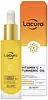
This calming oil is formulated around Ascorbyl Tetraisopalmitate and Hippophae Rhamnoides Oil to calm redness.
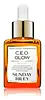
This brightening oil is formulated around Tetrahexyldecyl Ascorbate to brighten dull-looking skin.


What's inside
What's inside
 Key Ingredients
Benefits
Concerns
Ingredients Side-by-side
Isopropyl Myristate
Emollient





Ricinus Communis Seed Oil
Masking


Simmondsia Chinensis Seed Oil
Emollient

Prunus Amygdalus Dulcis Oil
Skin Conditioning
Rubus Idaeus Seed Oil
Emollient
Hexyldecanol
Emollient
Ascorbyl Tetraisopalmitate
Antioxidant


Curcuma Longa Root Extract
Antioxidant
Hippophae Rhamnoides Oil
Emollient
Oenothera Biennis Oil
Emollient
Punica Granatum Seed Oil
Emollient
Tocopherol
Antioxidant


Vaccinium Macrocarpon Seed Oil
Skin Conditioning
Bisabolol
Antioxidant
Cetylhydroxyproline Palmitamide
Skin ConditioningStearic Acid
Cleansing
Citrus Aurantium Dulcis Peel Oil Expressed
Perfuming

Zingiber Officinale Root Oil
Masking
Brassica Campestris Sterols
EmollientHelianthus Annuus Seed Oil
Emollient
Rosmarinus Officinalis Leaf Extract
AntimicrobialCitral
Perfuming
Limonene
Perfuming
Linalool
Perfuming
Isopropyl Myristate, Ricinus Communis Seed Oil, Simmondsia Chinensis Seed Oil, Prunus Amygdalus Dulcis Oil, Rubus Idaeus Seed Oil, Hexyldecanol, Ascorbyl Tetraisopalmitate, Curcuma Longa Root Extract, Hippophae Rhamnoides Oil, Oenothera Biennis Oil, Punica Granatum Seed Oil, Tocopherol, Vaccinium Macrocarpon Seed Oil, Bisabolol, Cetylhydroxyproline Palmitamide, Stearic Acid, Citrus Aurantium Dulcis Peel Oil Expressed, Zingiber Officinale Root Oil, Brassica Campestris Sterols, Helianthus Annuus Seed Oil, Rosmarinus Officinalis Leaf Extract, Citral, Limonene, Linalool
Rubus Idaeus Seed Oil
Emollient
Neopentyl Glycol Diethylhexanoate
Emollient
Caprylyl Caprylate/Caprate
Emollient
Simmondsia Chinensis Seed Oil
Emollient
Cucumis Sativus Seed Oil
Emollient
Punica Granatum Seed Oil
Emollient
Vaccinium Macrocarpon Seed Oil
Skin Conditioning
Oenothera Biennis Oil
Emollient
Octyldodecanol
Emollient
Tetrahexyldecyl Ascorbate
Antioxidant

Curcuma Longa Root Extract
Antioxidant
Helianthus Annuus Seed Oil Unsaponifiables
Emollient
Citrus Aurantium Amara Flower Oil
Masking
Melia Azadirachta Leaf Extract
Skin ConditioningEclipta Prostrata Extract
Skin Conditioning
Moringa Oleifera Seed Oil
Emollient
Tocopherol
Antioxidant
Helianthus Annuus Seed Oil
Emollient
Pentylene Glycol
Skin Conditioning
4-T-Butylcyclohexanol
Masking
Ribes Nigrum Seed Oil
Emollient
Bisabolol
Antioxidant
Cetylhydroxyproline Palmitamide
Skin ConditioningHexyldecanol
Emollient
Hydroxyphenyl Propamidobenzoic Acid
Skin ConditioningStearic Acid
Cleansing
Brassica Campestris Sterols
EmollientCardiospermum Halicacabum Flower/Leaf/Vine Extract
Skin ConditioningZingiber Officinale Root Extract
Masking
Rosmarinus Officinalis Leaf Extract
AntimicrobialRubus Idaeus Seed Oil, Neopentyl Glycol Diethylhexanoate, Caprylyl Caprylate/Caprate, Simmondsia Chinensis Seed Oil, Cucumis Sativus Seed Oil, Punica Granatum Seed Oil, Vaccinium Macrocarpon Seed Oil, Oenothera Biennis Oil, Octyldodecanol, Tetrahexyldecyl Ascorbate, Curcuma Longa Root Extract, Helianthus Annuus Seed Oil Unsaponifiables, Citrus Aurantium Amara Flower Oil, Melia Azadirachta Leaf Extract, Eclipta Prostrata Extract, Moringa Oleifera Seed Oil, Tocopherol, Helianthus Annuus Seed Oil, Pentylene Glycol, 4-T-Butylcyclohexanol, Ribes Nigrum Seed Oil, Bisabolol, Cetylhydroxyproline Palmitamide, Hexyldecanol, Hydroxyphenyl Propamidobenzoic Acid, Stearic Acid, Brassica Campestris Sterols, Cardiospermum Halicacabum Flower/Leaf/Vine Extract, Zingiber Officinale Root Extract, Rosmarinus Officinalis Leaf Extract
Reviews
Ingredients Explained
These ingredients are found in both products.
Ingredients higher up in an ingredient list are typically present in a larger amount.
Bisabolol is a gentle skin conditioner, antioxidant, and soothing ingredient.
It's primary claim to fame is soothing and research shows topically applied bisabolol can quiet the chemical messengers that cause your skin to become inflamed, helping to sooth any irritation.
A clinical study found that applying 0.5% bisabolol daily for 8 weeks produced an average 9% decrease in skin pigmentation. Researchers found it can also suppress the process that leads to excess melanin production in skin.
In vitro studies found that bisabolol combined with propylene glycol significantly increased skin permeability by increasing lipid fluidity in the stratum corneum.
You'll likely see use concentrations quite low, usually 0.1-0.2%.
Overall, this is a well-tolerated ingredient that works well in formulas designed for sensitive, reactive, or post-procedure skin.
Learn more about BisabololThis ingredient is the sterol fraction pulled out of rapeseed (or field mustard) oil. It's the waxy, cholesterol-like part of the oil.
That cholesterol-like part matters because the molecules are structurally close cousins of the cholesterol your own skin makes.
Cholesterol is one of the three lipids (along with ceramides and fatty acids) that hold your skin barrier together. So the plant sterols (like this one) do the same job: they integrate into the barrier and mimic the skin's natural lipids, which helps it hold onto water.
There's some decent evidence too:
A tape stripping study found skin treated with a phyosterol formulation recovered barrier function noticeably faster than skin treated with the vehicle alone.
Phytosterols also show anti-inflammatory activity which is why they appear often in soothing and anti-aging creams.
Usage concentrations vary according to industry survey data; leave-on products go up to 7% and rinse-off products up to 0.13%.
Actual face products usually use lower amounts (0.1-2%), partly because sterols are waxy and don't dissolve easily.
A human repeat insult patch test of 100% pure sterols in 50 subjects produced no irritation/sensitization, and guinea pig maximization testing was also negative. The CIR Expert Panel has also concluded the phytosterol ingredient group is safe at current use concentrations.
Fungal acne note: Sterols are not fatty acids and the yeast makes its own sterols anyway, so this ingredient doesn't feed it (it is fungal acne safe).
Learn more about Brassica Campestris SterolsWe don't have a description for Cetylhydroxyproline Palmitamide yet.
Curcuma Longa Root Extract comes from the rhizome (underground stem) of the turmeric plant.
While the official EU Cosing Database lists this ingredient as a fragrance, it actually does more than give products a scent.
This ingredient contains a group of yellow pigments called curcuminoids (mostly curcumin) that give it genuine antioxidant and anti-inflammatory activity in skin.
Reviews of topical clinical studies have found turmeric/curcumin to be generally well-tolerated and useful across conditions like eczema and mild inflammation.
One thing working in its favor is that curcumin barely penetrates; in lab skin-permeation testing, the curcuminoids mostly stayed in the outermost layer of skin. This is a good thing because its soothing and antioxidant activity is a surface-level job anyway.
At this time, industry data shows there's no single "correct" cosmetic percentage. It's used across a wide range depending on the product and varies from tiny fractions of a percent up to a few percent.
Allergy-wise, curcumin is a documented (but uncommon) contact allergen. It can also cross react with related plants, so anyone with a turmeric/ginger/cinnamon allergy or reactive skin should patch test first.
Learn more about Curcuma Longa Root ExtractHelianthus Annuus Seed Oil is a plant oil derived from the seeds of a sunflower.
It is rich in fatty acids, primarily linoleic acid and oleic acid. This gives it emollient and skin conditioning properties.
The reason this ingredient is so effective is because it forms a thin film on the skin that reduces transepidermal water loss (TEWL) while supplying linoleic acid to the stratum corneum to improve barrier strength.
The high linoleic acid content is particularly noteworthy for acne-prone skin.
Research suggests that acne-prone skin tends to be deficient in linoleic acid in sebum. Topical application may help replenish this to support a healthier follicular environment and less comedone-promoting sebum.
One randomized study found sunflower seed oil preserved skin barrier integrity in adult volunteers with and without atopic dermatitis (outperforming olive oil).
This ingredient is well-studied, gentle, and an effective emollient suitable for most skin types.
On fungal acne: This ingredient may not be Fungal acne (Malassezia folliculitis) safe. This is because it contains fatty acids with carbon chain lengths in the C11-C24 range.
Learn more about Helianthus Annuus Seed OilHexyldecanol is a fatty alcohol that is basically the "light" version of cetyl alcohol. It is an emollient and skin conditioning agent that leaves a silky feeling on skin without tackiness.
Because it is stable across a wide pH range, it plays nicely with most actives. Typical use concentrations range from 1-10% and it can be either plant derived or synthetically created.
Overall, this is a well-tolerated ingredient and only a few cases of contact dermatitis have been reported.
The closest tested cousin of this ingredient, Octyldodecanol, did not support Malassezia growth in vitro. The Malassezia yeast responsible for fungal acne prefers straight-chain substrates whereas Hexyldecanol and Octyldodecanol are branched. While this ingredient is unlikely to cause fungal acne, be sure to patch test if you're unsure.
Learn more about HexyldecanolOenothera Biennis Oil (aka Evening Primrose Oil) is a non-fragrant oil from the evening primrose. Like other botanical oils, it is an emollient that helps hydrate and nourish skin.
It has an interesting fatty acid profile: linoleic (70-74%) and γ-linolenic (8-10%), with some amounts ofoleic palmitic, and stearic acids.
The gamma-linoleic acid (GLA) is the headliner here; it's relatively rare in plant oils and acts as a precursor for anti-inflammatory signaling molecules in the skin.
There's a mixed body of clinical research with this ingredient as well, mostly on eczema/atopic dermatitis skin.
Some controlled trials showed improvement in inflammation, dryness, scaling, and overall severity. Other studies and large meta-analysis failed to show a significant effect; the honest takeaway here is "promising but inconsistent" rather than "miracle oil".
On the safety front, this ingredient is found to be safe as used in cosmetics and even has a history of safe food use.
This ingredient does have a comedogenic rating of 3, but this doesn't mean a formula with this ingredient will clog pores. Human testing has proved that any finished product with this ingredient won't automatically make you break out; it really comes down to concentration, formula, and your skin.
Since this oil is contains oleic acid and palmitic acid, it may not be fungal acne safe. The Malassezia yeast feeds on fatty acids with carbon chain lengths between C11-C24. Oleic Acid sits at C18 and Palmitic acid sits at C16.
In vitro studies have shown that oleic acid and palmitic acid are some of the fatty acids that induce rapid Malassezia growth in lab settings.
Learn more about Oenothera Biennis OilPunica Granatum Seed Oil is created from the seeds of the pomegranate. Pomegranate seed oil helps hydrate the skin, is anti-inflammatory, and contains antioxidants.
Pomegranates are rich in fatty acids, including an unsaturated fatty acid by the name of Punicic acid. Other components of pomegranates include Vitamin E, Vitamin C, and bioactive lipids such as phytosterols, phospholipids, and triterpenes. Punicic acid helps soothe inflammation.
As an emollient, pomegranate oil creates a thin film on the skin. This film helps prevent moisture loss, keeping your skin hydrated.
Learn more about Punica Granatum Seed OilThis is a botanical extract from the rosemary plant (the same one you cook with). In skincare, it mostly works as a skin conditioning agent.
Its activity comes from a handful of polyphenols, carnosic acid, carnosol, and rosmarinic acid. Almost 90% of the antioxidant activity of this ingredient can be attributed to canosol and carnosic acid.
These compounds protect your skin two ways:
1) They fight off free radicals, or the unstable molecules from things like sun and pollution that age and damage skin.
2) They help calm inflammation by switching off the chemical signals that tell skin to get red and irritated.
Lab studies also suggest that rosmarinic acid may help protect collagen and slow sugar-related damage to it.
The Cosmetic Ingredient Review has concluded rosemary-derived ingredients to be safe when formulated to be non-sensitizing.
Rosemary can occasionally cause allergic contact dermatitis (due to carnosol), so be sure to patch test if you have reactive or fragrance-sensitive skin.
Learn more about Rosmarinus Officinalis Leaf ExtractRubus Idaeus Seed Oil is created from the seeds of the raspberry fruit. Raspberries are native to northern Europe and Asia.
Raspberry seed oil is an emollient with antioxidant and anti-inflammatory properties. It is rich in fatty acids, tocopherols, flavonoids, Vitamin C, and Vitamin E.
As an emollient, raspberry seed oil helps hydrate your skin. Emollients prevent moisture from evaporating by creating a film on top.
Learn more about Rubus Idaeus Seed OilJojoba oil is one of the most well-studied plant-derived ingredients in cosmetics. It is an emollient with a special structure.
Because it is made up of 97-98% wax esters, it closely mirrors the linear monoesters found in human sebum. This makes it skin compatible, non-greasy, and lightweight.
Unlike other plant oils, jojoba wax doesn't easily penetrate skin. It mostly works in the uppermost layers as an emollient. This just means it forms a light barrier on the skin to help retain moisture.
Formulations with jojoba esters up to 90% reduced transepidermal water loss (TEWL) and increased barrier recovery by 81% (outperforming bisabolol at 47%).
Besides barrier support, the science also suggests jojoba to have anti-inflammatory effects and potential applications for skin infections, aging, and wound healing.
Fun fact: Indigenous cultures have used jojoba as a moisturizer and to help treat burns for centuries.
Fungal acne: The Malassezia yeast is known to metabolize fatty acids in the C11-24 range and jojoba's dominant fatty acid components fall into this range. This ingredient may not be fungal acne safe.
Learn more about Simmondsia Chinensis Seed OilStearic Acid is a fatty acid that is already found in your skin. It's one of the free fatty acids that works alongside ceramides and cholesterols to maintain your barrier.
In cosmetics, it is a multitasker:
Safety-wise, the CIR Expert Panel has concluded it to be safe in cosmetics when formulated to be non-irritating and non-sensitizing.
Free stearic acid is a C18 fatty acid that the Malassezia yeast can substrate, so this ingredient may not be fungal acne safe.
This ingredient does have a comedogenic rating of 2-3, but this doesn't mean a formula with this ingredient will clog pores.
Human testing has proved that any finished product with this ingredient won't automatically make you break out; it really comes down to concentration, formula, and your skin.
Learn more about Stearic AcidTocopherol is a fat-soluble antioxidant known as Vitamin E.
You'll find this ingredient in the vast majority of skincare (for good reason). It works to neutralize free radicals, or unstable molecules generated by UV exposure, pollution, and other environmental stressors, before they can cause oxidative damage to your skin cells.
Topically applied tocopherol has been shown to protect against UV damage by ramping up the skin's own natural defense enzymes.
It also acts as a skin conditioning agent; some studies show that regular topical use can improve the skin's water-binding capacity over 2-4 weeks.
This ingredient is especially loved for being a team player. When combined with Vitamin C, the photoprotective effect of both ingredients roughly doubles and the combo also helps reduce UV-induced DNA damage.
This ingredient has some brightening potential but it's more of a prevention ingredient than spot-fader. Cell studies show it can slow down melanin production but it's worth noting that it's not the most powerful brightener out there.
In formulations, it also serves as a stabilizer that helps protect other oxidation-prone ingredients from degrading.
Concentrations usually range from 0.1-1% in most leave-on products.
Learn more about TocopherolThis is a yellow-greenish oil cold-pressed from cranberry sides that's packed with a balanced 1:1 ratio of omega-3 (linolenic acid) and omega-6 (linolenic acid) fatty acids at around 30-38%.
There's also a solid dose of skin-nourishing omega-9, vitamin E, and polyphenols.
In cosmetics, it functions as an emollient with real staying power for hydration and barrier support.
Studies show it reduces oxidative stress in cells, lowers inflammatory markers, and has wound-healing potential that outperformed standard treatments in animal models.
It's also been shown to have antimicrobial properties against problematic bacteria while promoting beneficial skin flora.
Allergic reactions are rare but patch testing is a good idea if you have sensitive skin or fruit allergies.
Typical use concentrations are usually 2-20%.
Learn more about Vaccinium Macrocarpon Seed Oil

