

What's inside
What's inside
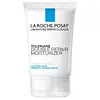 Key Ingredients
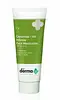
Benefits
Concerns
Ingredients Side-by-side
Water
Skin ConditioningGlycerin
Humectant



Squalane
Emollient
Dimethicone
Emollient
Zea Mays Starch
AbsorbentNiacinamide
Smoothing







Ammonium Polyacryloyldimethyl Taurate
Emulsion StabilisingMyristyl Myristate
Emollient


Stearic Acid
Cleansing
Ceramide NP
Skin Conditioning
Potassium Cetyl Phosphate
EmulsifyingGlyceryl Stearate Se
Emulsifying
Sodium Hydroxide
BufferingMyristic Acid
Cleansing
Palmitic Acid
Emollient
Capryloyl Glycine
CleansingCaprylyl Glycol
Emollient
Xanthan Gum
EmulsifyingWater, Glycerin, Squalane, Dimethicone, Zea Mays Starch, Niacinamide, Ammonium Polyacryloyldimethyl Taurate, Myristyl Myristate, Stearic Acid, Ceramide NP, Potassium Cetyl Phosphate, Glyceryl Stearate Se, Sodium Hydroxide, Myristic Acid, Palmitic Acid, Capryloyl Glycine, Caprylyl Glycol, Xanthan Gum
Water
Skin ConditioningGlycerin
Humectant
Sodium Acrylate/Sodium Acryloyldimethyl Taurate Copolymer
Emulsion StabilisingHydrogenated Polydecene
EmollientTrideceth-6
EmulsifyingSorbitan Laurate
Emulsifying
Cetearyl Alcohol
Emollient
Caprylic/Capric Triglyceride
Masking
Saccharide Isomerate
Humectant
Citric Acid
Buffering


Sodium Citrate
BufferingBehenyl Alcohol
Emollient
Sorbitan Stearate
Emulsifying
Sucrose Cocoate
Emulsifying
Dicetyl Phosphate
EmulsifyingCeteth-10 Phosphate
CleansingCyclopentasiloxane
Emollient
Phenyl Trimethicone
Skin Conditioning
Dimethiconol
Emollient
C12-15 Alkyl Benzoate
AntimicrobialDimethicone Crosspolymer
Emulsion Stabilising
Phenoxyethanol
Preservative
Ethylhexylglycerin
Skin ConditioningXylitylglucoside
Humectant
Anhydroxylitol
Humectant
Xylitol
Humectant
Avena Sativa Kernel Flour
Abrasive
Sodium Hyaluronate
Humectant
Panthenol
Skin Conditioning
Ceramide NP
Skin Conditioning
Ceramide AP
Skin Conditioning
Ceramide EOP
Skin Conditioning
Phytosphingosine
Skin Conditioning
Cholesterol
Emollient
Sodium Lauroyl Lactylate
EmulsifyingCarbomer
Emulsion StabilisingXanthan Gum
EmulsifyingDipentaerythrityl Tetrahydroxystearate/Tetraisostearate
Skin Conditioning
Water, Glycerin, Sodium Acrylate/Sodium Acryloyldimethyl Taurate Copolymer, Hydrogenated Polydecene, Trideceth-6, Sorbitan Laurate, Cetearyl Alcohol, Caprylic/Capric Triglyceride, Saccharide Isomerate, Citric Acid, Sodium Citrate, Behenyl Alcohol, Sorbitan Stearate, Sucrose Cocoate, Dicetyl Phosphate, Ceteth-10 Phosphate, Cyclopentasiloxane, Phenyl Trimethicone, Dimethiconol, C12-15 Alkyl Benzoate, Dimethicone Crosspolymer, Phenoxyethanol, Ethylhexylglycerin, Xylitylglucoside, Anhydroxylitol, Xylitol, Avena Sativa Kernel Flour, Sodium Hyaluronate, Panthenol, Ceramide NP, Ceramide AP, Ceramide EOP, Phytosphingosine, Cholesterol, Sodium Lauroyl Lactylate, Carbomer, Xanthan Gum, Dipentaerythrityl Tetrahydroxystearate/Tetraisostearate
Reviews
Ingredients Explained
These ingredients are found in both products.
Ingredients higher up in an ingredient list are typically present in a larger amount.
Ceramide NP is a type of ceramide and formally known as ceramide 3.
Ceramides are intercellular lipids naturally found in our skin that bonds dead skin cells together to create a barrier. They are known for their ability to hold water and thus are a great ingredient for dry skin.
Ceramides are an important building block for our skin barrier. A stronger barrier helps the skin look more firm and hydrated. By bolstering the skin ceramides act as a barrier against irritating ingredients. This can help with inflammation as well.
If you would like to eat ceramides, sweet potatoes contain a small amount.
Read more about other common types of ceramides here:
Ceramide AP
Ceramide EOP
Glycerin is already naturally found in your skin. It helps moisturize and protect your skin.
A study from 2016 found glycerin to be more effective as a humectant than AHAs and hyaluronic acid.
As a humectant, it helps the skin stay hydrated by pulling moisture to your skin. The low molecular weight of glycerin allows it to pull moisture into the deeper layers of your skin.
Hydrated skin improves your skin barrier; Your skin barrier helps protect against irritants and bacteria.
Glycerin has also been found to have antimicrobial and antiviral properties. Due to these properties, glycerin is often used in wound and burn treatments.
In cosmetics, glycerin is usually derived from plants such as soybean or palm. However, it can also be sourced from animals, such as tallow or animal fat.
This ingredient is organic, colorless, odorless, and non-toxic.
Glycerin is the name for this ingredient in American English. British English uses Glycerol/Glycerine.
Learn more about GlycerinWater. It's the most common cosmetic ingredient of all. You'll usually see it at the top of ingredient lists, meaning that it makes up the largest part of the product.
So why is it so popular? Water most often acts as a solvent - this means that it helps dissolve other ingredients into the formulation.
You'll also recognize water as that liquid we all need to stay alive. If you see this, drink a glass of water. Stay hydrated!
Learn more about WaterXanthan gum is used as a stabilizer and thickener within cosmetic products. It helps give products a sticky, thick feeling - preventing them from being too runny.
On the technical side of things, xanthan gum is a polysaccharide - a combination consisting of multiple sugar molecules bonded together.
Xanthan gum is a pretty common and great ingredient. It is a natural, non-toxic, non-irritating ingredient that is also commonly used in food products.
Learn more about Xanthan Gum
