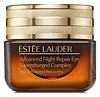
This anti-aging eye moisturizer is formulated around Butyrospermum Parkii Butter and Acetyl Dipeptide-1 Cetyl Ester to soften the look of wrinkles and hydrate skin.
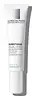
This barrier-repair eye moisturizer is formulated around Bifida Ferment Lysate and Caffeine to strengthen the skin barrier and soften the look of wrinkles.


What's inside
What's inside
 Key Ingredients
Benefits
Concerns
Ingredients Side-by-side
Water
Skin ConditioningGlycerin
Humectant


Butyrospermum Parkii Butter
Skin Conditioning




Cyclohexasiloxane
Emollient
Prunus Armeniaca Kernel Oil
Masking
Pentaerythrityl Tetraethylhexanoate
Emollient
Isohexadecane
EmollientZea Mays Starch
Absorbent
Silica
Abrasive

Hydroxypropyl Tetrahydropyrantriol
Skin ConditioningBeeswax
Emulsion Stabilising
Stearic Acid
Cleansing
Dimethicone
Emollient
Palmitic Acid
Emollient
PEG-100 Stearate
Surfactant
Glyceryl Stearate
Emollient
Propylene Glycol
Humectant
PEG-20 Stearate
Emulsifying
Bis-PEG-18 Methyl Ether Dimethyl Silane
EmollientStearyl Alcohol
Emollient
Dimethiconol
Emollient
Arginine PCA
HumectantSerine
Masking
Disodium EDTA
ChelatingHydrolyzed Linseed Extract
Skin ConditioningAcetyl Dipeptide-1 Cetyl Ester
Skin Conditioning



Polysorbate 80
Emulsifying
Acrylamide/Sodium Acryloyldimethyltaurate Copolymer
Emulsion StabilisingPentaerythrityl Tetra-Di-T-Butyl Hydroxyhydrocinnamate
Antioxidant
Sodium Benzoate
Masking
Phenoxyethanol
Preservative
Benzoic Acid
Masking
Water, Glycerin, Butyrospermum Parkii Butter, Cyclohexasiloxane, Prunus Armeniaca Kernel Oil, Pentaerythrityl Tetraethylhexanoate, Isohexadecane, Zea Mays Starch, Silica, Hydroxypropyl Tetrahydropyrantriol, Beeswax, Stearic Acid, Dimethicone, Palmitic Acid, PEG-100 Stearate, Glyceryl Stearate, Propylene Glycol, PEG-20 Stearate, Bis-PEG-18 Methyl Ether Dimethyl Silane, Stearyl Alcohol, Dimethiconol, Arginine PCA, Serine, Disodium EDTA, Hydrolyzed Linseed Extract, Acetyl Dipeptide-1 Cetyl Ester, Polysorbate 80, Acrylamide/Sodium Acryloyldimethyltaurate Copolymer, Pentaerythrityl Tetra-Di-T-Butyl Hydroxyhydrocinnamate, Sodium Benzoate, Phenoxyethanol, Benzoic Acid
Methyl Trimethicone
Skin Conditioning
Water
Skin ConditioningBifida Ferment Lysate
Skin Conditioning
Dimethicone
Emollient
Dimethicone/Vinyl Dimethicone Crosspolymer
Skin Conditioning
Propanediol
Solvent
Sucrose
Humectant
Petrolatum
Emollient
Polysorbate 40
Emulsifying
Trehalose
Humectant
Algae Extract
Emollient
Morus Bombycis Root Extract
Skin ConditioningScutellaria Baicalensis Root Extract
Astringent
Lactobacillus Ferment
Skin Conditioning
Triticum Vulgare Germ Extract
Skin ConditioningAcrylamide/Sodium Acryloyldimethyltaurate Copolymer
Emulsion StabilisingBetula Alba Bark Extract
Masking
Hydrolyzed Algin
Poria Cocos Sclerotium Extract
AstringentJojoba Alcohol
Emollient
Ethylhexylglycerin
Skin ConditioningGlycine Soja Seed Extract
Skin Conditioning
Isopropyl Jojobate
EmollientJojoba Esters
Emollient
Isohexadecane
EmollientFaex Extract
Skin ConditioningHydrogenated Lecithin
Emulsifying
Hordeum Vulgare Extract
EmollientPEG/PPG-18/18 Dimethicone
Emulsifying
Cholesterol
Emollient
Anthemis Nobilis Flower Extract
Masking
Tocopheryl Acetate
Antioxidant

Sodium Rna
Skin ConditioningCaffeine
Skin Conditioning
Polysorbate 80
Emulsifying
Caprylyl Glycol
Emollient
Phytosphingosine
Skin Conditioning
Squalane
Emollient
Potassium Sulfate
Sodium Hyaluronate
Humectant
Acrylates/C10-30 Alkyl Acrylate Crosspolymer
Emulsion StabilisingTripeptide-32
Skin Conditioning
Butylene Glycol
Humectant
Tromethamine
BufferingDisodium EDTA
ChelatingBHT
Antioxidant
Phenoxyethanol
Preservative
CI 77491
Cosmetic ColorantCI 77492
Cosmetic ColorantCI 77499
Cosmetic ColorantMethyl Trimethicone, Water, Bifida Ferment Lysate, Dimethicone, Dimethicone/Vinyl Dimethicone Crosspolymer, Propanediol, Sucrose, Petrolatum, Polysorbate 40, Trehalose, Algae Extract, Morus Bombycis Root Extract, Scutellaria Baicalensis Root Extract, Lactobacillus Ferment, Triticum Vulgare Germ Extract, Acrylamide/Sodium Acryloyldimethyltaurate Copolymer, Betula Alba Bark Extract, Hydrolyzed Algin, Poria Cocos Sclerotium Extract, Jojoba Alcohol, Ethylhexylglycerin, Glycine Soja Seed Extract, Isopropyl Jojobate, Jojoba Esters, Isohexadecane, Faex Extract, Hydrogenated Lecithin, Hordeum Vulgare Extract, PEG/PPG-18/18 Dimethicone, Cholesterol, Anthemis Nobilis Flower Extract, Tocopheryl Acetate, Sodium Rna, Caffeine, Polysorbate 80, Caprylyl Glycol, Phytosphingosine, Squalane, Potassium Sulfate, Sodium Hyaluronate, Acrylates/C10-30 Alkyl Acrylate Crosspolymer, Tripeptide-32, Butylene Glycol, Tromethamine, Disodium EDTA, BHT, Phenoxyethanol, CI 77491, CI 77492, CI 77499
Reviews
Ingredients Explained
These ingredients are found in both products.
Ingredients higher up in an ingredient list are typically present in a larger amount.
This ingredient is a synthetic polymer used to stabilize formulas and give products a "gel-cream" feel.
When applied, this ingredient mostly stays on the surface of skin. Safety reviews have found these polymers safe in cosmetics when made to proper quality standards. Testing also shows they’re unlikely to cause irritation or sensitization at normal use levels.
Dimethicone is a type of synthetic silicone created from natural materials such as quartz. It is also known as polydimethylsiloxane.
What it does:
Dimethicone comes in different viscosities:
Depending on the viscosity, dimethicone has different properties.
Ingredients lists don't always show which type is used, so we recommend reaching out to the brand if you have questions about the viscosity.
This ingredient is unlikely to cause irritation because it does not get absorbed into skin. However, people with silicone allergies should be careful about using this ingredient.
Note: Dimethicone may contribute to pilling. This is because it is not oil or water soluble, so pilling may occur when layered with products. When mixed with heavy oils in a formula, the outcome is also quite greasy.
Learn more about DimethiconeDisodium EDTA is a chelating agent. It grabs onto and deactivates metal ions that sneak into your products from water, packaging, or air.
This ingredient mainly works behind the scenes and helps with:
On top of that, this ingredient can counteract the effects of hard water by binding to the minerals in it.
One thing worth knowing is that Disodium EDTA has been shown to be a mild penetration enhancer. It can help other ingredients absorb into skin more effectively which can be a double-edged sword (great for actives, but can also make the active too strong if you have sensitive skin).
Clinical patch testing showed no significant skin irritation at typical use concentrations and minimal dermal absorption.
You'll most likely see this ingredient near the end of an ingredient list. It's typically found in concentrations less than 1%.
Learn more about Disodium EDTAIsohexadecane is added to enhance texture, emulsify, and to help cleanse. It is an isoparrafin. It is a component of petrolatum.
Due to its large size, Isohexadecane is not absorbed by the skin. Instead, it sits on top and acts as an emollient. Emollients help keep your skin soft and smooth by trapping moisture within.
Isohexadecane is often used in products designed to help oily skin. It is lightweight and non-greasy while helping to moisturize. When mixed with silicones, it gives a product a silky feel.
Learn more about IsohexadecanePhenoxyethanol is one of the most widely used preservatives in skincare (and for good reason!).
It has a large spectrum of antimicrobial activity and especially effective bacteria, yeast, and mold while only having a weak effect on your skin's natural microbiome.
On a cellular level, it disrupts the cell membranes of microbes by poking holes that make the cell leak. This shuts down the chemical reactions the microbe needs to make energy so it can no longer survive.
Another perk of this ingredient is that it stays functional across a wide pH range (3-10).
You'll often see it paired with boosters like Ethylhexylglycerin; one study showed that a 1:9 ratio of Ethylhexylglycerin to Phenoxyethanol damages bacterial membranes as effectively as doubling the Phenoxyethanol concentration on its own.
Typical use concentrations range from 0.3-1% depending on the formula, and this ingredient is capped at 1% int the EU.
Safety-wise, the fear mongering does not hold up to the evidence. The EU's Scientific Committee on Consumer Safety and FDA consider it safe as a preservative at up to 1%, including for children of all ages.
Adverse systemic effects only showed up in animal studies at exposures roughly 200x higher than what people get from cosmetics. And despite its very widespread use, this ingredient is a rare sensitizer and allergic reactions are uncommon.
Learn more about PhenoxyethanolPolysorbate 80 is a synthetic surfactant and emulsifier derived from sorbitol and oleic acid.
It reduces the surface tension between oil and water phases to help them stay mixed and stable in a formulation. In other words, it prevents your formulas from separating into an oily mess.
The CIR Expert Panel has evaluated the scientific data and found this ingredient to be safe, non-irritating, and non-sensitizing at concentrations up to 5% (it's even approved by the FDA as an OTC eye drop ingredient).
Learn more about Polysorbate 80Water. It's the most common cosmetic ingredient of all. You'll usually see it at the top of ingredient lists, meaning that it makes up the largest part of the product.
So why is it so popular? Water most often acts as a solvent - this means that it helps dissolve other ingredients into the formulation.
You'll also recognize water as that liquid we all need to stay alive. If you see this, drink a glass of water. Remember to stay hydrated!
Learn more about Water

