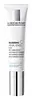
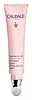
La Roche-Posay Redermic Vitamin C Anti-Ageing Eye Cream Versus Caudalie Resveratrol Lift Firming Eye Gel-Cream
This anti-aging eye moisturizer is formulated around Ascorbic Acid and Madecassoside to soften the look of wrinkles and brighten dull-looking skin.
This anti-aging eye moisturizer is formulated around Palmitoyl Grapevine Shoot Extract and Nicotiana Benthamiana Hexapeptide-40 Sh-Polypeptide-47 to soften the look of wrinkles and hydrate skin.

What's inside
What's inside
 Key Ingredients
Benefits
Concerns
Ingredients Side-by-side
Water
Skin ConditioningGlycerin
Humectant


Dimethicone
Emollient
Butyrospermum Parkii Butter
Skin Conditioning




Limnanthes Alba Seed Oil
Skin Conditioning
Ascorbic Acid
Antioxidant





Mannose
HumectantButylene Glycol
Humectant
Paraffinum Liquidum
Emollient
Ammonium Polyacryloyldimethyl Taurate
Emulsion StabilisingCetyl Alcohol
Emollient

Potassium Hydroxide
BufferingPEG-100 Stearate
Surfactant
Glyceryl Stearate
Emollient
Polymethylsilsesquioxane
Paraffin
Skin Conditioning
Microcrystalline Wax
Emulsion StabilisingMadecassoside
Antioxidant

Dimethicone/Vinyl Dimethicone Crosspolymer
Skin Conditioning
Dimethiconol
Emollient
Disodium EDTA
ChelatingPropylene Glycol
Humectant
Hydrolyzed Hyaluronic Acid
Humectant
Caprylyl Glycol
Emollient
Citric Acid
Buffering
Acetyl Dipeptide-1 Cetyl Ester
Skin Conditioning
Xanthan Gum
EmulsifyingToluene Sulfonic Acid
SurfactantPentaerythrityl Tetra-Di-T-Butyl Hydroxyhydrocinnamate
Antioxidant
Phenoxyethanol
Preservative
Water, Glycerin, Dimethicone, Butyrospermum Parkii Butter, Limnanthes Alba Seed Oil, Ascorbic Acid, Mannose, Butylene Glycol, Paraffinum Liquidum, Ammonium Polyacryloyldimethyl Taurate, Cetyl Alcohol, Potassium Hydroxide, PEG-100 Stearate, Glyceryl Stearate, Polymethylsilsesquioxane, Paraffin, Microcrystalline Wax, Madecassoside, Dimethicone/Vinyl Dimethicone Crosspolymer, Dimethiconol, Disodium EDTA, Propylene Glycol, Hydrolyzed Hyaluronic Acid, Caprylyl Glycol, Citric Acid, Acetyl Dipeptide-1 Cetyl Ester, Xanthan Gum, Toluene Sulfonic Acid, Pentaerythrityl Tetra-Di-T-Butyl Hydroxyhydrocinnamate, Phenoxyethanol
Water
Skin ConditioningButylene Glycol
Humectant
Glycerin
Humectant
Coco-Caprylate/Caprate
Emollient
Isoamyl Laurate
Emollient
Polyacrylate Crosspolymer-6
Emulsion StabilisingEthylhexylglycerin
Skin ConditioningSodium Polyacrylate
Absorbent
Palmitoyl Grapevine Shoot Extract
Antioxidant
Sclerotium Gum
Emulsion StabilisingXanthan Gum
EmulsifyingChenopodium Quinoa Seed Extract
Skin Conditioning
Helianthus Annuus Seed Oil
Emollient
Tocopherol
Antioxidant
Benzyl Alcohol
Perfuming



Hydrolyzed Hyaluronic Acid
Humectant
Caesalpinia Spinosa Fruit Extract
Skin ProtectingAdenosine
Skin Conditioning
Acetyl Dipeptide-1 Cetyl Ester
Skin Conditioning
Sodium Phytate
ChelatingSodium Benzoate
Masking
Kappaphycus Alvarezii Extract
Skin Conditioning
Hyaluronic Acid
Humectant
Pentylene Glycol
Skin Conditioning
Khaya Senegalensis Bark Extract
Skin ProtectingMaltodextrin
Absorbent
Paeonia Lactiflora Root Extract
Skin ConditioningNicotiana Benthamiana Hexapeptide-40 Sh-Polypeptide-47
Water, Butylene Glycol, Glycerin, Coco-Caprylate/Caprate, Isoamyl Laurate, Polyacrylate Crosspolymer-6, Ethylhexylglycerin, Sodium Polyacrylate, Palmitoyl Grapevine Shoot Extract, Sclerotium Gum, Xanthan Gum, Chenopodium Quinoa Seed Extract, Helianthus Annuus Seed Oil, Tocopherol, Benzyl Alcohol, Hydrolyzed Hyaluronic Acid, Caesalpinia Spinosa Fruit Extract, Adenosine, Acetyl Dipeptide-1 Cetyl Ester, Sodium Phytate, Sodium Benzoate, Kappaphycus Alvarezii Extract, Hyaluronic Acid, Pentylene Glycol, Khaya Senegalensis Bark Extract, Maltodextrin, Paeonia Lactiflora Root Extract, Nicotiana Benthamiana Hexapeptide-40 Sh-Polypeptide-47
Reviews
Ingredients Explained
These ingredients are found in both products.
Ingredients higher up in an ingredient list are typically present in a larger amount.
Acetyl Dipeptide-1 Cetyl Ester is a peptide composed of amino acids arginine and tyrosine.
This peptide is considered a neurotransmitter peptide, meaning it has pain-relieving and relaxing properties. It has the ability to calm skin irritation from external factors such as chemical stinging or heat.
Neurotransmitter peptides are also often called "botox in a bottle". This is because these peptides have the ability to relax the muscles.
Though relaxing the muscles can prevent expression lines (as we have seen in botox), the studies do not show these peptides to be a botox replacement. The effects of this muscle relaxation is also short-term, as opposed to longer-term results from botox.
Learn more about Acetyl Dipeptide-1 Cetyl EsterButylene Glycol (or BG) is used within cosmetic products for a few different reasons:
Overall, Butylene Glycol is a safe and well-rounded ingredient that works well with other ingredients.
Though this ingredient works well with most skin types, some people with sensitive skin may experience a reaction such as allergic rashes, closed comedones, or itchiness.
Learn more about Butylene GlycolGlycerin (or glycerol) is a compound naturally found in your skin. It's a powerhouse humectant that pulls water into the stratum corneum.
Topically, glycerin does several things at once:
Your skin makes glycerin on its own (mostly from sebaceous oil breakdown) and shuttles it to your outermost layer of skin, or your epidermis, via aquaporin-3.
Aquaporin-3 is a transporter that is essential for normal skin hydration, elasticity, and repair. Interestingly, mice lacking in AQP3 have dry and less elastic skin that can be fully corrected with glycerin.
This ingredient is non-irritating, plays well with almost every ingredient, and works across all skin types. Typical use is anywhere between 3-10% but can go up to 79% in some leave-on products.
Just know very high concentrations (>40%) can feel tacky in low humidity.
Glycerin is the name for this ingredient in American English. British English uses Glycerol/Glycerine.
Learn more about GlycerinHydrolyzed Hyaluronic Acid is hyaluronic acid (HA) that is broken down into lower molecular weight fragments.
It's a humectant that pulls and holds water in the skin to help with hydration, plumpness, and reduce transepidermal water loss.
Because hydrolyzed hyaluronic acid is smaller in size, it can slip past your outermost layer of skin more easily than full-sized HA.
Most formulations will combine all sizes to get the best of both worlds.
Typical usage levels range from 0.01-1%. Any percentage higher than 2% might become goopy and tacky.
Learn more about Hydrolyzed Hyaluronic AcidWater. It's the most common cosmetic ingredient of all. You'll usually see it at the top of ingredient lists, meaning that it makes up the largest part of the product.
So why is it so popular? Water most often acts as a solvent - this means that it helps dissolve other ingredients into the formulation.
You'll also recognize water as that liquid we all need to stay alive. If you see this, drink a glass of water. Remember to stay hydrated!
Learn more about WaterXanthan gum is used as a stabilizer and thickener within cosmetic products. It helps give products a sticky, thick feeling - preventing them from being too runny.
On the technical side of things, xanthan gum is a polysaccharide - a combination consisting of multiple sugar molecules bonded together.
Xanthan gum is a pretty common and great ingredient. It is a natural, non-toxic, non-irritating ingredient that is also commonly used in food products.
Learn more about Xanthan Gum

