
What's inside
What's inside
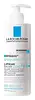 Key Ingredients
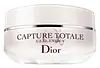
Benefits
Concerns
Ingredients Side-by-side
Water
Skin ConditioningGlycerin
Humectant


Isopropyl Palmitate
Emollient


Butyrospermum Parkii Butter
Skin Conditioning
Propanediol
Solvent
Cetyl Alcohol
Emollient

Myristyl Myristate
Emollient
Zea Mays Starch
Absorbent
Niacinamide
Smoothing








Ophiopogon Japonicus Root Extract
Skin ConditioningCarbomer
Emulsion StabilisingSodium Hydroxide
BufferingMannose
HumectantHydroxyacetophenone
Antioxidant
Caprylyl Glycol
Emollient
Vitreoscilla Ferment
Skin Conditioning
Citric Acid
Buffering

Maltodextrin
Absorbent
Polyglyceryl-3 Methylglucose Distearate
Emulsifying
Tocopherol
Antioxidant
Water, Glycerin, Isopropyl Palmitate, Butyrospermum Parkii Butter, Propanediol, Cetyl Alcohol, Myristyl Myristate, Zea Mays Starch, Niacinamide, Ophiopogon Japonicus Root Extract, Carbomer, Sodium Hydroxide, Mannose, Hydroxyacetophenone, Caprylyl Glycol, Vitreoscilla Ferment, Citric Acid, Maltodextrin, Polyglyceryl-3 Methylglucose Distearate, Tocopherol
Water
Skin ConditioningGlycerin
Humectant
Propylene Glycol Dicaprylate/Dicaprate
EmollientNiacinamide
Smoothing
Alcohol
Antimicrobial



Butylene Glycol
Humectant
Prunus Amygdalus Dulcis Oil
Skin Conditioning
Cetearyl Alcohol
Emollient
Butyrospermum Parkii Butter
Skin Conditioning
Pentaerythrityl Tetraisostearate
Emollient
Limnanthes Alba Seed Oil
Skin Conditioning
Steareth-21
CleansingDiglycerin
Humectant
Polyglycerin-3
Humectant
Aframomum Angustifolium Seed Extract
Skin ConditioningPaeonia Lactiflora Root Extract
Skin ConditioningLilium Candidum Bulb Extract
Skin ConditioningJasminum Officinale Flower Extract
Masking

Sodium Surfactin
CleansingCeramide NP
Skin Conditioning
Hydrolyzed Soy Protein
Humectant
Ascorbyl Glucoside
Antioxidant
Sodium Tocopheryl Phosphate
Antioxidant
Sodium Acetylated Hyaluronate
Humectant
Adenosine
Skin Conditioning
Xylitol
Humectant
Trehalose
Humectant
Palmaria Palmata Extract
Skin ProtectingCamelina Sativa Seed Oil
Skin Conditioning
Polymethyl Methacrylate
Dimethicone
Emollient
Cetearyl Glucoside
Emulsifying
Parfum
Masking
Glyceryl Stearate
Emollient
Caprylyl Glycol
Emollient
Chlorphenesin
Antimicrobial
Acrylates/C10-30 Alkyl Acrylate Crosspolymer
Emulsion StabilisingXanthan Gum
EmulsifyingCetyl Palmitate
Emollient
Cocoglycerides
Emollient
Sodium Hydroxide
BufferingGlucose
Humectant
CI 14700
Cosmetic ColorantCitric Acid
Buffering
Sodium Benzoate
Masking
Potassium Sorbate
Preservative
Tocopherol
Antioxidant
Water, Glycerin, Propylene Glycol Dicaprylate/Dicaprate, Niacinamide, Alcohol, Butylene Glycol, Prunus Amygdalus Dulcis Oil, Cetearyl Alcohol, Butyrospermum Parkii Butter, Pentaerythrityl Tetraisostearate, Limnanthes Alba Seed Oil, Steareth-21, Diglycerin, Polyglycerin-3, Aframomum Angustifolium Seed Extract, Paeonia Lactiflora Root Extract, Lilium Candidum Bulb Extract, Jasminum Officinale Flower Extract, Sodium Surfactin, Ceramide NP, Hydrolyzed Soy Protein, Ascorbyl Glucoside, Sodium Tocopheryl Phosphate, Sodium Acetylated Hyaluronate, Adenosine, Xylitol, Trehalose, Palmaria Palmata Extract, Camelina Sativa Seed Oil, Polymethyl Methacrylate, Dimethicone, Cetearyl Glucoside, Parfum, Glyceryl Stearate, Caprylyl Glycol, Chlorphenesin, Acrylates/C10-30 Alkyl Acrylate Crosspolymer, Xanthan Gum, Cetyl Palmitate, Cocoglycerides, Sodium Hydroxide, Glucose, CI 14700, Citric Acid, Sodium Benzoate, Potassium Sorbate, Tocopherol
Reviews
Ingredients Explained
These ingredients are found in both products.
Ingredients higher up in an ingredient list are typically present in a larger amount.
This ingredient is also known as shea butter. It is a plant-derived extract from the nuts of the Africa shea tree and one of the most well-studied emollients.
Because it has a high concentration of fatty acids (primarily oleic, stearic, and linoleic) it is able to form a protective barrier on the skin's surface. This helps seal in moisture and prevents transepidermal water loss (TEWL).
In vitro research found an increase in skin hydration by 58% and a decrease in TEWL by 37.8% after 24 hours of applying this ingredient (pretty impressive for a single ingredient!).
Besides hydration, shea butter also contains triterpenes that have anti-inflammatory potential. In particule, lupeol cinnamate has shown the highest anti-inflammatory activity in vivo.
Shea butter also contains vitamins A and E which may contribute to antioxidant activity.
While Shea Butter has an SPF rating of about 3-4, it is not a sunscreen replacement.
This ingredient may not be fungal acne safe because its fatty acids fall within the C11-C24 range that the Malassezia yeast can metabolize.
Learn more about Butyrospermum Parkii ButterCaprylyl Glycol is a humectant, skin conditioner, emollient, and preservative booster derived from either caprylic acid or synthetically created.
Typical use levels vary from 0.3-1% as a preservative booster and go up to 2% to condition skin.
Because it is not a free-fatty acid, this ingredient is fungal acne safe (there's nothing for Malassezia to feed on).
Learn more about Caprylyl GlycolCitric Acid is an alpha hydroxy acid (AHA) naturally found in citrus fruits like oranges, lemons, and limes.
Like other AHAs, citric acid can exfoliate skin by breaking down the bonds that hold dead skin cells together. This helps reveal smoother and brighter skin underneath.
However, this exfoliating effect only happens at high concentrations (20%) which can be hard to find in cosmetic products.
Due to this, citric acid is usually included in small amounts as a pH adjuster. This helps keep products slightly more acidic and compatible with skin's natural pH.
In skincare formulas, citric acid can:
While it can provide some skin benefits, research shows lactic acid and glycolic acid are generally more effective and less irritating exfoliants.
Most citric acid used in skincare today is made by fermenting sugars (usually from molasses). This synthetic version is identical to the natural citrus form but easier to stabilize and use in formulations.
Read more about some other popular AHA's here:
Learn more about Citric AcidGlycerin (or glycerol) is a compound naturally found in your skin. It's a powerhouse humectant that pulls water into the stratum corneum.
Topically, glycerin does several things at once:
Your skin makes glycerin on its own (mostly from sebaceous oil breakdown) and shuttles it to your outermost layer of skin, or your epidermis, via aquaporin-3.
Aquaporin-3 is a transporter that is essential for normal skin hydration, elasticity, and repair. Interestingly, mice lacking in AQP3 have dry and less elastic skin that can be fully corrected with glycerin.
This ingredient is non-irritating, plays well with almost every ingredient, and works across all skin types. Typical use is anywhere between 3-10% but can go up to 79% in some leave-on products.
Just know very high concentrations (>40%) can feel tacky in low humidity.
Glycerin is the name for this ingredient in American English. British English uses Glycerol/Glycerine.
Learn more about GlycerinNiacinamide is a multitasking form of vitamin B3 that strengthens the skin barrier, reduces pores and dark spots, regulates oil, and improves signs of aging.
And the best part? It's gentle and well-tolerated by most skin types, including sensitive and reactive skin.
You might have heard of "niacin flush", or the reddening of skin that causes itchiness. Niacinamide has not been found to cause this.
In very rare cases, some individuals may not be able to tolerate niacinamide at all or experience an allergic reaction to it.
If you are experiencing flaking, irritation, and dryness with this ingredient, be sure to double check all your products as this ingredient can be found in all categories of skincare.
When incorporating niacinamide into your routine, look out for concentration amounts. Typically, 5% niacinamide provides benefits such as fading dark spots. However, if you have sensitive skin, it is better to begin with a smaller concentration.
When you apply niacinamide to your skin, your body converts it into nicotinamide adenine dinucleotide (NAD). NAD is an essential coenzyme that is already found in your cells as "fuel" and powers countless biological processes.
In your skin, NAD helps repair cell damage, produce new healthy cells, support collagen production, strengthen the skin barrier, and fight environmental stressors (like UV and pollution).
Our natural NAD levels start to decline with age, leading to slower skin repair, visible aging, and a weaker skin barrier. By providing your skin niacinamide, you're recharging your skin's NAD levels. This leads to stronger, healthier, and younger looking skin.
Another name for vitamin B3 is nicotinamide. This vitamin is water-soluble and our bodies don't store it. We obtain Vitamin B3 from either food or skincare. Meat, fish, wheat, yeast, and leafy greens contain vitamin B3.
The type of niacinamide used in skincare is synthetically created.
Learn more about NiacinamideSodium Hydroxide is also known as lye or caustic soda. It is used to adjust the pH of products; many ingredients require a specific pH to be effective.
In small amounts, sodium hydroxide is considered safe to use. However, large amounts may cause chemical burns due to its high alkaline.
Your skin has a natural pH and acid mantle. This acid mantle helps prevent harmful bacteria from breaking through. The acid mantle also helps keep your skin hydrated.
"Alkaline" refers to a high pH level. A low pH level would be considered acidic.
Learn more about Sodium HydroxideTocopherol is a fat-soluble antioxidant known as Vitamin E.
You'll find this ingredient in the vast majority of skincare (for good reason). It works to neutralize free radicals, or unstable molecules generated by UV exposure, pollution, and other environmental stressors, before they can cause oxidative damage to your skin cells.
Topically applied tocopherol has been shown to protect against UV damage by ramping up the skin's own natural defense enzymes.
It also acts as a skin conditioning agent; some studies show that regular topical use can improve the skin's water-binding capacity over 2-4 weeks.
This ingredient is especially loved for being a team player. When combined with Vitamin C, the photoprotective effect of both ingredients roughly doubles and the combo also helps reduce UV-induced DNA damage.
This ingredient has some brightening potential but it's more of a prevention ingredient than spot-fader. Cell studies show it can slow down melanin production but it's worth noting that it's not the most powerful brightener out there.
In formulations, it also serves as a stabilizer that helps protect other oxidation-prone ingredients from degrading.
Concentrations usually range from 0.1-1% in most leave-on products.
Learn more about TocopherolWater. It's the most common cosmetic ingredient of all. You'll usually see it at the top of ingredient lists, meaning that it makes up the largest part of the product.
So why is it so popular? Water most often acts as a solvent - this means that it helps dissolve other ingredients into the formulation.
You'll also recognize water as that liquid we all need to stay alive. If you see this, drink a glass of water. Remember to stay hydrated!
Learn more about Water
