

What's inside
What's inside
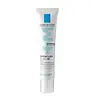 Key Ingredients
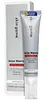
Benefits
Concerns
Ingredients Side-by-side
Water
Skin ConditioningGlycerin
Humectant



Dimethicone
Emollient
Isocetyl Stearate
Emollient


Niacinamide
Smoothing







Isopropyl Lauroyl Sarcosinate
Skin ConditioningSilica
Abrasive


Ammonium Polyacryloyldimethyl Taurate
Emulsion StabilisingOryza Sativa Starch
AbsorbentPunica Granatum Pericarp Extract
Skin ConditioningPotassium Cetyl Phosphate
EmulsifyingSorbitan Oleate
Emulsifying
Zinc PCA
Humectant
Glyceryl Stearate Se
Emulsifying
Isohexadecane
EmollientSodium Hydroxide
BufferingMyristyl Myristate
Emollient
2-Oleamido-1,3-Octadecanediol
Skin ConditioningMannose
HumectantPoloxamer 338
EmulsifyingPropanediol
Solvent
Hydroxyethoxyphenyl Butanone
Preservative
Capryloyl Salicylic Acid
Exfoliating
Caprylyl Glycol
Emollient
Vitreoscilla Ferment
Skin ConditioningCitric Acid
Buffering

Trisodium Ethylenediamine Disuccinate
Maltodextrin
Absorbent
Xanthan Gum
EmulsifyingPentylene Glycol
Skin ConditioningPolysorbate 80
Emulsifying
Acrylamide/Sodium Acryloyldimethyltaurate Copolymer
Emulsion StabilisingSalicylic Acid
Masking

Piroctone Olamine
Preservative
Parfum
Masking
Water, Glycerin, Dimethicone, Isocetyl Stearate, Niacinamide, Isopropyl Lauroyl Sarcosinate, Silica, Ammonium Polyacryloyldimethyl Taurate, Oryza Sativa Starch, Punica Granatum Pericarp Extract, Potassium Cetyl Phosphate, Sorbitan Oleate, Zinc PCA, Glyceryl Stearate Se, Isohexadecane, Sodium Hydroxide, Myristyl Myristate, 2-Oleamido-1,3-Octadecanediol, Mannose, Poloxamer 338, Propanediol, Hydroxyethoxyphenyl Butanone, Capryloyl Salicylic Acid, Caprylyl Glycol, Vitreoscilla Ferment, Citric Acid, Trisodium Ethylenediamine Disuccinate, Maltodextrin, Xanthan Gum, Pentylene Glycol, Polysorbate 80, Acrylamide/Sodium Acryloyldimethyltaurate Copolymer, Salicylic Acid, Piroctone Olamine, Parfum
Water
Skin ConditioningBentonite
Absorbent
Glycerin
Humectant
Calamine
AbsorbentPropanediol
Solvent
Aluminum Silicate
Abrasive
Silicon
Abrasive
Potassium Azeloyl Diglycinate
Skin Conditioning
Sulfur
Antiseborrhoeic
Zinc Oxide
Cosmetic Colorant

PEG-8
HumectantPolyacrylamide
Gluconolactone
Skin Conditioning
Zinc PCA
Humectant
Backhousia Citriodora Leaf Extract
AstringentOlea Europaea Fruit Oil
Masking
Carthamus Tinctorius Seed Oil
Masking
Papain
Skin ConditioningBromelain
Skin ConditioningXanthan Gum
EmulsifyingC13-14 Isoparaffin
Emollient
Salicylic Acid
Masking
C9-11 Pareth-6
EmulsifyingTrisodium Ethylenediamine Disuccinate
Isostearamidopropyl Ethyldimonium Ethosulfate

Sodium Hydroxide
BufferingTriethoxycaprylylsilane
Propylene Glycol
Humectant
Phenoxyethanol
Preservative
Ethylhexylglycerin
Skin ConditioningCitric Acid
Buffering
Water, Bentonite, Glycerin, Calamine, Propanediol, Aluminum Silicate, Silicon, Potassium Azeloyl Diglycinate, Sulfur, Zinc Oxide, PEG-8, Polyacrylamide, Gluconolactone, Zinc PCA, Backhousia Citriodora Leaf Extract, Olea Europaea Fruit Oil, Carthamus Tinctorius Seed Oil, Papain, Bromelain, Xanthan Gum, C13-14 Isoparaffin, Salicylic Acid, C9-11 Pareth-6, Trisodium Ethylenediamine Disuccinate, Isostearamidopropyl Ethyldimonium Ethosulfate, Sodium Hydroxide, Triethoxycaprylylsilane, Propylene Glycol, Phenoxyethanol, Ethylhexylglycerin, Citric Acid
Reviews
Ingredients Explained
These ingredients are found in both products.
Ingredients higher up in an ingredient list are typically present in a larger amount.
Citric Acid is an alpha hydroxy acid (AHA) naturally found in citrus fruits like oranges, lemons, and limes.
Like other AHAs, citric acid can exfoliate skin by breaking down the bonds that hold dead skin cells together. This helps reveal smoother and brighter skin underneath.
However, this exfoliating effect only happens at high concentrations (20%) which can be hard to find in cosmetic products.
Due to this, citric acid is usually included in small amounts as a pH adjuster. This helps keep products slightly more acidic and compatible with skin's natural pH.
In skincare formulas, citric acid can:
While it can provide some skin benefits, research shows lactic acid and glycolic acid are generally more effective and less irritating exfoliants.
Most citric acid used in skincare today is made by fermenting sugars (usually from molasses). This synthetic version is identical to the natural citrus form but easier to stabilize and use in formulations.
Read more about some other popular AHA's here:
Learn more about Citric AcidGlycerin is already naturally found in your skin. It helps moisturize and protect your skin.
A study from 2016 found glycerin to be more effective as a humectant than AHAs and hyaluronic acid.
As a humectant, it helps the skin stay hydrated by pulling moisture to your skin. The low molecular weight of glycerin allows it to pull moisture into the deeper layers of your skin.
Hydrated skin improves your skin barrier; Your skin barrier helps protect against irritants and bacteria.
Glycerin has also been found to have antimicrobial and antiviral properties. Due to these properties, glycerin is often used in wound and burn treatments.
In cosmetics, glycerin is usually derived from plants such as soybean or palm. However, it can also be sourced from animals, such as tallow or animal fat.
This ingredient is organic, colorless, odorless, and non-toxic.
Glycerin is the name for this ingredient in American English. British English uses Glycerol/Glycerine.
Learn more about GlycerinPropanediol is an all-star ingredient. It softens, hydrates, and smooths the skin.
It’s often used to:
Propanediol is not likely to cause sensitivity and considered safe to use. It is derived from corn or petroleum with a clear color and no scent.
Learn more about PropanediolSalicylic Acid (also known as beta hydroxy acid or BHA) is a well-known ingredient for treating skin that struggles with acne and clogged pores. It exfoliates both the skin's surface and deep within the pores to help clear out buildup, control oil, and reduce inflammation.
Unlike AHAs (alpha hydroxy acids), salicylic acid is oil-soluble. This allows it to penetrate into pores which makes it especially effective for treating blackheads and preventing future breakouts.
Salicylic acid is also known for its soothing properties. It has a similar structure to aspirin and can calm inflamed or irritated skin, making it a good option for acne-prone skin that is also sensitive.
Concentrations of 0.5-2% are recognized by the U.S. FDA as an over-the-counter topical acne product.
It can cause irritation and/or dryness if one's skin already has a compromised moisture barrier, so it's best to focus on repairing that before introducing this ingredient into your routine.
While salicylic acid does not increase sun sensitivity, it’s still important to wear sunscreen daily to protect your skin.
If you are looking for the ingredient called BHA or Butylated Hydroxyanisole, click here.
Learn more about Salicylic AcidSodium Hydroxide is also known as lye or caustic soda. It is used to adjust the pH of products; many ingredients require a specific pH to be effective.
In small amounts, sodium hydroxide is considered safe to use. However, large amounts may cause chemical burns due to its high alkaline.
Your skin has a natural pH and acid mantle. This acid mantle helps prevent harmful bacteria from breaking through. The acid mantle also helps keep your skin hydrated.
"Alkaline" refers to a high pH level. A low pH level would be considered acidic.
Learn more about Sodium HydroxideTrisodium Ethylenediamine Disuccinate is used to help stabilize a product.
It is a chelating agent, meaning it helps prevent metal ions from binding to other ingredients. This prevents unwanted reactions in products. Metal ions can come into a product via the water ingredient. They are found in trace amounts and are not known to be harmful.
Water. It's the most common cosmetic ingredient of all. You'll usually see it at the top of ingredient lists, meaning that it makes up the largest part of the product.
So why is it so popular? Water most often acts as a solvent - this means that it helps dissolve other ingredients into the formulation.
You'll also recognize water as that liquid we all need to stay alive. If you see this, drink a glass of water. Stay hydrated!
Learn more about WaterXanthan gum is used as a stabilizer and thickener within cosmetic products. It helps give products a sticky, thick feeling - preventing them from being too runny.
On the technical side of things, xanthan gum is a polysaccharide - a combination consisting of multiple sugar molecules bonded together.
Xanthan gum is a pretty common and great ingredient. It is a natural, non-toxic, non-irritating ingredient that is also commonly used in food products.
Learn more about Xanthan GumZinc PCA (or "zinc salt") differs slightly from zinc itself. PCA stands for pyrrolidone carboxylic acid. However, Zinc PCA comes from zinc.
It can help reduce redness, regulate sebum, and promote the general healing process of the skin.
Zinc PCA tends to be especially useful for those with oily, acne-prone skin. It's certainly an ingredient worth trying out!
Learn more about Zinc PCA
