
What's inside
What's inside
 Key Ingredients
Benefits
Concerns
Ingredients Side-by-side
Drometrizole Trisiloxane 7%
UV Absorber

Bis-Ethylhexyloxyphenol Methoxyphenyl Triazine 5%
Skin Conditioning
Ethylhexyl Salicylate 5%
UV Absorber

Octocrylene 5%
UV Absorber
Butyl Methoxydibenzoylmethane 3%
UV Absorber
Homosalate 2%
Skin Conditioning
Phenylbenzimidazole Sulfonic Acid 0.5%
UV Absorber
Water
Skin ConditioningAlcohol Denat.
Antimicrobial


Silica
Abrasive
Isopropyl Myristate
Emollient

Glycerin
Humectant



Diisopropyl Sebacate
EmollientC12-22 Alkyl Acrylate/Hydroxyethylacrylate Copolymer
StabilisingPropanediol
Solvent
Perlite
AbsorbentTocopherol
Antioxidant


Triethanolamine
BufferingCaprylyl Glycol
Emollient
Trisodium Ethylenediamine Disuccinate
Disodium EDTA
Hydroxyethylcellulose
Emulsion StabilisingAcrylates/C10-30 Alkyl Acrylate Crosspolymer
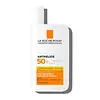
Emulsion StabilisingDrometrizole Trisiloxane 7%, Bis-Ethylhexyloxyphenol Methoxyphenyl Triazine 5%, Ethylhexyl Salicylate 5%, Octocrylene 5%, Butyl Methoxydibenzoylmethane 3%, Homosalate 2%, Phenylbenzimidazole Sulfonic Acid 0.5%, Water, Alcohol Denat., Silica, Isopropyl Myristate, Glycerin, Diisopropyl Sebacate, C12-22 Alkyl Acrylate/Hydroxyethylacrylate Copolymer, Propanediol, Perlite, Tocopherol, Triethanolamine, Caprylyl Glycol, Trisodium Ethylenediamine Disuccinate, Disodium EDTA, Hydroxyethylcellulose, Acrylates/C10-30 Alkyl Acrylate Crosspolymer
Zinc Oxide
Cosmetic Colorant
Water
Skin ConditioningTitanium Dioxide
Cosmetic Colorant
Coco-Caprylate/Caprate
Emollient
Isocetyl Stearoyl Stearate
Emollient
Isopropyl Palmitate
Emollient
Isodecyl Neopentanoate
EmollientIsododecane
EmollientIsohexadecane
EmollientPtfe
Triethylhexanoin
MaskingDicaprylyl Ether
Emollient
PEG-30 Dipolyhydroxystearate
Emulsifying
CI 77492
Cosmetic ColorantMica
Cosmetic Colorant
Alumina
Abrasive
Stearic Acid
Cleansing
Caprylyl Glycol
Emollient
PEG-45/Dodecyl Glycol Copolymer
Emulsion StabilisingSilica
Abrasive
Benzoic Acid
Masking
Caprylic/Capric Triglyceride
Masking
Disodium EDTA
Disteardimonium Hectorite
StabilisingGlyceryl Behenate
Emollient
Glyceryl Dibehenate
Emollient
Helianthus Annuus Seed Oil
Emollient
Pentaerythrityl Tetra-Di-T-Butyl Hydroxyhydrocinnamate
Antioxidant
Hydrocinnamyl Cinnamate
Perfuming
Polyamide-3
Sodium Chloride
Masking
CI 77891
Cosmetic ColorantTocopheryl Acetate
Antioxidant
Tocopheryl Glucoside
EmollientTribehenin
Emollient
Triethoxycaprylylsilane
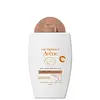
Zinc Oxide, Water, Titanium Dioxide, Coco-Caprylate/Caprate, Isocetyl Stearoyl Stearate, Isopropyl Palmitate, Isodecyl Neopentanoate, Isododecane, Isohexadecane, Ptfe, Triethylhexanoin, Dicaprylyl Ether, PEG-30 Dipolyhydroxystearate, CI 77492, Mica, Alumina, Stearic Acid, Caprylyl Glycol, PEG-45/Dodecyl Glycol Copolymer, Silica, Benzoic Acid, Caprylic/Capric Triglyceride, Disodium EDTA, Disteardimonium Hectorite, Glyceryl Behenate, Glyceryl Dibehenate, Helianthus Annuus Seed Oil, Pentaerythrityl Tetra-Di-T-Butyl Hydroxyhydrocinnamate, Hydrocinnamyl Cinnamate, Polyamide-3, Sodium Chloride, CI 77891, Tocopheryl Acetate, Tocopheryl Glucoside, Tribehenin, Triethoxycaprylylsilane
Reviews
Ingredients Explained
These ingredients are found in both products.
Ingredients higher up in an ingredient list are typically present in a larger amount.
Caprylyl Glycol is a humectant and emollient, meaning it attracts and preserves moisture.
It is a common ingredient in many products, especially those designed to hydrate skin. The primary benefits are retaining moisture, skin softening, and promoting a healthy skin barrier.
Though Caprylyl Glycol is an alcohol derived from fatty acids, it is not the kind that can dry out skin.
This ingredient is also used as a preservative to extend the life of products. It has slight antimicrobial properties.
Learn more about Caprylyl GlycolDisodium EDTA plays a role in making products more stable by aiding other preservatives.
It is a chelating agent, meaning it neutralizes metal ions that may be found in a product.
Disodium EDTA is a salt of edetic acid and is found to be safe in cosmetic ingredients.
Learn more about Disodium EDTASilica, also known as silicon dioxide, is a naturally occurring mineral. It is used as a fine, spherical, and porous powder in cosmetics.
Though it has exfoliant properties, the function of silica varies depending on the product.
The unique structure of silica enhances the spreadability and adds smoothness, making it a great texture enhancer.
It is also used as an active carrier, emulsifier, and mattifier due to its ability to absorb excess oil.
In some products, tiny microneedles called spicules are made from silica or hydrolyzed sponge. When you rub them in, they lightly polish away dead skin layers and enhance the penetration of active ingredients.
Learn more about SilicaWater. It's the most common cosmetic ingredient of all. You'll usually see it at the top of ingredient lists, meaning that it makes up the largest part of the product.
So why is it so popular? Water most often acts as a solvent - this means that it helps dissolve other ingredients into the formulation.
You'll also recognize water as that liquid we all need to stay alive. If you see this, drink a glass of water. Stay hydrated!
Learn more about Water
