La Mer Crème De La Mer Moisturizer Versus heimish Marine Care Deep Moisture Nourishing Melting Cream
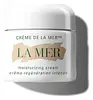
This moisturizer is formulated around Petrolatum and Copper Gluconate to hydrate skin.
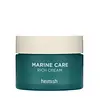
This barrier-repair night moisturizer is formulated around Petrolatum and Niacinamide to strengthen the skin barrier and hydrate skin.


What's inside
What's inside
 Key Ingredients
Benefits
Concerns
Ingredients Side-by-side
Algae Extract
Emollient

Paraffinum Liquidum
Emollient


Petrolatum
Emollient
Glycerin
Humectant

Isohexadecane
EmollientCera Microcristallina
Emulsion StabilisingLanolin Alcohol
Emollient
Citrus Aurantifolia Peel Extract
Cleansing
Sesamum Indicum Seed Oil
Emollient

Eucalyptus Globulus Leaf Oil
Perfuming

Sesamum Indicum Seed Powder
Skin ConditioningMedicago Sativa Seed Powder
Skin ConditioningHelianthus Annuus Seedcake
Abrasive
Prunus Amygdalus Dulcis Seed Meal
Abrasive
Sodium Gluconate
ChelatingCopper Gluconate
Skin Conditioning
Calcium Gluconate
HumectantMagnesium Gluconate
Skin ConditioningZinc Gluconate
Skin Conditioning



Magnesium Sulfate
Paraffin
Skin Conditioning
Tocopheryl Succinate
Antioxidant
Niacin
SmoothingWater
Skin ConditioningBeta-Carotene
Skin ConditioningDecyl Oleate
Emollient
Aluminum Distearate
Emulsion StabilisingOctyldodecanol
Emollient
Citric Acid
Buffering

Cyanocobalamin
Skin ConditioningMagnesium Stearate
Cosmetic ColorantPanthenol
Skin Conditioning

Zea Mays Oil
Emulsifying
Limonene
Perfuming
Geraniol
Perfuming
Linalool
Perfuming
Hydroxycitronellal
Perfuming
Citronellol
Perfuming
Benzyl Salicylate
Perfuming
Benzyl Benzoate
Antimicrobial
Sodium Benzoate
Masking
Alcohol Denat.
Antimicrobial

Parfum
Masking
Algae Extract, Paraffinum Liquidum, Petrolatum, Glycerin, Isohexadecane, Cera Microcristallina, Lanolin Alcohol, Citrus Aurantifolia Peel Extract, Sesamum Indicum Seed Oil, Eucalyptus Globulus Leaf Oil, Sesamum Indicum Seed Powder, Medicago Sativa Seed Powder, Helianthus Annuus Seedcake, Prunus Amygdalus Dulcis Seed Meal, Sodium Gluconate, Copper Gluconate, Calcium Gluconate, Magnesium Gluconate, Zinc Gluconate, Magnesium Sulfate, Paraffin, Tocopheryl Succinate, Niacin, Water, Beta-Carotene, Decyl Oleate, Aluminum Distearate, Octyldodecanol, Citric Acid, Cyanocobalamin, Magnesium Stearate, Panthenol, Zea Mays Oil, Limonene, Geraniol, Linalool, Hydroxycitronellal, Citronellol, Benzyl Salicylate, Benzyl Benzoate, Sodium Benzoate, Alcohol Denat., Parfum
Water
Skin ConditioningParaffinum Liquidum
Emollient
Petrolatum
Emollient
Microcrystalline Wax
Emulsion StabilisingGlycerin
Humectant
Phytosteryl/Isostearyl/Cetyl/Stearyl/Behenyl Dimer Dilinoleate
Skin Conditioning
Butylene Glycol Dicaprylate/Dicaprate
EmollientZinc Stearate
Cosmetic ColorantNiacinamide
Smoothing



Beeswax
Emulsion Stabilising
Cetyl PEG/PPG-10/1 Dimethicone
Emulsifying
Sodium Chloride
MaskingUndaria Pinnatifida Extract
Skin ConditioningEcklonia Cava Extract
Skin Conditioning
Sorbitan Olivate
Emulsifying
Ozokerite
Emulsion StabilisingLaminaria Japonica Extract
Skin Protecting
Hizikia Fusiforme Extract
Skin Conditioning
Panthenol
Skin Conditioning
Hydrolyzed Collagen
Emollient
Leontopodium Alpinum Callus Culture Extract
Antioxidant
Ulva Lactuca Extract
Skin ConditioningSolidago Virgaurea Extract
Skin ConditioningPorphyra Yezoensis Extract
Skin ConditioningLaminaria Digitata Extract
Skin Protecting
Laminaria Cloustoni Extract
Skin ProtectingEnteromorpha Compressa Extract
Skin Protecting
Codium Tomentosum Extract
Skin ProtectingCodium Fragile Extract
Skin Conditioning
Agarum Cribrosum Extract
Skin ConditioningEthylhexylglycerin
Skin ConditioningSodium Hyaluronate
Humectant
Copper Tripeptide-1
Skin Conditioning
Acetyl Hexapeptide-8
Humectant
Adenosine
Skin Conditioning
Butylene Glycol
Humectant
1,2-Hexanediol
Skin Conditioning
Hexyl Laurate
Emollient
Polyglyceryl-4 Isostearate
Emulsifying
Hydroxyacetophenone
Antioxidant
Hydrogenated Lecithin
Emulsifying
Parfum
Masking
Linalool
Perfuming
Butylphenyl Methylpropional
Perfuming
Disodium EDTA
ChelatingWater, Paraffinum Liquidum, Petrolatum, Microcrystalline Wax, Glycerin, Phytosteryl/Isostearyl/Cetyl/Stearyl/Behenyl Dimer Dilinoleate, Butylene Glycol Dicaprylate/Dicaprate, Zinc Stearate, Niacinamide, Beeswax, Cetyl PEG/PPG-10/1 Dimethicone, Sodium Chloride, Undaria Pinnatifida Extract, Ecklonia Cava Extract, Sorbitan Olivate, Ozokerite, Laminaria Japonica Extract, Hizikia Fusiforme Extract, Panthenol, Hydrolyzed Collagen, Leontopodium Alpinum Callus Culture Extract, Ulva Lactuca Extract, Solidago Virgaurea Extract, Porphyra Yezoensis Extract, Laminaria Digitata Extract, Laminaria Cloustoni Extract, Enteromorpha Compressa Extract, Codium Tomentosum Extract, Codium Fragile Extract, Agarum Cribrosum Extract, Ethylhexylglycerin, Sodium Hyaluronate, Copper Tripeptide-1, Acetyl Hexapeptide-8, Adenosine, Butylene Glycol, 1,2-Hexanediol, Hexyl Laurate, Polyglyceryl-4 Isostearate, Hydroxyacetophenone, Hydrogenated Lecithin, Parfum, Linalool, Butylphenyl Methylpropional, Disodium EDTA
Reviews
Alternatives
Ingredients Explained
These ingredients are found in both products.
Ingredients higher up in an ingredient list are typically present in a larger amount.
Glycerin (or glycerol) is a compound naturally found in your skin. It's a powerhouse humectant that pulls water into the stratum corneum.
Topically, glycerin does several things at once:
Your skin makes glycerin on its own (mostly from sebaceous oil breakdown) and shuttles it to your outermost layer of skin, or your epidermis, via aquaporin-3.
Aquaporin-3 is a transporter that is essential for normal skin hydration, elasticity, and repair. Interestingly, mice lacking in AQP3 have dry and less elastic skin that can be fully corrected with glycerin.
This ingredient is non-irritating, plays well with almost every ingredient, and works across all skin types. Typical use is anywhere between 3-10% but can go up to 79% in some leave-on products.
Just know very high concentrations (>40%) can feel tacky in low humidity.
Glycerin is the name for this ingredient in American English. British English uses Glycerol/Glycerine.
Learn more about GlycerinLinalool is a small, naturally occurring scent molecule found in plants like lavender, coriander, bergamot, and more.
It is one of the two most-used fragrance ingredients in cosmetics and added purely for smell. Since it's not used for a skin benefit, there's no "effective dose". Concentration depends on the fragrance load of the product.
The EU requires it to be named on the label above 0.001% in leave-on and 0.01% in rinse-off products.
Fresh linalool is a weak sensitizer but air exposure turns some of it into hydroperoxides, which are strong sensitizers. Those oxidation products are the actual allergy concern.
Patch-test clinics see positive reactions to linalool hydroperoxides in about 4% to 12% of dermatitis patients depending on country and test concentration.
Resassuringly, one analytical study found hydroperoxide levels in real fragranced products to be orders of magnitude below what induced sensitization in animal studies with no evidence of oxidation building up during normal storage.
The practical takeaway is that linalool is fine for most people but worth avoiding if you have a confirmed fragrance contact allergy or a badly compromised barrier.
Products stored a long time after opening are also the high-risk scenario since that is when oxidation happens.
The scent of linalool is described as floral, spicy tropical, and citrus-like.
Learn more about LinaloolPanthenol is a common ingredient that helps hydrate and soothe the skin. It is found naturally in our skin and hair.
There are two forms of panthenol: D and L.
D-panthenol is also known as dexpanthenol. Most cosmetics use dexpanthenol or a mixture of D and L-panthenol.
Panthenol is famous due to its ability to go deeper into the skin's layers. Using this ingredient has numerous pros (and no cons):
Like hyaluronic acid, panthenol is a humectant. Humectants are able to bind and hold large amounts of water to keep skin hydrated.
This ingredient works well for wound healing. It works by increasing tissue in the wound and helps close open wounds.
Once oxidized, panthenol converts to pantothenic acid. Panthothenic acid is found in all living cells.
This ingredient is also referred to as pro-vitamin B5.
Learn more about PanthenolParaffinum Liquidum is a highly-refined cosmetic-grade mineral oil. It is also known as liquid paraffin.
Despite its controversial reputation, the science is pretty clear: it's one of the most well-studied and effective moisturizing ingredients out there.
As an occlusive, it forms a protective layer on the skin that locks in moisture and prevents transepidermal water loss (TEWL). This makes it especially great for compromised skin barriers.
The "it clogs your pores" myth has been around for decades; a study found that industrial-grade mineral oil may be comedogenic but cosmetic-grade mineral oil is not (these two are very, very different).
A 2017 review concluded that cosmetic use of mineral oils and waxes does not present a risk to consumers due to absorption.
Mineral oil got a bad rap from the old rabbit ear studies. When tested on actual human skin, cosmetic-grade mineral oil showed no comedogenic activity. The rating of 0 is a correction of outdated science.
Mineral oil is an inert substance with no fatty acids so there's nothing to feed Malassezia. This ingredient is fungal acne safe.
Learn more about Paraffinum LiquidumParfum is a catch-all term for an ingredient or more that is used to give a scent to products.
Also called "fragrance", this ingredient can be a blend of hundreds of chemicals or plant oils. This means every product with "fragrance" or "parfum" in the ingredients list is a different mixture.
For instance, Habanolide is a proprietary trade name for a specific aroma chemical. When used as a fragrance ingredient in cosmetics, most aroma chemicals fall under the broad labeling category of “FRAGRANCE” or “PARFUM” according to EU and US regulations.
The term 'parfum' or 'fragrance' is not regulated in many countries. In many cases, it is up to the brand to define this term.
For instance, many brands choose to label themselves as "fragrance-free" because they are not using synthetic fragrances. However, their products may still contain ingredients such as essential oils that are considered a fragrance by INCI standards.
One example is Calendula flower extract. Calendula is an essential oil that still imparts a scent or 'fragrance'.
Depending on the blend, the ingredients in the mixture can cause allergies and sensitivities on the skin. Some ingredients that are known EU allergens include linalool and citronellol.
Parfum can also be used to mask or cover an unpleasant scent.
The bottom line is: not all fragrances/parfum/ingredients are created equally. If you are worried about fragrances, we recommend taking a closer look at an ingredient. And of course, we always recommend speaking with a professional.
Learn more about ParfumPetrolatum is more commonly known as petroleum jelly. It is created by mixing waxes and mineral oils.
This ingredient is effective at reducing water loss by 99%. This is because it is an occlusive. Occlusives create a hydrophobic barrier on the skin to prevent evaporation. This property makes it great for hydrating dry skin.
Pro tip: Use occlusives, such as this ingredient, on damp skin for the best results.
The quality or origin of petrolatum is only known when disclosed by the brand. Most cosmetic petrolatum has gone through several purification stages.
Another benefit of occlusives is it protects your skin against infection or allergies.
Petrolatum is fungal acne safe. It is a hydrocarbon with no fatty acid structure, so Malassezia cannot metabolize it. In-vitro studies support negligible growth stimulation as well.
It's also worth noting that petrolatum has a comedogenic rating of 0. In updated rabbit ear testing (and in human testing), petrolatum was found to be not comedogenic. This means it didn’t promote comedone formation in standard models.
Learn more about PetrolatumWater. It's the most common cosmetic ingredient of all. You'll usually see it at the top of ingredient lists, meaning that it makes up the largest part of the product.
So why is it so popular? Water most often acts as a solvent - this means that it helps dissolve other ingredients into the formulation.
You'll also recognize water as that liquid we all need to stay alive. If you see this, drink a glass of water. Remember to stay hydrated!
Learn more about Water

