
What's inside
What's inside
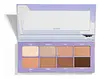 Key Ingredients
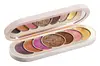
Benefits
Concerns
Ingredients Side-by-side
Mica
Cosmetic ColorantSynthetic Fluorphlogopite
Calcium Silicate
AbsorbentSilica
Abrasive


Octyldodecyl Stearoyl Stearate
Emollient

Zea Mays Starch
Absorbent
Polyglyceryl-2 Dipolyhydroxystearate
Skin Conditioning
Caprylic/Capric Triglyceride
Masking


Cucumis Sativus Fruit Extract
Emollient

Glyceryl Triacetyl Ricinoleate
Emollient
Helianthus Annuus Seed Extract
Skin Conditioning
Hordeum Vulgare Extract
EmollientHydrogenated Lecithin
Emulsifying
Octyldodecanol
Emollient
Pentylene Glycol
Skin Conditioning
Phenethyl Alcohol
MaskingPolyglyceryl-3 Diisostearate
Emulsifying


Potassium Sorbate
Preservative
Propanediol
Solvent
Butyrospermum Parkii Butter
Skin Conditioning
Squalane
Emollient
Tocopherol
Antioxidant



Tridecane
Perfuming

Trimyristin
Skin Conditioning
Undecane
EmollientZinc Stearate
Cosmetic ColorantCI 77891
Cosmetic ColorantCI 77491
Cosmetic ColorantCI 77492
Cosmetic ColorantCI 77499
Cosmetic ColorantCI 77007
Cosmetic ColorantCI 16035
Cosmetic ColorantSucrose Acetate Isobutyrate
Polyhydroxystearic Acid
Emulsifying
Coconut Alkanes
Emollient
Oryza Sativa Bran Wax
Skin Conditioning
Coco-Caprylate/Caprate
Emollient
Mica, Synthetic Fluorphlogopite, Calcium Silicate, Silica, Octyldodecyl Stearoyl Stearate, Zea Mays Starch, Polyglyceryl-2 Dipolyhydroxystearate, Caprylic/Capric Triglyceride, Cucumis Sativus Fruit Extract, Glyceryl Triacetyl Ricinoleate, Helianthus Annuus Seed Extract, Hordeum Vulgare Extract, Hydrogenated Lecithin, Octyldodecanol, Pentylene Glycol, Phenethyl Alcohol, Polyglyceryl-3 Diisostearate, Potassium Sorbate, Propanediol, Butyrospermum Parkii Butter, Squalane, Tocopherol, Tridecane, Trimyristin, Undecane, Zinc Stearate, CI 77891, CI 77491, CI 77492, CI 77499, CI 77007, CI 16035, Sucrose Acetate Isobutyrate, Polyhydroxystearic Acid, Coconut Alkanes, Oryza Sativa Bran Wax, Coco-Caprylate/Caprate
Calcium Sodium Borosilicate
Silica
Abrasive
Caprylyl Methicone
Skin Conditioning
Mica
Cosmetic ColorantDimethiconol
Emollient
Magnesium Stearate
Cosmetic ColorantIsononyl Isononanoate
EmollientTrimethylsiloxysilicate
Emollient
Octyldodecyl Stearoyl Stearate
Emollient
Glyceryl Caprylate
EmollientPentylene Glycol
Skin Conditioning
Dimethicone
Emollient
Tin Oxide
Abrasive
Magnolia Officinalis Bark Extract
Antimicrobial
Water
Skin ConditioningTalc
Abrasive
Caprylic/Capric Triglyceride
Masking
Zinc Stearate
Cosmetic ColorantSodium Dehydroacetate
Preservative
Phenoxyethanol
Preservative
Aluminum Dimyristate
Emulsion StabilisingTriethoxycaprylylsilane
Disodium Stearoyl Glutamate
CleansingSorbic Acid
Preservative
Ethylene/Acrylic Acid Copolymer
Emulsion StabilisingPoloxamer 338
EmulsifyingPolyethylene Terephthalate
Ricinus Communis Seed Oil
Masking
Polylactic Acid
Abrasive
Polymethyl Methacrylate
Synthetic Fluorphlogopite
Polyurethane-11
Cocos Nucifera Oil
Masking
Synthetic Wax
Abrasive
Magnesium Myristate
Acrylates Copolymer
Lauroyl Lysine
Skin Conditioning
Tocopheryl Acetate
Antioxidant
Ethylhexylglycerin
Skin ConditioningCaesalpinia Sappan Bark Extract
Skin ConditioningIron Oxides
CI 77891
Cosmetic ColorantCI 77742
Cosmetic ColorantCI 77007
Cosmetic ColorantCI 16035
Cosmetic ColorantCI 19140
Cosmetic ColorantCI 77000
Cosmetic ColorantCI 42090
Cosmetic ColorantCalcium Sodium Borosilicate, Silica, Caprylyl Methicone, Mica, Dimethiconol, Magnesium Stearate, Isononyl Isononanoate, Trimethylsiloxysilicate, Octyldodecyl Stearoyl Stearate, Glyceryl Caprylate, Pentylene Glycol, Dimethicone, Tin Oxide, Magnolia Officinalis Bark Extract, Water, Talc, Caprylic/Capric Triglyceride, Zinc Stearate, Sodium Dehydroacetate, Phenoxyethanol, Aluminum Dimyristate, Triethoxycaprylylsilane, Disodium Stearoyl Glutamate, Sorbic Acid, Ethylene/Acrylic Acid Copolymer, Poloxamer 338, Polyethylene Terephthalate, Ricinus Communis Seed Oil, Polylactic Acid, Polymethyl Methacrylate, Synthetic Fluorphlogopite, Polyurethane-11, Cocos Nucifera Oil, Synthetic Wax, Magnesium Myristate, Acrylates Copolymer, Lauroyl Lysine, Tocopheryl Acetate, Ethylhexylglycerin, Caesalpinia Sappan Bark Extract, Iron Oxides, CI 77891, CI 77742, CI 77007, CI 16035, CI 19140, CI 77000, CI 42090
Reviews
Ingredients Explained
These ingredients are found in both products.
Ingredients higher up in an ingredient list are typically present in a larger amount.
Caprylic/Capric Triglyceride (aka MCT Oil) is a lightweight emollient, solvent, and texture enhancer. It is considered a skin-softener by helping to prevent moisture loss.
Though it behaves like an oil, it is not technically one due to its chemical composition. One perk of this ingredient is that it is very stable, resistant to oxidation, and unlikely to go rancid.
In practice, that translates to a long shelf life and a consistently elegant skin feel.
While there is an assumption Caprylic Triglyceride can clog pores due to it being derived from coconut oil, there is no research supporting this. Just patch test if you have concerns.
Fractionated coconut oil and MCT Oil are both listed as Caprylic/Capric Triglyceride according to INCI. This is because INCI names are based on the ingredient’s final chemical composition and not its marketing name or source.
This ingredient is treated as the gold standard fungal acne safe oil. Even though it is coconut derived, the problematic lauric acid is stripped out.
This leaves just caprylic (C8) and capric (C10) acid. These chain lengths actually trend antifungal; a 2020 study found caprylic acid was enough to disrupt Malassezia furfur cell membrane, with a caprylic acid derivative damaging membrane structures at concentrations as low as 0.2%.
Learn more about Caprylic/Capric TriglycerideCi 16035 is a synthetic dark-red dye. This dye is created from an acid called Allura red AC, an azo dye.
Azo dyes need to be purified thoroughly before use. This makes them more stable and longer lasting.
This dye is commonly used in foods, approved by both the FDA and EFSA.
Learn more about CI 16035This pigment is called Ultramarine blue lazurite. It gives a saturated blue color, but can be used to create other colors as well.
According to the manufacturer, it is usually made from kaolin, sodium sulfate, sodium carbonate, sulfur, and charcoal.
Ci 77891 is a white pigment from Titanium dioxide. It is naturally found in minerals such as rutile and ilmenite.
It's main function is to add a white color to cosmetics. It can also be mixed with other colors to create different shades.
Ci 77891 is commonly found in sunscreens due to its ability to block UV rays.
Learn more about CI 77891Mica is a naturally occurring mineral used to add shimmer and color in cosmetics. It can also help improve the texture of a product or give it an opaque, white/silver color.
Serecite is the name for very fine but ragged grains of mica.
This ingredient is often coated with metal oxides like titanium dioxide. Trace amounts of heavy metals may be found in mica, but these metals are not harmful in our personal products.
Mica has been used since prehistoric times throughout the world. Ancient Egyptian, Indian, Greek, Roman, Aztec, and Chinese civilizations have used mica.
Learn more about MicaOctyldodecyl Stearoyl Stearate is an emollient ester that mostly shows up in color cosmetics.
Functionally, it works as a skin-conditioning agent and a viscosity-increasing agent. This just means it helps soften skin while also thickening water-free formulas (like powders).
Despite being a "stearate", it has a lightweight, cushiony, and non-greasy slip.
This ingredient has shown no adverse effects in testing and is deemed safe in cosmetics at current use levels.
Typical concentrations range from 0.7-23%.
Because it is made of C-18 fatty acids (like stearic acid), this ingredient may not be fungal acne safe.
Learn more about Octyldodecyl Stearoyl StearatePentylene Glycol (1,2-pentanediol) is a multitasking little diol with three main roles in a formula:
Research on alkanediols (the family pentylene glycol belongs to) show they work by disrupting microbial cell membranes. This disruption helps the primary preservative system in a product work more effectively at lower doses.
On the safety side, the Cosmetic Ingredient Review Expert Panel has concluded this ingredient to be safe as used in current cosmetic practices + concentrations.
Typical use levels in a formula run about 1-5%.
Learn more about Pentylene GlycolSilica, also known as silicon dioxide, is a naturally occurring mineral. It is used as a fine, spherical, and porous powder in cosmetics.
Though it has exfoliant properties, the function of silica varies depending on the product.
The unique structure of silica enhances the spreadability and adds smoothness, making it a great texture enhancer.
It is also used as an active carrier, emulsifier, and mattifier due to its ability to absorb excess oil.
In some products, tiny microneedles called spicules are made from silica or hydrolyzed sponge. When you rub them in, they lightly polish away dead skin layers and enhance the penetration of active ingredients.
Learn more about SilicaSynthetic Fluorphlogopite is the synthethic version of mica. It consists of fluorine, aluminum and silicate.
Synthetic Fluorphlogopite is used to add volume to products.
It is considered non-irritating on the skin.
Learn more about Synthetic FluorphlogopiteZinc Stearate is the metal salt of stearic acid. It is a white solid used to bind, thicken, and lubricate products.
This ingredient is common in powder makeup, where it helps keep the powder together.
Zinc Stearate is hydrophobic and repels water.
This ingredient can be sourced from non-animal or animal sources. It is best to reach out to the brand to see where they source this ingredient from.
Learn more about Zinc Stearate

