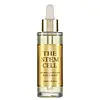
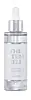
Kor Japan The Stem Cell Retinol & Vitamin Essence Versus Kor Japan The Stem Cell PDRN & Glutathione Pure Essence
This anti-aging essence is formulated around Retinol and Ascorbic Acid to soften the look of wrinkles and brighten dull-looking skin.
This brightening essence is formulated around Glutathione and Sodium DNA to brighten dull-looking skin and soften the look of wrinkles.

What's inside
What's inside
 Key Ingredients
Benefits
Concerns
Ingredients Side-by-side
Water
Skin ConditioningPropylene Glycol
Humectant


Glycerin
Humectant

Human Adipose Derived Mesenchymal Cell Exosomes
Skin ConditioningHuman Adipocyte Conditioned Media Extract
Retinol
Skin Conditioning








Hydrogenated Lecithin
Emulsifying
Retinyl Palmitate
Skin Conditioning
Bakuchiol
Antimicrobial



Magnesium Ascorbyl Phosphate
Antioxidant
Ascorbic Acid
Antioxidant
3-O-Ethyl Ascorbic Acid
Skin Conditioning
Trisodium Ascorbyl Palmitate Phosphate
Antioxidant
Niacinamide
Smoothing
Xanthan Gum
EmulsifyingSodium Dilauramidoglutamide Lysine
HumectantCitric Acid
Buffering
Sodium Citrate
BufferingSodium PCA
Humectant
Disodium EDTA
ChelatingPhellodendron Amurense Bark Extract
Skin ConditioningButylene Glycol
Humectant
Glyceryl Citrate/Lactate/Linoleate/Oleate
Emulsifying
Olea Europaea Fruit Oil
Masking


Polysorbate 60
Emulsifying
1,2-Hexanediol
Skin Conditioning
Caprylyl Glycol
Emollient
Tropolone
Skin ConditioningArachis Hypogaea Oil
Skin Conditioning
PEG-60 Hydrogenated Castor Oil
Emulsifying
Tocopherol
Antioxidant
Tocopheryl Acetate
Antioxidant
PEG-100 Hydrogenated Castor Oil
Emulsifying
Dihydrocholesterol
EmollientTriethylhexanoin
MaskingCholesterol
Emollient
Phenoxyethanol
Preservative
Methylparaben
Preservative

Water, Propylene Glycol, Glycerin, Human Adipose Derived Mesenchymal Cell Exosomes, Human Adipocyte Conditioned Media Extract, Retinol, Hydrogenated Lecithin, Retinyl Palmitate, Bakuchiol, Magnesium Ascorbyl Phosphate, Ascorbic Acid, 3-O-Ethyl Ascorbic Acid, Trisodium Ascorbyl Palmitate Phosphate, Niacinamide, Xanthan Gum, Sodium Dilauramidoglutamide Lysine, Citric Acid, Sodium Citrate, Sodium PCA, Disodium EDTA, Phellodendron Amurense Bark Extract, Butylene Glycol, Glyceryl Citrate/Lactate/Linoleate/Oleate, Olea Europaea Fruit Oil, Polysorbate 60, 1,2-Hexanediol, Caprylyl Glycol, Tropolone, Arachis Hypogaea Oil, PEG-60 Hydrogenated Castor Oil, Tocopherol, Tocopheryl Acetate, PEG-100 Hydrogenated Castor Oil, Dihydrocholesterol, Triethylhexanoin, Cholesterol, Phenoxyethanol, Methylparaben
Water
Skin ConditioningPropylene Glycol
Humectant
Glycerin
Humectant
Human Adipocyte Conditioned Media
Human Adipose Derived Mesenchymal Cell Exosomes
Skin ConditioningGlutathione
Sorbitol
Humectant
Ascorbic Acid
Antioxidant
Colloidal Gold
AntimicrobialSodium DNA
Skin Conditioning
Oligopeptide-1
Skin Conditioning
Hydroxypropyltrimonium Hyaluronate
Oligopeptide-68
Bleaching
Nicotinamide Mononucleotide
Antioxidant
Niacinamide
Smoothing
Sodium Dilauramidoglutamide Lysine
HumectantSodium PCA
Humectant
Polyglyceryl-10 Myristate
Skin Conditioning
Triethylhexanoin
MaskingDiphenyl Dimethicone
Emollient
Butylene Glycol
Humectant
Glyceryl Citrate/Lactate/Linoleate/Oleate
Emulsifying
Olea Europaea Fruit Oil
Masking
Polysorbate 60
Emulsifying
1,2-Hexanediol
Skin Conditioning
Caprylyl Glycol
Emollient
Tropolone
Skin ConditioningPropanediol
Solvent
Hydrogenated Lecithin
Emulsifying
Glycine Soja Oil
Emollient
Sodium Oleate
CleansingCholesterol
Emollient
Sodium Cocoyl Sarcosinate
Cleansing
Alcohol Denat.
Antimicrobial

Citric Acid
Buffering
Sodium Citrate
BufferingXanthan Gum
EmulsifyingDisodium EDTA
ChelatingPhenoxyethanol
Preservative
Water, Propylene Glycol, Glycerin, Human Adipocyte Conditioned Media, Human Adipose Derived Mesenchymal Cell Exosomes, Glutathione, Sorbitol, Ascorbic Acid, Colloidal Gold, Sodium DNA, Oligopeptide-1, Hydroxypropyltrimonium Hyaluronate, Oligopeptide-68, Nicotinamide Mononucleotide, Niacinamide, Sodium Dilauramidoglutamide Lysine, Sodium PCA, Polyglyceryl-10 Myristate, Triethylhexanoin, Diphenyl Dimethicone, Butylene Glycol, Glyceryl Citrate/Lactate/Linoleate/Oleate, Olea Europaea Fruit Oil, Polysorbate 60, 1,2-Hexanediol, Caprylyl Glycol, Tropolone, Propanediol, Hydrogenated Lecithin, Glycine Soja Oil, Sodium Oleate, Cholesterol, Sodium Cocoyl Sarcosinate, Alcohol Denat., Citric Acid, Sodium Citrate, Xanthan Gum, Disodium EDTA, Phenoxyethanol
Ingredients Explained
These ingredients are found in both products.
Ingredients higher up in an ingredient list are typically present in a larger amount.
1,2-Hexanediol is a synthetic liquid and another multi-functional powerhouse.
It is a:
- Humectant, drawing moisture into the skin
- Emollient, helping to soften skin
- Solvent, dispersing and stabilizing formulas
- Preservative booster, enhancing the antimicrobial activity of other preservatives
Ascorbic Acid is is pure Vitamin C and is the biologically active form used directly by skin.
Not only is vitamin C great for your overall health and immune system, but it also has plenty of benefits for your skin. It is best supported by academic literature for:
Topical vitamin C has been shown to help neutralize oxidative stress from UV and pollution, helping to improve photoaging and hyperpigmentation when used consistently.
One clinical study found that using 5% topical vitamin C for six months improved signs of photodamaged skin, both on the surface and in the deeper structural layers of the skin.
While vitamin C doesn’t replace sunscreen, studies show it can boost photoprotection when combined with Vitamin E and ferulic acid. These two ingredients help improve stability and protective effects.
The big downside of this ingredient is formulation difficulty. Vitamin C is prone to oxidation and doesn't penetrate the skin unless formulated correctly. Research found that vitamin C absorbs into the skin best at a low pH (< 3.5) with about 20% being the upper limit for effective absorption.
Skin levels can saturate after repeated application; this means your skin won’t keep absorbing more once it’s full of vitamin C. This is why more isn’t always better with vitamin C and why very high concentrations don’t necessarily give extra benefits.
Ascorbic acid generally works well with many skincare ingredients but can be irritating when combined with other active ingredients. Strong oxidizing acne treatments like benzoyl peroxide can reduce the effectiveness of vitamin C if they are used at the same time; they are often recommended for use at different times of day.
Read more about other types of Vitamin C:
Foods rich with vitamin C include oranges, strawberries, broccoli, bell peppers, and more. When consuming Vitamin C, your skin receives a portion of the nutrients.
Learn more about Ascorbic AcidButylene Glycol (or BG) is used within cosmetic products for a few different reasons:
Overall, Butylene Glycol is a safe and well-rounded ingredient that works well with other ingredients.
Though this ingredient works well with most skin types, some people with sensitive skin may experience a reaction such as allergic rashes, closed comedones, or itchiness.
Learn more about Butylene GlycolCaprylyl Glycol is a humectant, skin conditioner, emollient, and preservative booster derived from either caprylic acid or synthetically created.
Typical use levels vary from 0.3-1% as a preservative booster and go up to 2% to condition skin.
Because it is not a free-fatty acid, this ingredient is fungal acne safe (there's nothing for Malassezia to feed on).
Learn more about Caprylyl GlycolCholesterol is a lipid that is naturally found in human skin and is one of the three key components of your skin barrier. In skincare, it is an emollient and barrier-repairing ingredient.
It works by fitting directly into the lipid layers of skin to help restore structure and reduce transepidermal water loss (TEWL).
This is a great ingredient for dry, compromised, or aging skin; our skin starts to produce less cholesterol with age.
Research shows cholesterol works best in combination with ceramides and fatty acids, the other two major components in your skin barrier.
Cholesterol is also a well-establish penetration enhancer and can help other actives absorb more effectively.
Cosmetic-grade cholesterol is usually derived from lanolin but plant and synthetic options also exist. We recommend reaching out to the brand if you have questions about their source of cholesterol.
Learn more about CholesterolCitric Acid is an alpha hydroxy acid (AHA) naturally found in citrus fruits like oranges, lemons, and limes.
Like other AHAs, citric acid can exfoliate skin by breaking down the bonds that hold dead skin cells together. This helps reveal smoother and brighter skin underneath.
However, this exfoliating effect only happens at high concentrations (20%) which can be hard to find in cosmetic products.
Due to this, citric acid is usually included in small amounts as a pH adjuster. This helps keep products slightly more acidic and compatible with skin's natural pH.
In skincare formulas, citric acid can:
While it can provide some skin benefits, research shows lactic acid and glycolic acid are generally more effective and less irritating exfoliants.
Most citric acid used in skincare today is made by fermenting sugars (usually from molasses). This synthetic version is identical to the natural citrus form but easier to stabilize and use in formulations.
Rosacea skin has a lower threshold for acids generally, with 62.5% of rosacea subjects in one study reacting to lactic acid in a sting test. This is why we mark citric acid as a potential rosacea trigger.
However, this ingredient shows up as a pH adjuster or chelator at roughly 0.1-1% in many products. These low levels are unlikely to be an issue for rosacea skin and becomes a potential trigger at exfoliating concentrations (20%). Because everybody's skin is unique, we recommend a patch test if you are unsure.
Learn more about Citric AcidDisodium EDTA is a chelating agent. It grabs onto and deactivates metal ions that sneak into your products from water, packaging, or air.
This ingredient mainly works behind the scenes and helps with:
On top of that, this ingredient can counteract the effects of hard water by binding to the minerals in it.
One thing worth knowing is that Disodium EDTA has been shown to be a mild penetration enhancer. It can help other ingredients absorb into skin more effectively which can be a double-edged sword (great for actives, but can also make the active too strong if you have sensitive skin).
Clinical patch testing showed no significant skin irritation at typical use concentrations and minimal dermal absorption.
You'll most likely see this ingredient near the end of an ingredient list. It's typically found in concentrations less than 1%.
Learn more about Disodium EDTAGlycerin (or glycerol) is a compound naturally found in your skin. It's a powerhouse humectant that pulls water into the stratum corneum.
Topically, glycerin does several things at once:
Your skin makes glycerin on its own (mostly from sebaceous oil breakdown) and shuttles it to your outermost layer of skin, or your epidermis, via aquaporin-3.
Aquaporin-3 is a transporter that is essential for normal skin hydration, elasticity, and repair. Interestingly, mice lacking in AQP3 have dry and less elastic skin that can be fully corrected with glycerin.
This ingredient is non-irritating, plays well with almost every ingredient, and works across all skin types. Typical use is anywhere between 3-10% but can go up to 79% in some leave-on products.
Just know very high concentrations (>40%) can feel tacky in low humidity.
Glycerin is the name for this ingredient in American English. British English uses Glycerol/Glycerine.
Learn more about GlycerinGlyceryl Citrate/Lactate/Linoleate/Oleate isn't fungal acne safe.
We don't have a description for Human Adipose Derived Mesenchymal Cell Exosomes yet.
Hydrogenated Lecithin is a more stable version of lecithin.
It's made by taking lecithin (a phospholipid commonly found in soybeans and egg yolks) and hydrogenating it. This just means the unsaturated fatty acids are turned into saturated ones so they don't go bad as easily.
This ingredient is an emollient, emulsifier, and penetration enhancer. As an emollient, it helps soften and hydrate skin by trapping moisture within. As an emulsifier, it prevents oil and water ingredients from separating.
Hydrogenated Lecithin can form tiny spherical structures made of phospholipid bilayers called liposomes. These liposomes are able to capture compounds inside their structure and deliver them through the skin barrier.
Because phospholipids are a natural component of our cell membranes, this ingredient is inherently compatible with skin.
A 2021 study found lecithin-based surfactants were less harsh and more tolerable comared to Sodium Lauryl Sulfate (SLS).
Learn more about Hydrogenated LecithinNiacinamide is a multitasking form of vitamin B3 that strengthens the skin barrier, reduces pores and dark spots, regulates oil, and improves signs of aging.
And the best part? It's gentle and well-tolerated by most skin types, including sensitive and reactive skin.
You might have heard of "niacin flush", or the reddening of skin that causes itchiness. Niacinamide has not been found to cause this.
In very rare cases, some individuals may not be able to tolerate niacinamide at all or experience an allergic reaction to it.
If you are experiencing flaking, irritation, and dryness with this ingredient, be sure to double check all your products as this ingredient can be found in all categories of skincare.
When incorporating niacinamide into your routine, look out for concentration amounts. Typically, 5% niacinamide provides benefits such as fading dark spots. However, if you have sensitive skin, it is better to begin with a smaller concentration.
When you apply niacinamide to your skin, your body converts it into nicotinamide adenine dinucleotide (NAD). NAD is an essential coenzyme that is already found in your cells as "fuel" and powers countless biological processes.
In your skin, NAD helps repair cell damage, produce new healthy cells, support collagen production, strengthen the skin barrier, and fight environmental stressors (like UV and pollution).
Our natural NAD levels start to decline with age, leading to slower skin repair, visible aging, and a weaker skin barrier. By providing your skin niacinamide, you're recharging your skin's NAD levels. This leads to stronger, healthier, and younger looking skin.
Another name for vitamin B3 is nicotinamide. This vitamin is water-soluble and our bodies don't store it. We obtain Vitamin B3 from either food or skincare. Meat, fish, wheat, yeast, and leafy greens contain vitamin B3.
The type of niacinamide used in skincare is synthetically created.
Learn more about NiacinamideThis ingredient is also known as olive oil. It has been used in skincare for centuries and science largely backs up its reputation as a nourishing emollient.
The main components of olive oil are oleic acid (55-83%), linoleic acid (3.5-20%), and palmitic acid (7-20%). Oleic acid promotes skin regeneration and helps regulate inflammatory responses.
Squalene is also naturally present in olive oil and exhibits moisturizing and antioxidant properties.
The polyphenols in olive oil also show anti-aging promise; one clinical study found a measurable improvement in skin appearance after 30 days of topical serum use.
Just be aware that applying olive oil directly to skin can weaken the barrier and cause redness. One study with volunteers found even people without sensitive skin experienced a significant reduction in stratum corneum integrity and induced mild erythema.
It's best to use this ingredient as part of a carefully crafted formula (instead of putting it on skin directly from the bottle).
Because it has a 0-2 on the comedogenic scale, it is low risk for acne-prone skin. Just remember the overall formulation of a product matters more than a few ingredients with comedogenic ratings.
This ingredient may not be fungal acne safe because of the oleic and palmitic acid content. These fall within the C11-24 fatty acid range that the Malassezia yeast can metabolize to grow.
Overall, olive oil is a well-studied and nourishing skincare ingredient.
Learn more about Olea Europaea Fruit OilPhenoxyethanol is one of the most widely used preservatives in skincare (and for good reason!).
It has a large spectrum of antimicrobial activity and especially effective bacteria, yeast, and mold while only having a weak effect on your skin's natural microbiome.
On a cellular level, it disrupts the cell membranes of microbes by poking holes that make the cell leak. This shuts down the chemical reactions the microbe needs to make energy so it can no longer survive.
Another perk of this ingredient is that it stays functional across a wide pH range (3-10).
You'll often see it paired with boosters like Ethylhexylglycerin; one study showed that a 1:9 ratio of Ethylhexylglycerin to Phenoxyethanol damages bacterial membranes as effectively as doubling the Phenoxyethanol concentration on its own.
Typical use concentrations range from 0.3-1% depending on the formula, and this ingredient is capped at 1% int the EU.
Safety-wise, the fear mongering does not hold up to the evidence. The EU's Scientific Committee on Consumer Safety and FDA consider it safe as a preservative at up to 1%, including for children of all ages.
Adverse systemic effects only showed up in animal studies at exposures roughly 200x higher than what people get from cosmetics. And despite its very widespread use, this ingredient is a rare sensitizer and allergic reactions are uncommon.
Learn more about PhenoxyethanolPolysorbate 60 is used to help stabilize products. It is a surfactant and emulsifier. These properties help keep ingredients together in a product. Surfactants help reduce surface tension between ingredients with different states, such as liquids and solids. Emulsifiers help prevent oils and waters from separating.
Polysorbate 60 is sorbitol-based and created from the ethoxylation of sorbitan. Ethoxylation is a chemical reaction used to add ethylene oxide. Sorbitan is a the dehydrated version of sorbitol, a sugar found in fruits.
In this case, the 60 comes from reacting 60 units of ethylene oxide with sorbitan.
Polysorbates are commonly used in medicine and foods.
Learn more about Polysorbate 60Propylene Glycol is a synthetic, colorless, odorless liquid that has been a staple in cosmetics for decades. It is a skin conditioning agent, humectant, and solvent.
As a humectant, it draw water to the skin to reduce flaking and restore suppleness. It's also a solvent that helps dissolve other actives and keeps formulas stable across temperature changes.
The CIR Expert Panel has confirmed this ingredient to be nontoxic and clinical studies show no sensitization at cosmetic use concentrations.
True allergic reactions are quite rare: a 15-year retrospective study of 6,751 patients found only 0.31% had a positive reaction (and less than half were considered clinically relevant).
It seemed that when sensitization does occur, it's most commonly linked to topical medication (like corticosteroids) and not cosmetics. Allergic contact dermatitis also appears largely limited to individuals with underlying skin conditions.
Overall, propylene glycol is a well-studied ingredient that most people can tolerate without issue.
Learn more about Propylene GlycolSodium Citrate is the sodium salts of citric acid. In skincare, it is used to alter pH levels and acts as a preservative.
Its main functions are to maintain the pH of a product and neutralize metal ions.
The acidity of our skin is maintained by our glands and skin biome; normal pH level of skin is slightly acidic (~4.75-5.5).
Being slightly acidic allows our skin to create an "acid mantle". This acid mantle is a thin barrier that protects our skin from bacteria and contaminants.
Learn more about Sodium CitrateSodium Dilauramidoglutamide Lysine (aka DLGL) is an amino-acid based surfactant. Because it has two fatty tails and two water-loving ends, it's really great at mixing oils and water into stable textures.
It is also a humectant; like hyaluronic acid, it can draw moisture to your skin.
DLGL has been studied as a skin delivery helper. In lab skin models, it increased accumulation/penetration of hydrophilic actives (like vitamin C).
An Australian NICNAS report states DLGL to be non-irritating to skin at less than 10% and non-irritating to eyes at less than 1%. There's no evidence of skin sensitization in animal tests, but be sure to patch test if you are sensitive to surfactants.
Learn more about Sodium Dilauramidoglutamide LysineSodium PCA (the salt of PCA) is one of the most well-established humectants in skincare.
Why is it so special? Your skin already makes it naturally; it's a natural component of your skin's Natural Moisturizing Factor (NMF), or the mix of water-binding compounds inside your skin cells that keeps things soft and hydrated.
As a cosmetic ingredient, it grabs water and holds it in the upper layers of skin to smooth roughness and ease dehydration.
There's some clinical support for the NMF approach with a study showing that a cream built to mimic the skin's NMF significantly boosted hydration.
Safety-wise, this ingredient non-irritating, non-comedogenic, and non-phototoxic in testing, with minimal skin absorption.
It also works really well with other hydrators like glycerin or hyaluronic acid, and typical usage is somewhere between 0.2-4%.
Learn more about Sodium PCATriethylhexanoin is created from glycerin and 2-ethylhexanoic acid. It is a solvent and emollient.
As a solvent, Triethylhexanoin helps dissolve ingredients to stable bases or help evenly distribute ingredients throughout the product.
It is also an emollient and helps condition the skin.
Learn more about TriethylhexanoinWe don't have a description for Tropolone yet.
Water. It's the most common cosmetic ingredient of all. You'll usually see it at the top of ingredient lists, meaning that it makes up the largest part of the product.
So why is it so popular? Water most often acts as a solvent - this means that it helps dissolve other ingredients into the formulation.
You'll also recognize water as that liquid we all need to stay alive. If you see this, drink a glass of water. Remember to stay hydrated!
Learn more about WaterXanthan gum is used as a stabilizer and thickener within cosmetic products. It helps give products a sticky, thick feeling - preventing them from being too runny.
On the technical side of things, xanthan gum is a polysaccharide - a combination consisting of multiple sugar molecules bonded together.
Xanthan gum is a pretty common and great ingredient. It is a natural, non-toxic, non-irritating ingredient that is also commonly used in food products.
Learn more about Xanthan Gum

