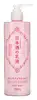
This hydrating emulsion is formulated around Rice Ferment Filtrate and Ceramide EOP to hydrate skin and strengthen the skin barrier.
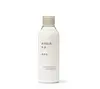
This calming moisturizer is formulated around Portulaca Oleracea Extract and Ceramide NP to calm redness and hydrate skin.

What's inside
What's inside
 Key Ingredients
Benefits
Concerns
Ingredients Side-by-side
Water
Skin ConditioningGlycerin
Humectant


Paraffinum Liquidum
Emollient


Triethylhexanoin
MaskingRice Ferment Filtrate
Skin Conditioning

Glutamic Acid
Humectant
Arginine
Masking
Leucine
Skin ConditioningGlycine
Buffering
Ceramide EOP
Skin Conditioning

Ceramide NP
Skin Conditioning
Ceramide AP
Skin Conditioning
Placental Protein
HumectantArbutin
Antioxidant


Dipotassium Glycyrrhizate
Humectant
Cholesterol
Emollient
Phytosphingosine
Skin Conditioning
Sodium Lauroyl Lactylate
EmulsifyingPEG-9
HumectantDimethicone
Emollient
PEG-20 Sorbitan Isostearate
Emulsifying

Carbomer
Emulsion StabilisingXanthan Gum
EmulsifyingDisodium EDTA
ChelatingPhytic Acid
Chelating
Behenyl Alcohol
Emollient
Potassium Hydroxide
BufferingSilver Oxide
AntimicrobialPhenoxyethanol
Preservative
Parfum
Masking


Acrylates/C10-30 Alkyl Acrylate Crosspolymer
Emulsion StabilisingWater, Glycerin, Paraffinum Liquidum, Triethylhexanoin, Rice Ferment Filtrate, Glutamic Acid, Arginine, Leucine, Glycine, Ceramide EOP, Ceramide NP, Ceramide AP, Placental Protein, Arbutin, Dipotassium Glycyrrhizate, Cholesterol, Phytosphingosine, Sodium Lauroyl Lactylate, PEG-9, Dimethicone, PEG-20 Sorbitan Isostearate, Carbomer, Xanthan Gum, Disodium EDTA, Phytic Acid, Behenyl Alcohol, Potassium Hydroxide, Silver Oxide, Phenoxyethanol, Parfum, Acrylates/C10-30 Alkyl Acrylate Crosspolymer
Water
Skin ConditioningGlycerin
Humectant
Olea Europaea Fruit Oil
Masking
Butylene Glycol
Humectant
Helianthus Annuus Seed Oil
Emollient
Propanediol
Solvent
Cetyl Ethylhexanoate
EmollientEucalyptus Globulus Leaf Extract
Perfuming
Portulaca Oleracea Extract
Skin Conditioning
Citrus Grandis Seed Extract
Astringent
Ceramide NP
Skin Conditioning
Alanine
Masking
Arginine
Masking
Sodium Glutamate
MaskingSerine
Masking
Proline
Skin Conditioning
Sodium Hyaluronate
Humectant
Dipotassium Glycyrrhizate
Humectant
Glycosyl Trehalose
Emulsion StabilisingHydrogenated Starch Hydrolysate
HumectantEthylhexylglycerin
Skin ConditioningSimmondsia Chinensis Seed Oil
Emollient
Behenyl Alcohol
Emollient
Glyceryl Stearate
Emollient
PEG-75 Stearate
Surfactant
Polysorbate 80
Emulsifying
Sodium Polyacrylate Starch
AbsorbentXanthan Gum
EmulsifyingGellan Gum
Tocopherol
Antioxidant
Citric Acid
Buffering
Water, Glycerin, Olea Europaea Fruit Oil, Butylene Glycol, Helianthus Annuus Seed Oil, Propanediol, Cetyl Ethylhexanoate, Eucalyptus Globulus Leaf Extract, Portulaca Oleracea Extract, Citrus Grandis Seed Extract, Ceramide NP, Alanine, Arginine, Sodium Glutamate, Serine, Proline, Sodium Hyaluronate, Dipotassium Glycyrrhizate, Glycosyl Trehalose, Hydrogenated Starch Hydrolysate, Ethylhexylglycerin, Simmondsia Chinensis Seed Oil, Behenyl Alcohol, Glyceryl Stearate, PEG-75 Stearate, Polysorbate 80, Sodium Polyacrylate Starch, Xanthan Gum, Gellan Gum, Tocopherol, Citric Acid
Reviews
Ingredients Explained
These ingredients are found in both products.
Ingredients higher up in an ingredient list are typically present in a larger amount.
Arginine is a semi-essential amino acid. This just means our bodies can product a bit on its own, but sometimes needs a little boost from food sources.
It is a part of your skin's natural moisturizing factor (NMF), or the water-loving molecules in your outermost layer of skin (stratum corneum) that keeps everything hydrated and happy.
Here's an interesting thing about Arginine: your skin converts it into urea through the Krebs-Henseleit urea cycle. Urea is one of the most effective humectants your skin naturally produces.
A clinical study showed applying 2.5% arginine hydrochloride to atopic dermatitis skin showed significant urea levels in the stratum corneum and improved moisture in just four weeks.
Arginine is also a precursor to nitric oxide; nitric oxide improves microcirculation and supports wound healing and collagen synthesis.
One study found that an amino acid complex containing Arginine reduced skin irritation, improved hydration, and accelerated skin repair in clinical / in-vivo studies.
Arginine itself is an amino acid and not a fatty acid, oil, or ester. On its own, it's not a direct food source for Malassezia, or the yeast that causes fungal acne.
Learn more about ArginineBehenyl Alcohol is a type of fatty alcohol (these are different from the drying, solvent alcohols).
Fatty Alcohols have hydrating properties and are most often used as an emollient or to thicken a product. They are usually derived from natural fats and oils; behenyl alcohol is derived from the fats of vegetable oils.
Emollients help keep your skin soft and hydrated by creating a film that traps moisture in.
In 2000, Behenyl Alcohol was approved by the US as medicine to reduce the duration of cold sores.
Learn more about Behenyl AlcoholCeramide NP (formerly known as Ceramide 3) is one of the skin's naturally occurring lipids.
Since ceramides are the major lipid components of the skin, they are crucial for maintaining skin barrier and hydration. Ceramide NP most closely mirrors the dominant kind in human skin amongst ceramide subtypes.
This ceramide works by slotting into gaps within the stratum corneum's lipid matrix to limit trans-epidermal water loss (TEWL) and shield the skin against external irritants.
A study with 312 patients found that using a ceramide-containing routine for 4 weeks reduced the severity of atopic dermatitis by over 61%.
Another clinical study in subjects aged 60 and older found that a ceramide body wash and moisturizer improved skin dryness and itchy skin in 15 days.
Overall, ceramides are considered non-irritating and safety tests have found little to no observable adverse effects from using this ingredient.
Ceramide NP is usually sourced from plants (like soybean or rice bran), or produced synthetically.
Learn more about Ceramide NPDipotassium Glycyrrhizate comes from licorice root.
Extracts of licorice have demonstrated to have antibacterial, anti‐inflammatory, antiviral, antioxidant properties.
One component, glabridin, has extra potent antioxidant and soothing properties. It has also been found to block pigmentation from UVB rays in guinea pigs.
Licorice Root also contains a flavonoid. Flavonoids are a natural substance from in plants. Flavonoids also have antioxidant properties.
Another component, glycyrrhizin, has been found to have anti-inflammatory and antimicrobial benefits. This may make licorice root extract effective at treating acne. However, more research is needed to support this.
Liquiritin is one of the flavone compounds found in licorice. It has been found to help lighten skin by preventing tyrosinase from reacting with tyrosine. When the two react, protein is converted to melanin. Melanin is the substance in your body that gives your features pigmentation.
Licorice root is native to Southern Europe and Asia. It has been used in traditional Chinese medicine to help with respiratory issues.
Learn more about Dipotassium GlycyrrhizateGlycerin (or glycerol) is a compound naturally found in your skin. It's a powerhouse humectant that pulls water into the stratum corneum.
Topically, glycerin does several things at once:
Your skin makes glycerin on its own (mostly from sebaceous oil breakdown) and shuttles it to your outermost layer of skin, or your epidermis, via aquaporin-3.
Aquaporin-3 is a transporter that is essential for normal skin hydration, elasticity, and repair. Interestingly, mice lacking in AQP3 have dry and less elastic skin that can be fully corrected with glycerin.
This ingredient is non-irritating, plays well with almost every ingredient, and works across all skin types. Typical use is anywhere between 3-10% but can go up to 79% in some leave-on products.
Just know very high concentrations (>40%) can feel tacky in low humidity.
Glycerin is the name for this ingredient in American English. British English uses Glycerol/Glycerine.
Learn more about GlycerinWater. It's the most common cosmetic ingredient of all. You'll usually see it at the top of ingredient lists, meaning that it makes up the largest part of the product.
So why is it so popular? Water most often acts as a solvent - this means that it helps dissolve other ingredients into the formulation.
You'll also recognize water as that liquid we all need to stay alive. If you see this, drink a glass of water. Remember to stay hydrated!
Learn more about WaterXanthan gum is used as a stabilizer and thickener within cosmetic products. It helps give products a sticky, thick feeling - preventing them from being too runny.
On the technical side of things, xanthan gum is a polysaccharide - a combination consisting of multiple sugar molecules bonded together.
Xanthan gum is a pretty common and great ingredient. It is a natural, non-toxic, non-irritating ingredient that is also commonly used in food products.
Learn more about Xanthan Gum

