
What's inside
What's inside
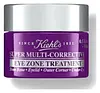 Key Ingredients
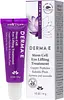
Benefits
Concerns
Ingredients Side-by-side
Water
Skin ConditioningDimethicone
Emollient

Glycerin
Humectant

Hydroxypropyl Tetrahydropyrantriol
Skin ConditioningNiacinamide
Smoothing









Alcohol Denat.
Antimicrobial




Propylene Glycol
Humectant
Silica
Abrasive
Propanediol
Solvent
Polysilicone-11
PEG-10 Dimethicone
Skin Conditioning
Di-C12-13 Alkyl Malate
EmollientVaccinium Myrtillus Seed Oil
Skin Conditioning
Dimethicone/PEG-10/15 Crosspolymer
Hydroxyethylpiperazine Ethane Sulfonic Acid
BufferingBis-PEG/PPG-16/16 PEG/PPG-16/16 Dimethicone
Emollient
Potassium Cetyl Phosphate
EmulsifyingCarbomer
Emulsion StabilisingCeteareth-20
CleansingCaffeine
Skin Conditioning
Sodium Citrate
BufferingSodium Hyaluronate
Humectant
Sodium Hydroxide
BufferingSodium Lactate
Buffering
Palmitoyl Tetrapeptide-7
Skin Conditioning
Palmitoyl Tripeptide-1
Skin Conditioning
Adenosine
Skin Conditioning
Ammonium Polyacryloyldimethyl Taurate
Emulsion StabilisingBoron Nitride
Absorbent
Dipropylene Glycol
HumectantCaprylic/Capric Triglyceride
Masking
Caprylyl Glycol
Emollient
Trisodium Ethylenediamine Disuccinate
Polysorbate 20
Emulsifying
Acrylates/C10-30 Alkyl Acrylate Crosspolymer
Emulsion StabilisingButylene Glycol
Humectant
Tocopherol
Antioxidant

Pentaerythrityl Tetra-Di-T-Butyl Hydroxyhydrocinnamate
Antioxidant
Chlorhexidine Digluconate
Antimicrobial
Chlorphenesin
Antimicrobial
Water, Dimethicone, Glycerin, Hydroxypropyl Tetrahydropyrantriol, Niacinamide, Alcohol Denat., Propylene Glycol, Silica, Propanediol, Polysilicone-11, PEG-10 Dimethicone, Di-C12-13 Alkyl Malate, Vaccinium Myrtillus Seed Oil, Dimethicone/PEG-10/15 Crosspolymer, Hydroxyethylpiperazine Ethane Sulfonic Acid, Bis-PEG/PPG-16/16 PEG/PPG-16/16 Dimethicone, Potassium Cetyl Phosphate, Carbomer, Ceteareth-20, Caffeine, Sodium Citrate, Sodium Hyaluronate, Sodium Hydroxide, Sodium Lactate, Palmitoyl Tetrapeptide-7, Palmitoyl Tripeptide-1, Adenosine, Ammonium Polyacryloyldimethyl Taurate, Boron Nitride, Dipropylene Glycol, Caprylic/Capric Triglyceride, Caprylyl Glycol, Trisodium Ethylenediamine Disuccinate, Polysorbate 20, Acrylates/C10-30 Alkyl Acrylate Crosspolymer, Butylene Glycol, Tocopherol, Pentaerythrityl Tetra-Di-T-Butyl Hydroxyhydrocinnamate, Chlorhexidine Digluconate, Chlorphenesin
Water
Skin ConditioningCaprylic/Capric Triglyceride
Masking
Glycerin
Humectant
Niacinamide
Smoothing
Stearyl Alcohol
Emollient
Coco-Caprylate
Emollient
Glyceryl Stearate
Emollient
Capryloyl Glycerin/Sebacic Acid Copolymer
Skin ConditioningDiheptyl Succinate
EmollientDimethyl Mea
BufferingLycium Barbarum Fruit Extract
Astringent
Hamamelis Virginiana Extract
Antiseborrhoeic
Copernicia Cerifera Wax
Camellia Sinensis Leaf Extract
Antimicrobial
Centella Asiatica Meristem Cell Culture
Antioxidant
Citrus Aurantium Dulcis Fruit Extract
MaskingCitrus Medica Limonum Fruit Extract
Skin ConditioningPyrus Malus Fruit Extract
Skin Conditioning
Saccharum Officinarum Extract
MoisturisingTerminalia Ferdinandiana Fruit Extract
Antioxidant
Hydroxypropyl Cyclodextrin
MaskingPalmitoyl Tripeptide-38
Skin Conditioning
Acetyl Hexapeptide-8
Humectant
Sodium Hyaluronate
Humectant
Thioctic Acid
Antioxidant
Panthenol
Skin Conditioning
Ascorbyl Palmitate
Antioxidant
Simmondsia Chinensis Seed Oil
Emollient
Resveratrol
Antioxidant
Copper PCA
HumectantTetrahexyldecyl Ascorbate
Antioxidant
Caffeine
Skin Conditioning
Butylene Glycol
Humectant
Allantoin
Skin Conditioning
Xanthan Gum
EmulsifyingGlyceryl Stearate Citrate
Emollient
Sodium Hydroxide
BufferingPhenoxyethanol
Preservative
Ethylhexylglycerin
Skin ConditioningWater, Caprylic/Capric Triglyceride, Glycerin, Niacinamide, Stearyl Alcohol, Coco-Caprylate, Glyceryl Stearate, Capryloyl Glycerin/Sebacic Acid Copolymer, Diheptyl Succinate, Dimethyl Mea, Lycium Barbarum Fruit Extract, Hamamelis Virginiana Extract, Copernicia Cerifera Wax, Camellia Sinensis Leaf Extract, Centella Asiatica Meristem Cell Culture, Citrus Aurantium Dulcis Fruit Extract, Citrus Medica Limonum Fruit Extract, Pyrus Malus Fruit Extract, Saccharum Officinarum Extract, Terminalia Ferdinandiana Fruit Extract, Hydroxypropyl Cyclodextrin, Palmitoyl Tripeptide-38, Acetyl Hexapeptide-8, Sodium Hyaluronate, Thioctic Acid, Panthenol, Ascorbyl Palmitate, Simmondsia Chinensis Seed Oil, Resveratrol, Copper PCA, Tetrahexyldecyl Ascorbate, Caffeine, Butylene Glycol, Allantoin, Xanthan Gum, Glyceryl Stearate Citrate, Sodium Hydroxide, Phenoxyethanol, Ethylhexylglycerin
Reviews
Ingredients Explained
These ingredients are found in both products.
Ingredients higher up in an ingredient list are typically present in a larger amount.
Butylene Glycol (or BG) is used within cosmetic products for a few different reasons:
Overall, Butylene Glycol is a safe and well-rounded ingredient that works well with other ingredients.
Though this ingredient works well with most skin types, some people with sensitive skin may experience a reaction such as allergic rashes, closed comedones, or itchiness.
Learn more about Butylene GlycolCaffeine is a naturally occurring plant compound found in coffee beans, tea leaves, cocoa pods, and guarana.
As an antioxidant, caffeine protects your skin from free radical damage caused by UV exposure and envionrmnetal stressors.
Early research also shows that caffeine can help calm redness, soothe irritated skin, and support hair growth by stimulating microcirculation in the scalp.
You might have seen eye creams marketing caffeine as a depuffing ingredient. This is because it is a vasoconstrictor meaning it can temporarily constrict blood vessels, though clinical evidence for this specific use is still limited.
Most skincare products contain this ingredient at concentrations between 1-6%. It is able to penetrate skin easily regardless of skin type or thickness.
Just so you know, a very small number of case reports describe caffeine-induced allergy. This ingredient is generally well-tolerated, non-irritating, and non-sensitizing for the majority of people.
Learn more about CaffeineThis ingredient is a lightweight emollient, solvent, and texture enhancer. It is considered a skin-softener by helping the skin prevent moisture loss.
It helps thicken a product's formula and makes it easier to spread by dissolving clumping compounds.
Caprylic Triglyceride is made by combining glycerin with coconut oil, forming a clear liquid. Though it behaves like an oil, it is not technically one due to its chemical composition. It is very stable, resistant to oxidation, and unlikely to go rancid. In practice, that translates to a long shelf life and a consistently elegant skin feel.
While there is an assumption Caprylic Triglyceride can clog pores due to it being derived from coconut oil, there is no research supporting this. Be sure to patch test if you have concerns.
Fractionated coconut oil and MCT Oil are both listed as Caprylic/Capric Triglyceride according to INCI. This is because INCI names are based on the ingredient’s final chemical composition and not its marketing name or source.
Learn more about Caprylic/Capric TriglycerideGlycerin (or glycerol) is a compound naturally found in your skin. It's a powerhouse humectant that pulls water into the stratum corneum.
Topically, glycerin does several things at once:
Your skin makes glycerin on its own (mostly from sebaceous oil breakdown) and shuttles it to your outermost layer of skin, or your epidermis, via aquaporin-3.
Aquaporin-3 is a transporter that is essential for normal skin hydration, elasticity, and repair. Interestingly, mice lacking in AQP3 have dry and less elastic skin that can be fully corrected with glycerin.
This ingredient is non-irritating, plays well with almost every ingredient, and works across all skin types. Typical use is anywhere between 3-10% but can go up to 79% in some leave-on products.
Just know very high concentrations (>40%) can feel tacky in low humidity.
Glycerin is the name for this ingredient in American English. British English uses Glycerol/Glycerine.
Learn more about GlycerinNiacinamide is a multitasking form of vitamin B3 that strengthens the skin barrier, reduces pores and dark spots, regulates oil, and improves signs of aging.
And the best part? It's gentle and well-tolerated by most skin types, including sensitive and reactive skin.
You might have heard of "niacin flush", or the reddening of skin that causes itchiness. Niacinamide has not been found to cause this.
In very rare cases, some individuals may not be able to tolerate niacinamide at all or experience an allergic reaction to it.
If you are experiencing flaking, irritation, and dryness with this ingredient, be sure to double check all your products as this ingredient can be found in all categories of skincare.
When incorporating niacinamide into your routine, look out for concentration amounts. Typically, 5% niacinamide provides benefits such as fading dark spots. However, if you have sensitive skin, it is better to begin with a smaller concentration.
When you apply niacinamide to your skin, your body converts it into nicotinamide adenine dinucleotide (NAD). NAD is an essential coenzyme that is already found in your cells as "fuel" and powers countless biological processes.
In your skin, NAD helps repair cell damage, produce new healthy cells, support collagen production, strengthen the skin barrier, and fight environmental stressors (like UV and pollution).
Our natural NAD levels start to decline with age, leading to slower skin repair, visible aging, and a weaker skin barrier. By providing your skin niacinamide, you're recharging your skin's NAD levels. This leads to stronger, healthier, and younger looking skin.
Another name for vitamin B3 is nicotinamide. This vitamin is water-soluble and our bodies don't store it. We obtain Vitamin B3 from either food or skincare. Meat, fish, wheat, yeast, and leafy greens contain vitamin B3.
The type of niacinamide used in skincare is synthetically created.
Learn more about NiacinamideSodium Hyaluronate is the salt form of hyaluronic acid. It is a long sugar chain that is naturally found in your skin, joints, and connective tissue that maintains hydration and elasticity.
In skincare, it works as a humectant. It pulls water from the environment and deeper layers of skin and binds it to the surface.
Interestingly, the size of the molecule affects its behavior:
Some clinical evidence links low molecular weight versions to improved wrinkle depth, elasticity, anti-inflammatory effects, and barrier repair.
Many serums use a blend of both weights so you can get surface hydration plus longer-lasting and deeper effects.
You'll typically see concentrations between 0.1-2% for this ingredient.
Learn more about Sodium HyaluronateSodium Hydroxide is also known as lye or caustic soda. It is used to adjust the pH of products; many ingredients require a specific pH to be effective.
In small amounts, sodium hydroxide is considered safe to use. However, large amounts may cause chemical burns due to its high alkaline.
Your skin has a natural pH and acid mantle. This acid mantle helps prevent harmful bacteria from breaking through. The acid mantle also helps keep your skin hydrated.
"Alkaline" refers to a high pH level. A low pH level would be considered acidic.
Learn more about Sodium HydroxideWater. It's the most common cosmetic ingredient of all. You'll usually see it at the top of ingredient lists, meaning that it makes up the largest part of the product.
So why is it so popular? Water most often acts as a solvent - this means that it helps dissolve other ingredients into the formulation.
You'll also recognize water as that liquid we all need to stay alive. If you see this, drink a glass of water. Remember to stay hydrated!
Learn more about Water
