Kiehl's Clearly Corrective Dark Spot Solution Versus Estée Lauder Advanced Night Repair Intense Reset Concentrate
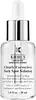
This brightening treatment is formulated around 3-O-Ethyl Ascorbic Acid and Salicylic Acid to fade the look of dark spots and brighten dull-looking skin.
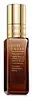
This calming serum is formulated around Lactobacillus Ferment and Resveratrol to calm redness and strengthen the skin barrier.

What's inside
What's inside
 Key Ingredients
Benefits
Concerns
Ingredients Side-by-side
Water
Skin ConditioningPropylene Glycol
Humectant


Glycerin
Humectant

Alcohol Denat.
Antimicrobial


PEG/PPG/Polybutylene Glycol-8/5/3 Glycerin
HumectantHydroxypropyl Tetrahydropyrantriol
Skin Conditioning3-O-Ethyl Ascorbic Acid
Skin Conditioning




PPG-6-Decyltetradeceth-30
EmulsifyingPhenoxyethanol
Preservative
Salicylic Acid
Masking


Xanthan Gum
EmulsifyingHydroxyethylcellulose
Emulsion StabilisingPotassium Hydroxide
BufferingCitric Acid
Buffering
Sodium Citrate
BufferingTocopheryl Acetate
Antioxidant

Lavandula Angustifolia Oil
Masking



Disodium EDTA
ChelatingAdenosine
Skin Conditioning

Linalool
Perfuming
Butylene Glycol
Humectant
Tocopherol
Antioxidant
Citrus Aurantium Tachibana Peel Extract
HumectantPaeonia Suffruticosa Root Extract
Skin ProtectingWater, Propylene Glycol, Glycerin, Alcohol Denat., PEG/PPG/Polybutylene Glycol-8/5/3 Glycerin, Hydroxypropyl Tetrahydropyrantriol, 3-O-Ethyl Ascorbic Acid, PPG-6-Decyltetradeceth-30, Phenoxyethanol, Salicylic Acid, Xanthan Gum, Hydroxyethylcellulose, Potassium Hydroxide, Citric Acid, Sodium Citrate, Tocopheryl Acetate, Lavandula Angustifolia Oil, Disodium EDTA, Adenosine, Linalool, Butylene Glycol, Tocopherol, Citrus Aurantium Tachibana Peel Extract, Paeonia Suffruticosa Root Extract
Water
Skin ConditioningDimethicone
Emollient
Glycerin
Humectant
Methyl Trimethicone
Skin Conditioning
Bis-PEG-18 Methyl Ether Dimethyl Silane
EmollientButylene Glycol
Humectant
Isopropyl Isostearate
Emollient


PPG-15 Stearyl Ether
EmollientPEG-10 Dimethicone
Skin Conditioning
Faex Extract
Skin ConditioningTripeptide-32
Skin Conditioning
Sodium Hyaluronate Crosspolymer
Humectant
Sodium Hyaluronate
Humectant
Hydrolyzed Sodium Hyaluronate
Skin Conditioning
Hydrolyzed Algin
Lactobacillus Ferment
Skin Conditioning
Adansonia Digitata Seed Extract
Skin ConditioningSoy Amino Acids
Skin ConditioningAminopropyl Ascorbyl Phosphate
Antioxidant
Resveratrol
Antioxidant
Algae Extract
Emollient
Salicylic Acid
Masking
Ergothioneine
Antioxidant
Tocopheryl Acetate
Antioxidant
Whey Protein
Skin ConditioningAvena Sativa Kernel Extract
Abrasive
Citrullus Lanatus Fruit Extract
Skin Conditioning
Laminaria Digitata Extract
Skin Protecting
Lens Esculenta Fruit Extract
Skin ConditioningPyrus Malus Fruit Extract
Skin Conditioning
Caffeine
Skin Conditioning
Sodium PCA
Humectant
Propylene Glycol Caprylate
Skin ConditioningTriticum Vulgare Germ Extract
Skin ConditioningLavandula Angustifolia Oil
Masking
Hordeum Vulgare Extract
EmollientAnthemis Nobilis Flower Extract
Masking
Isohexadecane
EmollientPolysilicone-11
Methyldihydrojasmonate
MaskingSodium Lactate
Buffering
Disteardimonium Hectorite
StabilisingIsododecane
EmollientPolyacrylate Crosspolymer-6
Emulsion StabilisingSqualane
Emollient
Polyethylene
Abrasive
Propylene Carbonate
SolventPentylene Glycol
Skin Conditioning
Disodium EDTA
ChelatingBHT
Antioxidant
Potassium Sorbate
Preservative
Sodium Benzoate
Masking
Phenoxyethanol
Preservative
Linalool
Perfuming
CI 14700
Cosmetic ColorantCI 19140
Cosmetic ColorantWater, Dimethicone, Glycerin, Methyl Trimethicone, Bis-PEG-18 Methyl Ether Dimethyl Silane, Butylene Glycol, Isopropyl Isostearate, PPG-15 Stearyl Ether, PEG-10 Dimethicone, Faex Extract, Tripeptide-32, Sodium Hyaluronate Crosspolymer, Sodium Hyaluronate, Hydrolyzed Sodium Hyaluronate, Hydrolyzed Algin, Lactobacillus Ferment, Adansonia Digitata Seed Extract, Soy Amino Acids, Aminopropyl Ascorbyl Phosphate, Resveratrol, Algae Extract, Salicylic Acid, Ergothioneine, Tocopheryl Acetate, Whey Protein, Avena Sativa Kernel Extract, Citrullus Lanatus Fruit Extract, Laminaria Digitata Extract, Lens Esculenta Fruit Extract, Pyrus Malus Fruit Extract, Caffeine, Sodium PCA, Propylene Glycol Caprylate, Triticum Vulgare Germ Extract, Lavandula Angustifolia Oil, Hordeum Vulgare Extract, Anthemis Nobilis Flower Extract, Isohexadecane, Polysilicone-11, Methyldihydrojasmonate, Sodium Lactate, Disteardimonium Hectorite, Isododecane, Polyacrylate Crosspolymer-6, Squalane, Polyethylene, Propylene Carbonate, Pentylene Glycol, Disodium EDTA, BHT, Potassium Sorbate, Sodium Benzoate, Phenoxyethanol, Linalool, CI 14700, CI 19140
Reviews
Ingredients Explained
These ingredients are found in both products.
Ingredients higher up in an ingredient list are typically present in a larger amount.
Butylene Glycol (or BG) is used within cosmetic products for a few different reasons:
Overall, Butylene Glycol is a safe and well-rounded ingredient that works well with other ingredients.
Though this ingredient works well with most skin types, some people with sensitive skin may experience a reaction such as allergic rashes, closed comedones, or itchiness.
Learn more about Butylene GlycolDisodium EDTA is a chelating agent. It grabs onto and deactivates metal ions that sneak into your products from water, packaging, or air.
This ingredient mainly works behind the scenes and helps with:
On top of that, this ingredient can counteract the effects of hard water by binding to the minerals in it.
One thing worth knowing is that Disodium EDTA has been shown to be a mild penetration enhancer. It can help other ingredients absorb into skin more effectively which can be a double-edged sword (great for actives, but can also make the active too strong if you have sensitive skin).
Clinical patch testing showed no significant skin irritation at typical use concentrations and minimal dermal absorption.
You'll most likely see this ingredient near the end of an ingredient list. It's typically found in concentrations less than 1%.
Learn more about Disodium EDTAGlycerin (or glycerol) is a compound naturally found in your skin. It's a powerhouse humectant that pulls water into the stratum corneum.
Topically, glycerin does several things at once:
Your skin makes glycerin on its own (mostly from sebaceous oil breakdown) and shuttles it to your outermost layer of skin, or your epidermis, via aquaporin-3.
Aquaporin-3 is a transporter that is essential for normal skin hydration, elasticity, and repair. Interestingly, mice lacking in AQP3 have dry and less elastic skin that can be fully corrected with glycerin.
This ingredient is non-irritating, plays well with almost every ingredient, and works across all skin types. Typical use is anywhere between 3-10% but can go up to 79% in some leave-on products.
Just know very high concentrations (>40%) can feel tacky in low humidity.
Glycerin is the name for this ingredient in American English. British English uses Glycerol/Glycerine.
Learn more about GlycerinLavandula Angustifolia Oil is more commonly known as lavender essential oil. It is considered a fragrancing ingredient.
Lavender imparts a famous scent. While the smell is lovely, this ingredient and may sensitize skin in topical products. This is because about 85% of the oil is made up of linalool and linalyl acetate.
When exposed to air, these two compounds become strong allergens. This ingredient exhibits cytotoxicity at low concentrations; amounts of 0.25% have been shown to damage skin cells.
A study from Japan found this ingredient caused lavender sensitivity after widespread exposure.
Lavender essential oil has some antimicrobial, antibacterial, and anti-inflammatory properties. However, the cons of this ingredient may outweight the pros.
More research is needed to confirm lavender essential oil's effects when used in aromatherapy.
Lavandula Angustifolia is known as the English Lavender and famous for creating purple fields in Provence, France.
Learn more about Lavandula Angustifolia OilLinalool is a small, naturally occurring scent molecule found in plants like lavender, coriander, bergamot, and more.
It is one of the two most-used fragrance ingredients in cosmetics and added purely for smell. Since it's not used for a skin benefit, there's no "effective dose". Concentration depends on the fragrance load of the product.
The EU requires it to be named on the label above 0.001% in leave-on and 0.01% in rinse-off products.
Fresh linalool is a weak sensitizer but air exposure turns some of it into hydroperoxides, which are strong sensitizers. Those oxidation products are the actual allergy concern.
Patch-test clinics see positive reactions to linalool hydroperoxides in about 4% to 12% of dermatitis patients depending on country and test concentration.
Resassuringly, one analytical study found hydroperoxide levels in real fragranced products to be orders of magnitude below what induced sensitization in animal studies with no evidence of oxidation building up during normal storage.
The practical takeaway is that linalool is fine for most people but worth avoiding if you have a confirmed fragrance contact allergy or a badly compromised barrier.
Products stored a long time after opening are also the high-risk scenario since that is when oxidation happens.
The scent of linalool is described as floral, spicy tropical, and citrus-like.
Learn more about LinaloolPhenoxyethanol is one of the most widely used preservatives in skincare (and for good reason!).
It has a large spectrum of antimicrobial activity and especially effective bacteria, yeast, and mold while only having a weak effect on your skin's natural microbiome.
On a cellular level, it disrupts the cell membranes of microbes by poking holes that make the cell leak. This shuts down the chemical reactions the microbe needs to make energy so it can no longer survive.
Another perk of this ingredient is that it stays functional across a wide pH range (3-10).
You'll often see it paired with boosters like Ethylhexylglycerin; one study showed that a 1:9 ratio of Ethylhexylglycerin to Phenoxyethanol damages bacterial membranes as effectively as doubling the Phenoxyethanol concentration on its own.
Typical use concentrations range from 0.3-1% depending on the formula, and this ingredient is capped at 1% int the EU.
Safety-wise, the fear mongering does not hold up to the evidence. The EU's Scientific Committee on Consumer Safety and FDA consider it safe as a preservative at up to 1%, including for children of all ages.
Adverse systemic effects only showed up in animal studies at exposures roughly 200x higher than what people get from cosmetics. And despite its very widespread use, this ingredient is a rare sensitizer and allergic reactions are uncommon.
Learn more about PhenoxyethanolSalicylic Acid (also known as beta hydroxy acid or BHA) is a well-known ingredient for treating skin that struggles with acne and clogged pores. It exfoliates both the skin's surface and deep within the pores to help clear out buildup, control oil, and reduce inflammation.
Unlike AHAs (alpha hydroxy acids), salicylic acid is oil-soluble. This allows it to penetrate into pores which makes it especially effective for treating blackheads and preventing future breakouts.
Salicylic acid is also known for its soothing properties. It has a similar structure to aspirin and can calm inflamed or irritated skin, making it a good option for acne-prone skin that is also sensitive.
Concentrations of 0.5-2% are recognized by the U.S. FDA as an over-the-counter topical acne product.
It can cause irritation and/or dryness if one's skin already has a compromised moisture barrier, so it's best to focus on repairing that before introducing this ingredient into your routine.
While salicylic acid does not increase sun sensitivity, it’s still important to wear sunscreen daily to protect your skin.
If you are looking for the ingredient called BHA or Butylated Hydroxyanisole, click here.
Learn more about Salicylic AcidTocopheryl Acetate is a stable, shelf-friendly form of vitamin E.
Formulators love it because plain vitamin E oxidizes quickly once it hits air. This acetate version stays stable and resists going off, helping to extend a product's shelf life.
It's actually inactive on its own and works like a slow-release "storage" form; the enzymes in your skin called esterases gradually convert it into active vitamin E over time.
One in vivo study showed 5% of the acetate in the living layer of the epidermis converted to vitamin E after 5 days of application. This study also found the skin gained protection against UV damage even though the conversion was slow and small.
Once converted, vitamin E acts as a skin's main fat-soluble antioxidant that fights free radicals to protect skin from damage.
Topical vitamin E generally boosts the skin's photoprotection, and it reduced UV-damage in animal models.
This ingredient has some brightening potential but it's more of a prevention ingredient than spot-fader. Cell studies show it can slow down melanin production but it's worth noting that it's not the most powerful brightener out there.
Overall, it has a pretty solid safety profile and has been found to be non-irritating and non-comedogenic. Allergic reactions may happen but stay rare due to how widely the ingredient gets used.
The concentration will vary depending on the formula; industry data shows 0.1% in baby lotions, 3% in lipsticks, and 5% in foot powders. You can also find this ingredient at 100% in a pure vitamin E oil.
Most leave-on skincare keeps it at the lower end, often between 0.5-1%.
Learn more about Tocopheryl AcetateWater. It's the most common cosmetic ingredient of all. You'll usually see it at the top of ingredient lists, meaning that it makes up the largest part of the product.
So why is it so popular? Water most often acts as a solvent - this means that it helps dissolve other ingredients into the formulation.
You'll also recognize water as that liquid we all need to stay alive. If you see this, drink a glass of water. Remember to stay hydrated!
Learn more about Water

