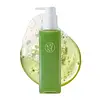
This salicylic acid gel cleanser is formulated around Salicylic Acid to clear breakouts and unclog pores.
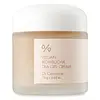
This barrier-repair moisturizer is formulated around Niacinamide and Camellia Sinensis Leaf Extract to strengthen the skin barrier and hydrate skin.

What's inside
What's inside
 Key Ingredients
Benefits
Concerns
Ingredients Side-by-side
Water
Skin ConditioningSodium C14-16 Olefin Sulfonate
Cleansing

Glycerin
Humectant


Acrylates Copolymer
Butylene Glycol
Humectant
Propanediol
Solvent
Coco-Betaine
Cleansing
Rosmarinus Officinalis Leaf Extract
AntimicrobialTromethamine
BufferingTetradecene
EmollientPotassium Benzoate
Preservative
Salicylic Acid
Masking







Citric Acid
Buffering
Hexadecene
SolventLauryl Hydroxysultaine
CleansingCoco-Glucoside
Cleansing
Pogostemon Cablin Leaf Oil
Masking

Decyl Glucoside
Cleansing
Sorbitol
Humectant
Polyquaternium-10
Rosmarinus Officinalis Leaf Oil
Masking
Panthenol
Skin Conditioning

Sodium Chloride
MaskingDisodium EDTA
ChelatingMelia Azadirachta Leaf Extract
Skin ConditioningArtemisia Vulgaris Oil
Perfuming

1,2-Hexanediol
Skin Conditioning
Melia Azadirachta Flower Extract
Skin ConditioningBrassica Oleracea Capitata Leaf Extract
Skin ConditioningBrassica Oleracea Acephala Leaf Extract
HumectantArtemisia Princeps Leaf Water
MaskingHibiscus Esculentus Fruit Extract
Skin ConditioningHyaluronic Acid
Humectant

Hydrolyzed Hyaluronic Acid
Humectant
Sodium Hyaluronate
Humectant
Apium Graveolens Extract
Skin ConditioningAsparagus Officinalis Extract
Skin ConditioningSpinacia Oleracea Leaf Extract
Skin ConditioningBrassica Oleracea Italica Extract
AstringentCucumis Sativus Extract
Skin Conditioning
Lactuca Scariola Sativa Leaf Extract
Skin ConditioningAllantoin
Skin Conditioning
Water, Sodium C14-16 Olefin Sulfonate, Glycerin, Acrylates Copolymer, Butylene Glycol, Propanediol, Coco-Betaine, Rosmarinus Officinalis Leaf Extract, Tromethamine, Tetradecene, Potassium Benzoate, Salicylic Acid, Citric Acid, Hexadecene, Lauryl Hydroxysultaine, Coco-Glucoside, Pogostemon Cablin Leaf Oil, Decyl Glucoside, Sorbitol, Polyquaternium-10, Rosmarinus Officinalis Leaf Oil, Panthenol, Sodium Chloride, Disodium EDTA, Melia Azadirachta Leaf Extract, Artemisia Vulgaris Oil, 1,2-Hexanediol, Melia Azadirachta Flower Extract, Brassica Oleracea Capitata Leaf Extract, Brassica Oleracea Acephala Leaf Extract, Artemisia Princeps Leaf Water, Hibiscus Esculentus Fruit Extract, Hyaluronic Acid, Hydrolyzed Hyaluronic Acid, Sodium Hyaluronate, Apium Graveolens Extract, Asparagus Officinalis Extract, Spinacia Oleracea Leaf Extract, Brassica Oleracea Italica Extract, Cucumis Sativus Extract, Lactuca Scariola Sativa Leaf Extract, Allantoin
Water
Skin ConditioningGlycerin
Humectant
Methylpropanediol
Solvent1,2-Hexanediol
Skin Conditioning
Dicaprylyl Ether
Emollient
Glycereth-26
Humectant
Niacinamide
Smoothing

Butylene Glycol
Humectant
Dipropylene Glycol
HumectantCamellia Sinensis Leaf Extract
Antimicrobial
Saccharomyces Ferment Filtrate
Humectant
Eclipta Prostrata Leaf Extract
Skin ConditioningLaminaria Japonica Extract
Skin Protecting
Hydroxyacetophenone
Antioxidant
Camellia Sinensis Leaf Water
Masking
Polyquaternium-51
Skin Conditioning
Helianthus Annuus Seed Oil Unsaponifiables
Emollient
Ethylhexylglycerin
Skin ConditioningFructooligosaccharides
Humectant
Beta-Glucan
Skin Conditioning
Hydrogenated Lecithin
Emulsifying
Carbomer
Emulsion StabilisingTheobroma Cacao Seed Extract
Antioxidant
Dextrin
AbsorbentPhellinus Linteus Extract
Skin ConditioningArctium Lappa Root Extract
Skin Conditioning
Ammonium Acryloyldimethyltaurate/Vp Copolymer
Xanthan Gum
EmulsifyingTromethamine
BufferingHydrolyzed Hyaluronic Acid
Humectant
Schisandra Chinensis Fruit Extract
Skin Conditioning
Rosmarinus Officinalis Leaf Oil
Masking
Tocopherol
Antioxidant
Water, Glycerin, Methylpropanediol, 1,2-Hexanediol, Dicaprylyl Ether, Glycereth-26, Niacinamide, Butylene Glycol, Dipropylene Glycol, Camellia Sinensis Leaf Extract, Saccharomyces Ferment Filtrate, Eclipta Prostrata Leaf Extract, Laminaria Japonica Extract, Hydroxyacetophenone, Camellia Sinensis Leaf Water, Polyquaternium-51, Helianthus Annuus Seed Oil Unsaponifiables, Ethylhexylglycerin, Fructooligosaccharides, Beta-Glucan, Hydrogenated Lecithin, Carbomer, Theobroma Cacao Seed Extract, Dextrin, Phellinus Linteus Extract, Arctium Lappa Root Extract, Ammonium Acryloyldimethyltaurate/Vp Copolymer, Xanthan Gum, Tromethamine, Hydrolyzed Hyaluronic Acid, Schisandra Chinensis Fruit Extract, Rosmarinus Officinalis Leaf Oil, Tocopherol
Reviews
Ingredients Explained
These ingredients are found in both products.
Ingredients higher up in an ingredient list are typically present in a larger amount.
1,2-Hexanediol is a synthetic liquid and another multi-functional powerhouse.
It is a:
- Humectant, drawing moisture into the skin
- Emollient, helping to soften skin
- Solvent, dispersing and stabilizing formulas
- Preservative booster, enhancing the antimicrobial activity of other preservatives
Butylene Glycol (or BG) is used within cosmetic products for a few different reasons:
Overall, Butylene Glycol is a safe and well-rounded ingredient that works well with other ingredients.
Though this ingredient works well with most skin types, some people with sensitive skin may experience a reaction such as allergic rashes, closed comedones, or itchiness.
Learn more about Butylene GlycolGlycerin (or glycerol) is a compound naturally found in your skin. It's a powerhouse humectant that pulls water into the stratum corneum.
Topically, glycerin does several things at once:
Your skin makes glycerin on its own (mostly from sebaceous oil breakdown) and shuttles it to your outermost layer of skin, or your epidermis, via aquaporin-3.
Aquaporin-3 is a transporter that is essential for normal skin hydration, elasticity, and repair. Interestingly, mice lacking in AQP3 have dry and less elastic skin that can be fully corrected with glycerin.
This ingredient is non-irritating, plays well with almost every ingredient, and works across all skin types. Typical use is anywhere between 3-10% but can go up to 79% in some leave-on products.
Just know very high concentrations (>40%) can feel tacky in low humidity.
Glycerin is the name for this ingredient in American English. British English uses Glycerol/Glycerine.
Learn more about GlycerinHydrolyzed Hyaluronic Acid is hyaluronic acid (HA) that is broken down into lower molecular weight fragments.
It's a humectant that pulls and holds water in the skin to help with hydration, plumpness, and reduce transepidermal water loss.
Because hydrolyzed hyaluronic acid is smaller in size, it can slip past your outermost layer of skin more easily than full-sized HA.
Most formulations will combine all sizes to get the best of both worlds.
Typical usage levels range from 0.01-1%. Any percentage higher than 2% might become goopy and tacky.
Learn more about Hydrolyzed Hyaluronic AcidRosmarinus Officinalis Leaf Oil is an essential oil also known as rosemary essential oil. In skincare, it is a skin conditioning agent and also acts as a natural fragrance that gives products a fresh/herby smell.
The oil is a mix of over 100 volatile compounds with 1,8-cineole, α-pinene, camphor, and verbenone usually leading the pack.
Lab studies credit this oil with antioxidant, anti-inflammatory, and antimicrobial activity. Some research even show rosemary compounds calming acne-related inflammation.
The Cosmetic Ingredient Review (CIR) has concluded rosemary-derived ingredients to be safe when formulated to be nonsensitizing.
Since this is a fragrant essential oil, the main concern is for fragrance-sensitive folks.
Learn more about Rosmarinus Officinalis Leaf OilTromethamine (aka THAM) is a synthetic amino acid that shows up in skincare as a helper ingredient.
It functions as a pH adjuster to help neutralize acidic ingredients and set a formula's pH to the right spot.
This matters a lot because a lot of actives (like vitamin C) needs a specific pH to work well and feel comfortable on skin.
Concentration use ranges from 0.1-1.0% depending on the formula.
Learn more about TromethamineWater. It's the most common cosmetic ingredient of all. You'll usually see it at the top of ingredient lists, meaning that it makes up the largest part of the product.
So why is it so popular? Water most often acts as a solvent - this means that it helps dissolve other ingredients into the formulation.
You'll also recognize water as that liquid we all need to stay alive. If you see this, drink a glass of water. Remember to stay hydrated!
Learn more about Water

