
What's inside
What's inside
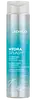 Benefits
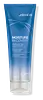
Concerns
Ingredients Side-by-side
Water
Skin ConditioningSodium Laureth Sulfate
Cleansing

Cocamide Mipa
Emulsifying
Disodium Cocoamphodiacetate
CleansingGlycol Stearate
Emollient
Sodium Chloride
MaskingButyrospermum Parkii Butter
Skin Conditioning



Hydrolyzed Keratin
Humectant
Laurdimonium Hydroxypropyl Hydrolyzed Keratin
Skin ConditioningArginine Hcl
Skin ConditioningPhosphatidylcholine
EmulsifyingRosa Canina Fruit Oil
Emollient

Cocos Nucifera Liquid Endosperm
Hydrolyzed Algin
Maris Aqua
HumectantChlorella Vulgaris Extract
Skin ConditioningSodium Cetearyl Sulfate
Cleansing
Cocamidopropyl Betaine
Cleansing

Guar Hydroxypropyltrimonium Chloride
Skin ConditioningCetyl Alcohol
Emollient
Dimethicone
Emollient
Sodium Citrate
BufferingCitric Acid
Buffering

Polyquaternium-7
Sodium Gluconate
Skin ConditioningSodium Benzoate
Masking
Phenoxyethanol
Preservative
Sodium Hydroxide
BufferingLinalool
Perfuming


Limonene
Perfuming
Parfum
Masking
CI 42090
Cosmetic ColorantCI 60730
Cosmetic ColorantCI 19140
Cosmetic ColorantWater, Sodium Laureth Sulfate, Cocamide Mipa, Disodium Cocoamphodiacetate, Glycol Stearate, Sodium Chloride, Butyrospermum Parkii Butter, Hydrolyzed Keratin, Laurdimonium Hydroxypropyl Hydrolyzed Keratin, Arginine Hcl, Phosphatidylcholine, Rosa Canina Fruit Oil, Cocos Nucifera Liquid Endosperm, Hydrolyzed Algin, Maris Aqua, Chlorella Vulgaris Extract, Sodium Cetearyl Sulfate, Cocamidopropyl Betaine, Guar Hydroxypropyltrimonium Chloride, Cetyl Alcohol, Dimethicone, Sodium Citrate, Citric Acid, Polyquaternium-7, Sodium Gluconate, Sodium Benzoate, Phenoxyethanol, Sodium Hydroxide, Linalool, Limonene, Parfum, CI 42090, CI 60730, CI 19140
Water
Skin ConditioningCetearyl Alcohol
Emollient
Dimethicone
Emollient
Sorbitol
Humectant
Propylene Glycol
Humectant
Behentrimonium Chloride
Preservative
Stearyl Alcohol
Emollient
Phenoxyethanol
Preservative
Cocos Nucifera Oil
Masking
Rosa Canina Fruit Oil
Emollient
Laurdimonium Hydroxypropyl Hydrolyzed Keratin
Skin ConditioningSimmondsia Chinensis Seed Oil
Emollient
Chlorella Vulgaris Extract
Skin ConditioningMaris Aqua
HumectantHydrolyzed Algin
Arginine Hcl
Skin ConditioningPhosphatidylcholine
EmulsifyingIsopropyl Palmitate
Emollient
Cetyl Esters
Emollient
Hydroxyethylcellulose
Emulsion StabilisingCetrimonium Chloride
Antimicrobial
Guar Hydroxypropyltrimonium Chloride
Skin ConditioningPolyquaternium-37
Aminopropyl Dimethicone
Tetrasodium Glutamate Diacetate
Propylene Glycol Dicaprylate/Dicaprate
EmollientPEG-4 Laurate
Emulsifying
Citric Acid
Buffering
PEG-90m
Emulsion StabilisingPPG-1 Trideceth-6
Skin ConditioningIodopropynyl Butylcarbamate
Preservative
Sodium Hydroxide
BufferingIsopropyl Alcohol
Solvent
Limonene
Perfuming
Benzyl Benzoate
Antimicrobial
Parfum
Masking
Extracts
CI 60730
Cosmetic ColorantCI 42090
Cosmetic ColorantCI 19140
Cosmetic ColorantWater, Cetearyl Alcohol, Dimethicone, Sorbitol, Propylene Glycol, Behentrimonium Chloride, Stearyl Alcohol, Phenoxyethanol, Cocos Nucifera Oil, Rosa Canina Fruit Oil, Laurdimonium Hydroxypropyl Hydrolyzed Keratin, Simmondsia Chinensis Seed Oil, Chlorella Vulgaris Extract, Maris Aqua, Hydrolyzed Algin, Arginine Hcl, Phosphatidylcholine, Isopropyl Palmitate, Cetyl Esters, Hydroxyethylcellulose, Cetrimonium Chloride, Guar Hydroxypropyltrimonium Chloride, Polyquaternium-37, Aminopropyl Dimethicone, Tetrasodium Glutamate Diacetate, Propylene Glycol Dicaprylate/Dicaprate, PEG-4 Laurate, Citric Acid, PEG-90m, PPG-1 Trideceth-6, Iodopropynyl Butylcarbamate, Sodium Hydroxide, Isopropyl Alcohol, Limonene, Benzyl Benzoate, Parfum, Extracts, CI 60730, CI 42090, CI 19140
Reviews
Ingredients Explained
These ingredients are found in both products.
Ingredients higher up in an ingredient list are typically present in a larger amount.
We don't have a description for Arginine Hcl yet.
Chlorella Vulgaris Extract comes from a green microalga. It is hydrating and contains antioxidants.
Studies also show Chlorella Vulgaris may help in rebuilding collagen and elastin. This ingredient is made up of lipids, carbohydrates, and chlorophyll.
Fun fact: This ingredient is commonly used as food additive in Japan.
Learn more about Chlorella Vulgaris ExtractCI 19140 is also known as Tartrazine. Tartrazine is a synthetic dye used in cosmetics, foods, and medicine to add a yellow color.
Tartrazine is created from petroleum and is water-soluble.
Some people may experience allergies from this dye, especially asthmatics and those with an aspirin intolerance.
Learn more about CI 19140Ci 42090 is a synthetic dye created from petroleum. It is used to give a bright blue color to cosmetics, medicine, and food.
This ingredient is a purple dye. It is also known as Violet No. 2 or Acid Violet 43 and is a synthetic dye derived from coal tar.
According to a manufacturer, this dye it known for its intense color saturation and resistance to fading.
Citric Acid is an alpha hydroxy acid (AHA) naturally found in citrus fruits like oranges, lemons, and limes.
Like other AHAs, citric acid can exfoliate skin by breaking down the bonds that hold dead skin cells together. This helps reveal smoother and brighter skin underneath.
However, this exfoliating effect only happens at high concentrations (20%) which can be hard to find in cosmetic products.
Due to this, citric acid is usually included in small amounts as a pH adjuster. This helps keep products slightly more acidic and compatible with skin's natural pH.
In skincare formulas, citric acid can:
While it can provide some skin benefits, research shows lactic acid and glycolic acid are generally more effective and less irritating exfoliants.
Most citric acid used in skincare today is made by fermenting sugars (usually from molasses). This synthetic version is identical to the natural citrus form but easier to stabilize and use in formulations.
Read more about some other popular AHA's here:
Learn more about Citric AcidDimethicone is a type of synthetic silicone created from natural materials such as quartz. It is also known as polydimethylsiloxane.
What it does:
Dimethicone comes in different viscosities:
Depending on the viscosity, dimethicone has different properties.
Ingredients lists don't always show which type is used, so we recommend reaching out to the brand if you have questions about the viscosity.
This ingredient is unlikely to cause irritation because it does not get absorbed into skin. However, people with silicone allergies should be careful about using this ingredient.
Note: Dimethicone may contribute to pilling. This is because it is not oil or water soluble, so pilling may occur when layered with products. When mixed with heavy oils in a formula, the outcome is also quite greasy.
Learn more about DimethiconeThis ingredient is derived from guar gum. It is a skin conditioning agent that creates a thin, breathable film to reduce water loss during cleansing.
This leaves the skin feeling soft rather than stripped and also contributes to a creamier lather.
Due to the large molecule size, this ingredient is unlikely to penetrate skin.
Learn more about Guar Hydroxypropyltrimonium ChlorideThis ingredient is made from brown seaweed and is often used to improve the texture of products.
According to a manufacturer, this is a lightweight ingredient and a smaller form of algin. This allows it to be easily mixed with water and improve the spreadability of products.
It also has conditioning properties that mostly sits on the surface of skin as an emollient. Some lab research has explored it in anti-aging formulas, but the results were modest.
Learn more about Hydrolyzed AlginWe don't have a description for Laurdimonium Hydroxypropyl Hydrolyzed Keratin yet.
Limonene is a fragrance that adds scent and taste to a formulation.
It's found in the peel oil of citrus fruits and other plants such as lavender and eucalyptus. The scent of limonene is generally described as "sweet citrus".
Limonene acts as an antioxidant, meaning it helps neutralize free radicals.
When exposed to air, oxidized limonene may sensitize the skin. Because of this, limonene is often avoided by people with sensitive skin.
The term 'fragrance' is not regulated in many countries. In many cases, it is up to the brand to define this term. For instance, many brands choose to label themselves as "fragrance-free" because they are not using synthetic fragrances. However, their products may still contain ingredients such as essential oils that are considered a fragrance.
Learn more about LimoneneMaris Aqua is the INCI name for plain old sea water that is filtered and then dropped into a formula.
The name technically covers two slightly different things:
1) Actual sea water pulled from a particular depth and filtered down
2) "Marine spring water" which are fresh-water springs that resurface in the sea
Either way, you're getting water + a cocktail of minerals and trace elements (like magnesium, calcium, potassium sodium, etc).
Officially, COSIng recognizes this ingredient as a humectant that holds and retains moisture, and solvent that helps dissolve other ingredients.
The claims about this ingredient come from its minerals. A 2025 systematic review found that seawater-based therapy showed moderate effectiveness at reducing atopic dermatitis severity and improving skin barrier function.
It also showed favorable safety profile and very minimal adverse effects.
The underlying studies pointed to improvements in stratum corneum hydration, lower transepidermal water loss (TEWL), and a healthier microbial balance.
Much of this benefit is actually attributed to magnesium: a 2005 study found that bathing in a magnesium-rich Dead sea salt solution improved skin barrier function, boosted hydration, and reduced inflammation in atopic dry skin.
It's worth nothing most of this evidence comes from bathing/soaking protocols and mineral-rich waters like the Dead Sea (not necessarily a few drops on an ingredient list).
Overall, this is a gentle, well-tolerated, water-phase ingredient that can offer light hydration and a little mineral boost.
The only caveat is that very high salt concentrations can be drying for already-dry skin.
Learn more about Maris AquaParfum is a catch-all term for an ingredient or more that is used to give a scent to products.
Also called "fragrance", this ingredient can be a blend of hundreds of chemicals or plant oils. This means every product with "fragrance" or "parfum" in the ingredients list is a different mixture.
For instance, Habanolide is a proprietary trade name for a specific aroma chemical. When used as a fragrance ingredient in cosmetics, most aroma chemicals fall under the broad labeling category of “FRAGRANCE” or “PARFUM” according to EU and US regulations.
The term 'parfum' or 'fragrance' is not regulated in many countries. In many cases, it is up to the brand to define this term.
For instance, many brands choose to label themselves as "fragrance-free" because they are not using synthetic fragrances. However, their products may still contain ingredients such as essential oils that are considered a fragrance by INCI standards.
One example is Calendula flower extract. Calendula is an essential oil that still imparts a scent or 'fragrance'.
Depending on the blend, the ingredients in the mixture can cause allergies and sensitivities on the skin. Some ingredients that are known EU allergens include linalool and citronellol.
Parfum can also be used to mask or cover an unpleasant scent.
The bottom line is: not all fragrances/parfum/ingredients are created equally. If you are worried about fragrances, we recommend taking a closer look at an ingredient. And of course, we always recommend speaking with a professional.
Learn more about ParfumPhenoxyethanol is a preservative that has germicide, antimicrobial, and aromatic properties. Studies show that phenoxyethanol can prevent microbial growth. By itself, it has a scent that is similar to that of a rose.
It's often used in formulations along with Caprylyl Glycol to preserve the shelf life of products.
Phosphatidylcholine (PC) is a type of phospholipid, a class of molecule that makes up our own cell membranes.
It has a glycerol backbone, two fatty acid tails (mostly linoleic, palmitic, and oleic), and a phosphate-choline head group.
In skincare, PC pulls double duty:
The linoleic acid it carries gets incorporated into skin ceramides and helps reinforce the lipid matrix.
Interestingly, it can help top of the omega-6 fatty acid that's often low in acne-prone and atopic skin. There's a sizeable body of literature that supports its use in dry, barrier-impaired, and breakout-prone skin.
There are two kinds of PC you'll see on ingredient lists.
Use levels range from <1% as a liposomal carrier and between 20-40% in lamellar matrix sytems.
Learn more about PhosphatidylcholineRosa Canina Fruit Oil is a non-fragrant plant oil that has earned its skincare reputation through chemistry.
It's dominated by fatty acids like linoleic acid (~35-55%), alpha-linolenic acid (~17-27%), and oleic acid (~14-22%). This is the exact profile that supports skin barrier, locks in hydration, and calms inflammation.
A 2024 review found evidence for the Rosa canina species supports its use for scarring, hyperpigmentation, wrinkles, and atopic dermatitis; this was mostly credited to its vitamin C content and fatty acid composition as the primary active mechanisms.
You might see this ingredient marketed as a "natural retinol". Some rosehip seed oils contains traces of all-trans-retinoic acid but these trace amounts are far below biologically active levels.
The Cosmetic Ingredient Review Panel has deemed this ingredient safe and it's well-tolerated.
Fungal acne: The fatty acids of this oil fall into the C11-24 range that Malassezia yeast can metabolize, so this ingredient may not be fungal acne safe.
Learn more about Rosa Canina Fruit OilSodium Hydroxide is also known as lye or caustic soda. It is used to adjust the pH of products; many ingredients require a specific pH to be effective.
In small amounts, sodium hydroxide is considered safe to use. However, large amounts may cause chemical burns due to its high alkaline.
Your skin has a natural pH and acid mantle. This acid mantle helps prevent harmful bacteria from breaking through. The acid mantle also helps keep your skin hydrated.
"Alkaline" refers to a high pH level. A low pH level would be considered acidic.
Learn more about Sodium HydroxideWater. It's the most common cosmetic ingredient of all. You'll usually see it at the top of ingredient lists, meaning that it makes up the largest part of the product.
So why is it so popular? Water most often acts as a solvent - this means that it helps dissolve other ingredients into the formulation.
You'll also recognize water as that liquid we all need to stay alive. If you see this, drink a glass of water. Remember to stay hydrated!
Learn more about Water
