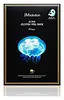
This hydrating sheet mask is formulated around Allantoin and Sodium Hyaluronate to hydrate skin and soften the look of wrinkles.
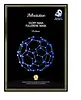
This hydrating sheet mask is formulated around Sodium Hyaluronate and Bifida Ferment Lysate to hydrate skin and soften the look of wrinkles.

What's inside
What's inside
 Key Ingredients
Benefits
Concerns
Ingredients Side-by-side
Water
Skin ConditioningGlycerin
Humectant


Methylpropanediol
SolventGlycereth-26
Humectant
PEG/PPG-17/6 Copolymer
SolventPhenoxyethanol
Preservative
Carbomer
Emulsion StabilisingTriethanolamine
BufferingPolysorbate 20
Emulsifying

Trehalose
Humectant
Betaine
Humectant
Erythritol
Humectant
Jellyfish Extract
HumectantEthylhexylglycerin
Skin Conditioning1,2-Hexanediol
Skin Conditioning
Disodium EDTA
ChelatingXanthan Gum
EmulsifyingAllantoin
Skin Conditioning
Parfum
Masking



Hydroxyethylcellulose
Emulsion StabilisingHydrolyzed Sodium Hyaluronate
Skin Conditioning
Potassium Hyaluronate
Skin ConditioningButylene Glycol
Humectant
Disodium Phosphate
BufferingPolysorbate 60
Emulsifying
Sodium Phosphate
BufferingArtemisia Princeps Leaf Extract
Skin ConditioningCalendula Officinalis Extract
Skin Conditioning
Hydrolyzed Collagen
Emollient
Sodium Hyaluronate
Humectant
Glucose
Humectant
Hyaluronic Acid
Humectant
Hydrolyzed Hyaluronic Acid
Humectant
Water, Glycerin, Methylpropanediol, Glycereth-26, PEG/PPG-17/6 Copolymer, Phenoxyethanol, Carbomer, Triethanolamine, Polysorbate 20, Trehalose, Betaine, Erythritol, Jellyfish Extract, Ethylhexylglycerin, 1,2-Hexanediol, Disodium EDTA, Xanthan Gum, Allantoin, Parfum, Hydroxyethylcellulose, Hydrolyzed Sodium Hyaluronate, Potassium Hyaluronate, Butylene Glycol, Disodium Phosphate, Polysorbate 60, Sodium Phosphate, Artemisia Princeps Leaf Extract, Calendula Officinalis Extract, Hydrolyzed Collagen, Sodium Hyaluronate, Glucose, Hyaluronic Acid, Hydrolyzed Hyaluronic Acid
Water
Skin ConditioningMethylpropanediol
SolventGlycerin
Humectant
Glycereth-26
Humectant
PEG/PPG-17/6 Copolymer
SolventPhenoxyethanol
Preservative
Trehalose
Humectant
Carbomer
Emulsion StabilisingTriethanolamine
BufferingHydroxyethyl Urea
Humectant
Betaine
Humectant
PEG-60 Hydrogenated Castor Oil
Emulsifying
Allantoin
Skin Conditioning
Ethylhexylglycerin
Skin ConditioningXanthan Gum
EmulsifyingDisodium EDTA
ChelatingHydroxyethylcellulose
Emulsion StabilisingParfum
Masking
1,2-Hexanediol
Skin Conditioning
Sodium Hyaluronate
Humectant
Butylene Glycol
Humectant
Bifida Ferment Lysate
Skin Conditioning
Ethoxydiglycol
HumectantPoloxamer 338
EmulsifyingHydrolyzed Hyaluronic Acid
Humectant
Hydroxypropyltrimonium Hyaluronate
Sea Water
HumectantPolysorbate 60
Emulsifying
Disodium Phosphate
BufferingUlmus Campestris Bark Extract
AstringentPotassium Hyaluronate
Skin ConditioningHydrolyzed Sodium Hyaluronate
Skin Conditioning
Glycine Max Seed Extract
Skin ConditioningResveratrol
Antioxidant

Sodium Phosphate
BufferingFerulic Acid
Antimicrobial
Sodium Acetylated Hyaluronate
Humectant
Sclerotium Gum
Emulsion StabilisingBeta-Glucan
Skin Conditioning
Lactobacillus Ferment
Skin Conditioning
Bacillus Ferment
Skin Conditioning
Aspergillus Ferment
Skin ConditioningPolyglyceryl-10 Diisostearate
Emulsifying
Pentylene Glycol
Skin Conditioning
Hydrogenated Lecithin
Emulsifying
Fullerenes
AntimicrobialCaprylic/Capric Triglyceride
Masking
Astaxanthin
Skin Conditioning
Saccharomyces Polypeptides
Skin Conditioning

Citric Acid
Buffering
Hyaluronic Acid
Humectant
Glycine Max Polypeptide
Skin Conditioning
Caprylyl Glycol
Emollient
Pvp
Emulsion StabilisingPalmitoyl Tripeptide-5
Skin Conditioning
Palmitoyl Pentapeptide-4
Skin Conditioning
Palmitoyl Oligopeptide
Cleansing
Acetyl Tetrapeptide-5
Humectant
Copper Tripeptide-1
Skin Conditioning
Acetyl Hexapeptide-8
Humectant
Palmitoyl Tetrapeptide-7
Skin Conditioning
Water, Methylpropanediol, Glycerin, Glycereth-26, PEG/PPG-17/6 Copolymer, Phenoxyethanol, Trehalose, Carbomer, Triethanolamine, Hydroxyethyl Urea, Betaine, PEG-60 Hydrogenated Castor Oil, Allantoin, Ethylhexylglycerin, Xanthan Gum, Disodium EDTA, Hydroxyethylcellulose, Parfum, 1,2-Hexanediol, Sodium Hyaluronate, Butylene Glycol, Bifida Ferment Lysate, Ethoxydiglycol, Poloxamer 338, Hydrolyzed Hyaluronic Acid, Hydroxypropyltrimonium Hyaluronate, Sea Water, Polysorbate 60, Disodium Phosphate, Ulmus Campestris Bark Extract, Potassium Hyaluronate, Hydrolyzed Sodium Hyaluronate, Glycine Max Seed Extract, Resveratrol, Sodium Phosphate, Ferulic Acid, Sodium Acetylated Hyaluronate, Sclerotium Gum, Beta-Glucan, Lactobacillus Ferment, Bacillus Ferment, Aspergillus Ferment, Polyglyceryl-10 Diisostearate, Pentylene Glycol, Hydrogenated Lecithin, Fullerenes, Caprylic/Capric Triglyceride, Astaxanthin, Saccharomyces Polypeptides, Citric Acid, Hyaluronic Acid, Glycine Max Polypeptide, Caprylyl Glycol, Pvp, Palmitoyl Tripeptide-5, Palmitoyl Pentapeptide-4, Palmitoyl Oligopeptide, Acetyl Tetrapeptide-5, Copper Tripeptide-1, Acetyl Hexapeptide-8, Palmitoyl Tetrapeptide-7
Ingredients Explained
These ingredients are found in both products.
Ingredients higher up in an ingredient list are typically present in a larger amount.
1,2-Hexanediol is a synthetic liquid and another multi-functional powerhouse.
It is a:
- Humectant, drawing moisture into the skin
- Emollient, helping to soften skin
- Solvent, dispersing and stabilizing formulas
- Preservative booster, enhancing the antimicrobial activity of other preservatives
Allantoin is a soothing ingredient known for its protective and moisturizing properties; it's basically a quiet workhorse ingredient you can find in a huge range of cosmetics.
Though it can be derived from the comfrey plant, allantoin is produced synthetically for cosmetic products to ensure purity.
Research shows it can encourage your skin cells to turn over and renew by stimulating keratinocyte and fibroblast proliferation.
It also has mild keratolytic properties to help loosen and shed dead skin cells without being harsh.
Studies also suggest allantoin can help calm inflammation by dialing down some of the chemical signals your skin sends out when it is irritated.
This ingredient is typically used in the 0.1-0.5% range, and the FDA recognizes it as a skin protectant in OTC products up to 2%.
Overall, allantoin is a wonderful addition to most routines; it is stable across a wide pH range (~4-8), works well with other ingredients, and is considered non-sensitizing/non-irritating.
Fun fact: Allantoin is naturally occurring in comfrey root, beets, chamomile, and wheat sprouts. Our bodies even produce it as a byproduct of uric acid metabolism.
Learn more about AllantoinBetaine is a humectant. Like hyaluronic acid, it helps attract and retain moisture in the skin. It’s known for being gentle and for helping the skin maintain balanced hydration.
Betaine is mainly used to improve hydration and support calmer skin. It helps skin cells regulate water balance because it functions as an osmolyte.
Some studies suggest betaine may support making skin tone more even.
Fun fact: Betaine naturally exists in the skin and the body. In cosmetic products, it can be either plant-derived (most commonly from sugar beets) or synthetically produced for consistency and stability.
Betaine is also known as trimethylglycine.
Learn more about BetaineButylene Glycol (or BG) is used within cosmetic products for a few different reasons:
Overall, Butylene Glycol is a safe and well-rounded ingredient that works well with other ingredients.
Though this ingredient works well with most skin types, some people with sensitive skin may experience a reaction such as allergic rashes, closed comedones, or itchiness.
Learn more about Butylene GlycolCarbomer is a synthetic thickening and gelling agent. It's basically the ingredient that gives a lot of serums, gels, creams, and sunscreens their smooth, non-sticky texture.
Although legally permitted at very high levels, carbomers are normally used at concentrations below 1%.
It also needs to be neutralized to actually thicken, and because it is a large molecule, it doesn't really penetrate the skin barrier.
Allergy-wise, the risk is very low. Clinical studies show carbomers have low potential for skin irritation/sensitization even at concentrations up to 100%.
A 2024 UK study patch-tested 1,302 patients and found true allergy to the parent group of carbomer to be rare with no confirmed relevant reactions.
Learn more about CarbomerDisodium EDTA is a chelating agent. It grabs onto and deactivates metal ions that sneak into your products from water, packaging, or air.
This ingredient mainly works behind the scenes and helps with:
On top of that, this ingredient can counteract the effects of hard water by binding to the minerals in it.
One thing worth knowing is that Disodium EDTA has been shown to be a mild penetration enhancer. It can help other ingredients absorb into skin more effectively which can be a double-edged sword (great for actives, but can also make the active too strong if you have sensitive skin).
Clinical patch testing showed no significant skin irritation at typical use concentrations and minimal dermal absorption.
You'll most likely see this ingredient near the end of an ingredient list. It's typically found in concentrations less than 1%.
Learn more about Disodium EDTADisodium Phosphate is a water-soluble powder used as a pH adjuster and mild chelating agent. It basically holds a specific pH and binds stray metal ions so your product stays stable.
This ingredient is usually used at very low levels and concentrations range from 0.000054% - 2.9%. The CIR Expert Panel states this ingredient to be non-irritating at current use levels.
Ethylhexylglycerin is created from glycerin. It is a multitasker ingredient that:
The CIR Expert Panel found minimal skin absorption or sensitization of any kind in a safety assessment. Though this ingredient is considered well-tolerated, a small number of cases of allergic dermatitis have been published since 2002. Just be sure to patch test if you are unsure.
Industry-reported use ranges from 8% in rinse-off products and 2% in leave-on formulations.
Learn more about EthylhexylglycerinGlycereth-26 is a synthetic ingredient and polyethylene glycol ether of Glycerin. Glycerin is already naturally found in your skin and helps keep your skin moisturized.
It is a humectant and helps add texture to products. It can make your product thicker.
As a humectant, it helps draw moisture from the air to your skin. This helps your skin stay hydrated.
Learn more about Glycereth-26Glycerin (or glycerol) is a compound naturally found in your skin. It's a powerhouse humectant that pulls water into the stratum corneum.
Topically, glycerin does several things at once:
Your skin makes glycerin on its own (mostly from sebaceous oil breakdown) and shuttles it to your outermost layer of skin, or your epidermis, via aquaporin-3.
Aquaporin-3 is a transporter that is essential for normal skin hydration, elasticity, and repair. Interestingly, mice lacking in AQP3 have dry and less elastic skin that can be fully corrected with glycerin.
This ingredient is non-irritating, plays well with almost every ingredient, and works across all skin types. Typical use is anywhere between 3-10% but can go up to 79% in some leave-on products.
Just know very high concentrations (>40%) can feel tacky in low humidity.
Glycerin is the name for this ingredient in American English. British English uses Glycerol/Glycerine.
Learn more about GlycerinHyaluronic acid (HA) is a glycosaminoglycan (basically a long sugar chain) that your skin already makes on its own. In your skin, HA lives in the extracellular matrix and acts as the body's moisture reservoir.
Topically, HA is a humectant that binds water and helps skin look more plump, smooth, and hydrated.
The only catch is that HA isn't a single thing; it actually comes in a wide range of molecular weights (~50 - 2,000+ kDA) and size matters.
Some clinical evidence links low molecular weight versions to improved wrinkle depth, elasticity, anti-inflammatory effects, and barrier repair.
This is why the best HA serums blend the two sizes together so you get the best of both worlds.
The majority of cosmetic HA is produced by bacterial fermentation, typically using Streptococcus or Bacillus strains. Typical use levels in skincare sit around 0.1-2%.
A clinical study using a 0.2% low-molecular weight HA gel showed improvement in facial seborrheic dermatitis with excellent tolerance.
These are some other common types of Hyaluronic Acid:
Learn more about Hyaluronic AcidHydrolyzed Hyaluronic Acid is hyaluronic acid (HA) that is broken down into lower molecular weight fragments.
It's a humectant that pulls and holds water in the skin to help with hydration, plumpness, and reduce transepidermal water loss.
Because hydrolyzed hyaluronic acid is smaller in size, it can slip past your outermost layer of skin more easily than full-sized HA.
Most formulations will combine all sizes to get the best of both worlds.
Typical usage levels range from 0.01-1%. Any percentage higher than 2% might become goopy and tacky.
Learn more about Hydrolyzed Hyaluronic AcidThis ingredient is created by putting sodium hyaluronate through hydrolysis.
You might know this as 'mini' or 'ultra low-molecular weight' hyaluronic acid. The small molecule size means it is able to travel deeper in the skin.
According to studies, low molecular-weight hyaluronic acid can:
One study from 2011 found ultra-low weight HA to show pro-inflammatory properties. Another study from 2022 found it to downregulate UV-B induced inflammation.
Hydrolysis is a process of changing a molecule using water or enzymes.
This ingredient is water-soluble.
Learn more about Hydrolyzed Sodium HyaluronateHydroxyethylcellulose is used to improve the texture of products. It is created from a chemical reaction involving ethylene oxide and alkali-cellulose. Cellulose is a sugar found in plant cell walls and help give plants structure.
This ingredient helps stabilize products by preventing ingredients from separating. It can also help thicken the texture of a product.
This ingredient can also be found in pill medicines to help our bodies digest other ingredients.
Learn more about HydroxyethylcelluloseMethylpropanediol is a synthetic solvent and humectant.
As a solvent, it helps dissolve other ingredients, helping to evenly distribute ingredients throughout the product. This ingredient has also been shown to have antimicrobial properties which makes it a preservative booster.
Methylpropanediol is able to add a bit of moisture to the skin. It also helps other ingredients be better absorbed into the skin, such as salicylic acid.
Learn more about MethylpropanediolParfum is a catch-all term for an ingredient or more that is used to give a scent to products.
Also called "fragrance", this ingredient can be a blend of hundreds of chemicals or plant oils. This means every product with "fragrance" or "parfum" in the ingredients list is a different mixture.
For instance, Habanolide is a proprietary trade name for a specific aroma chemical. When used as a fragrance ingredient in cosmetics, most aroma chemicals fall under the broad labeling category of “FRAGRANCE” or “PARFUM” according to EU and US regulations.
The term 'parfum' or 'fragrance' is not regulated in many countries. In many cases, it is up to the brand to define this term.
For instance, many brands choose to label themselves as "fragrance-free" because they are not using synthetic fragrances. However, their products may still contain ingredients such as essential oils that are considered a fragrance by INCI standards.
One example is Calendula flower extract. Calendula is an essential oil that still imparts a scent or 'fragrance'.
Depending on the blend, the ingredients in the mixture can cause allergies and sensitivities on the skin. Some ingredients that are known EU allergens include linalool and citronellol.
Parfum can also be used to mask or cover an unpleasant scent.
The bottom line is: not all fragrances/parfum/ingredients are created equally. If you are worried about fragrances, we recommend taking a closer look at an ingredient. And of course, we always recommend speaking with a professional.
Learn more about ParfumWe don't have a description for PEG/PPG-17/6 Copolymer yet.
Phenoxyethanol is one of the most widely used preservatives in skincare (and for good reason!).
It has a large spectrum of antimicrobial activity and especially effective bacteria, yeast, and mold while only having a weak effect on your skin's natural microbiome.
On a cellular level, it disrupts the cell membranes of microbes by poking holes that make the cell leak. This shuts down the chemical reactions the microbe needs to make energy so it can no longer survive.
Another perk of this ingredient is that it stays functional across a wide pH range (3-10).
You'll often see it paired with boosters like Ethylhexylglycerin; one study showed that a 1:9 ratio of Ethylhexylglycerin to Phenoxyethanol damages bacterial membranes as effectively as doubling the Phenoxyethanol concentration on its own.
Typical use concentrations range from 0.3-1% depending on the formula, and this ingredient is capped at 1% int the EU.
Safety-wise, the fear mongering does not hold up to the evidence. The EU's Scientific Committee on Consumer Safety and FDA consider it safe as a preservative at up to 1%, including for children of all ages.
Adverse systemic effects only showed up in animal studies at exposures roughly 200x higher than what people get from cosmetics. And despite its very widespread use, this ingredient is a rare sensitizer and allergic reactions are uncommon.
Learn more about PhenoxyethanolPolysorbate 60 is used to help stabilize products. It is a surfactant and emulsifier. These properties help keep ingredients together in a product. Surfactants help reduce surface tension between ingredients with different states, such as liquids and solids. Emulsifiers help prevent oils and waters from separating.
Polysorbate 60 is sorbitol-based and created from the ethoxylation of sorbitan. Ethoxylation is a chemical reaction used to add ethylene oxide. Sorbitan is a the dehydrated version of sorbitol, a sugar found in fruits.
In this case, the 60 comes from reacting 60 units of ethylene oxide with sorbitan.
Polysorbates are commonly used in medicine and foods.
Learn more about Polysorbate 60Potassium hyaluronate (PH) is a salt form of hyaluronic acid and has similar skin hydrating benefits.
Similar to hyaluronic acid, PH is able to draw and hold moisture to your skin. This helps keep skin soft and hydrated.
Fun fact: PH is used in eye drops and injectable treatments for joint disorders. It has lubricating and tissue-repair properties.
Learn more about Potassium HyaluronateSodium Hyaluronate is the salt form of hyaluronic acid. It is a long sugar chain that is naturally found in your skin, joints, and connective tissue that maintains hydration and elasticity.
In skincare, it works as a humectant. It pulls water from the environment and deeper layers of skin and binds it to the surface.
Interestingly, the size of the molecule affects its behavior:
Some clinical evidence links low molecular weight versions to improved wrinkle depth, elasticity, anti-inflammatory effects, and barrier repair.
Many serums use a blend of both weights so you can get surface hydration plus longer-lasting and deeper effects.
You'll typically see concentrations between 0.1-2% for this ingredient.
Learn more about Sodium HyaluronateSodium Phosphate is is behind-the-scenes formulation helper. Its main job is buffering, or locking in the product's pH.
This helps ensure the formula stays at its intended acidity through manufacturing, shipping, and sitting on your shelf. Many active ingredients like vitamin C or retinoids are pH sensitive so maintaining their happy pH range matters.
It is synthetic and reported use concentrations are very low (up to 0.086% in face powders).
Learn more about Sodium PhosphateTrehalose is a disaccharide made of two glucose molecules (glucose is sugar!). Trehalose is used to help moisturize skin. It also has antioxidant properties.
As a humectant, trehalose helps draw moisture from the air to your skin. This helps keep your skin hydrated.
Due to its antioxidant properties, trehalose may help with signs of aging. Antioxidants help fight free-radical molecules, unstable molecules that may damage your skin.
In medicine, trehalose and hyaluronic acid are used to help treat dry eyes.
Some animals, plants, and bacteria create trehalose as a source of energy to survive freeze or lack of water.
Learn more about TrehaloseTriethanolamine (TEA) is an emulsifier and pH adjuster. It is created using ethylene oxide and ammonia. This gives Triethanolamine a nitrogen core and a similar scent to ammonia.
As an emulsifier, it prevents ingredients from separating and enhances texture by adding volume to a product.
PH adjusters are common in cosmetic products. The pH of a product can affect the effectiveness of other ingredients. A product with a high pH may also irritate the skin.
If you are looking for the tea leaf ingredient, click here.
Learn more about TriethanolamineWater. It's the most common cosmetic ingredient of all. You'll usually see it at the top of ingredient lists, meaning that it makes up the largest part of the product.
So why is it so popular? Water most often acts as a solvent - this means that it helps dissolve other ingredients into the formulation.
You'll also recognize water as that liquid we all need to stay alive. If you see this, drink a glass of water. Remember to stay hydrated!
Learn more about WaterXanthan gum is used as a stabilizer and thickener within cosmetic products. It helps give products a sticky, thick feeling - preventing them from being too runny.
On the technical side of things, xanthan gum is a polysaccharide - a combination consisting of multiple sugar molecules bonded together.
Xanthan gum is a pretty common and great ingredient. It is a natural, non-toxic, non-irritating ingredient that is also commonly used in food products.
Learn more about Xanthan Gum

