
What's inside
What's inside
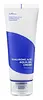 Key Ingredients
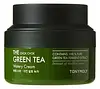
Benefits
Concerns
No concerns
Ingredients Side-by-side
Water
Skin ConditioningMethylpropanediol
SolventCoco-Caprylate/Caprate
Emollient
1,2-Hexanediol
Skin Conditioning
Glycerin
Humectant

Biosaccharide Gum-1
Humectant
Betaine
Humectant
Ammonium Acryloyldimethyltaurate/Vp Copolymer
Trehalose
Humectant
Sodium Hyaluronate
Humectant

Hydrolyzed Hyaluronic Acid
Humectant
Centella Asiatica Extract
Cleansing
Polygonum Cuspidatum Root Extract
Antioxidant
Scutellaria Baicalensis Root Extract
Astringent
Camellia Sinensis Leaf Extract
Antimicrobial


Portulaca Oleracea Extract
Skin Conditioning
Glycyrrhiza Glabra Root Extract
Bleaching
Houttuynia Cordata Extract
Skin Conditioning
Rosmarinus Officinalis Leaf Extract
AntimicrobialChamomilla Recutita Flower Extract
Masking
Sodium Hyaluronate Crosspolymer
Humectant
Sodium PCA
Humectant
Squalane
Emollient
Isostearyl Alcohol
Emollient

Butylene Glycol Cocoate
Emulsifying
Cetearyl Olivate
Sorbitan Olivate
Emulsifying
Hyaluronic Acid
Humectant
Hydrolyzed Jojoba Esters
Skin Conditioning
Hydrogenated Olive Oil Unsaponifiables
Emollient
Butylene Glycol
Humectant
Hydrolyzed Sodium Hyaluronate
Skin Conditioning
Allantoin
Skin Conditioning
Xanthan Gum
EmulsifyingEthylcellulose
Propanediol
Solvent
Phenyl Trimethicone
Skin Conditioning
Pentylene Glycol
Skin Conditioning
Ethylhexylglycerin
Skin ConditioningWater, Methylpropanediol, Coco-Caprylate/Caprate, 1,2-Hexanediol, Glycerin, Biosaccharide Gum-1, Betaine, Ammonium Acryloyldimethyltaurate/Vp Copolymer, Trehalose, Sodium Hyaluronate, Hydrolyzed Hyaluronic Acid, Centella Asiatica Extract, Polygonum Cuspidatum Root Extract, Scutellaria Baicalensis Root Extract, Camellia Sinensis Leaf Extract, Portulaca Oleracea Extract, Glycyrrhiza Glabra Root Extract, Houttuynia Cordata Extract, Rosmarinus Officinalis Leaf Extract, Chamomilla Recutita Flower Extract, Sodium Hyaluronate Crosspolymer, Sodium PCA, Squalane, Isostearyl Alcohol, Butylene Glycol Cocoate, Cetearyl Olivate, Sorbitan Olivate, Hyaluronic Acid, Hydrolyzed Jojoba Esters, Hydrogenated Olive Oil Unsaponifiables, Butylene Glycol, Hydrolyzed Sodium Hyaluronate, Allantoin, Xanthan Gum, Ethylcellulose, Propanediol, Phenyl Trimethicone, Pentylene Glycol, Ethylhexylglycerin
Camellia Sinensis Leaf Extract
Antimicrobial
Cyclomethicone
Emollient
Propanediol
Solvent
Glycerin
Humectant
Glycereth-26
Humectant
Pentaerythrityl Tetraethylhexanoate
Emollient
Butylene Glycol Dicaprylate/Dicaprate
EmollientSorbitan Olivate
Emulsifying
Cetearyl Olivate
1,2-Hexanediol
Skin Conditioning
Polyacrylate Crosspolymer-6
Emulsion StabilisingPolysilicone-11
Phytosteryl/Octyldodecyl Lauroyl Glutamate
Skin ConditioningAmmonium Acryloyldimethyltaurate/Vp Copolymer
Aniba Rosodora Wood Oil
Astringent
Citrus Limon Seed Oil
Masking
Disodium EDTA
3-O-Ethyl Ascorbic Acid
Skin Conditioning
Camellia Sinensis Leaf Extract, Cyclomethicone, Propanediol, Glycerin, Glycereth-26, Pentaerythrityl Tetraethylhexanoate, Butylene Glycol Dicaprylate/Dicaprate, Sorbitan Olivate, Cetearyl Olivate, 1,2-Hexanediol, Polyacrylate Crosspolymer-6, Polysilicone-11, Phytosteryl/Octyldodecyl Lauroyl Glutamate, Ammonium Acryloyldimethyltaurate/Vp Copolymer, Aniba Rosodora Wood Oil, Citrus Limon Seed Oil, Disodium EDTA, 3-O-Ethyl Ascorbic Acid
Reviews
Ingredients Explained
These ingredients are found in both products.
Ingredients higher up in an ingredient list are typically present in a larger amount.
1,2-Hexanediol is a synthetic liquid and another multi-functional powerhouse.
It is a:
- Humectant, drawing moisture into the skin
- Emollient, helping to soften skin
- Solvent, dispersing and stabilizing formulas
- Preservative booster, enhancing the antimicrobial activity of other preservatives
Ammonium Acryloyldimethyltaurate/Vp Copolymer is a synthetically created polymer. It's used as a film-forming agent and used to thicken the consistency of products.
Think of it as a supportive ingredient that helps your gel-creams feel silky, "cloud cream-like", and spread evenly without being greasy.
The Cosmetic Ingredient Review (CIR) Expert Panel evaluated it (along with 22 other acryloyldimethyltaurate polymers) and concluded it's:
Due to its large molecular size, it sits on the surface of skin rather than penetrating it.
Learn more about Ammonium Acryloyldimethyltaurate/Vp CopolymerCamellia Sinensis Leaf Extract (tea extract) is one of the most well-researched plant extracts in skincare with an impressive resume.
Black tea, green tea, and oolong tea are all harvested from the Camellia Sinensis plant.
Studies show green tea extract and its catechins (like epigallocatechin gallate (EGCG)) help your skin cells product energy more efficiently and reducing the number of free-radicals that can damage your skin from the inside.
In lab-grown skin models, this translated to younger, healthier, and stronger skin.
There's also good sun protection data; researchers saw less DNA damage and redness on human skin when green tea was applied before UVB exposure. And the more they applied, the better the protection.
Needless to say, this ingredient shouldn't replace your sunscreen. But it is a great supportive ingredient that you can already find in many sunscreens and antioxidant serums.
A 2009 study found a 2% green tea lotion was effective for mild-to-moderate acne thanks to its anti-inflammatory and mild antimicrobial activity.
The quality of the extract matters a lot here:
Good extracts contain 50-90% catechins while lower quality ones are mostly there for marketing. We recommend reaching out to the brand if you have questions about the quality or source of their ingredients.
Human Repeated Insult Patch Testing showed no irritation or sensitization at use concentrations (0.86% in leave-on products and up to 30% as leaf water).
Learn more about Camellia Sinensis Leaf ExtractCetearyl Olivate is an emulsifier and texture enhancer. It is derived from the fatty acids of olive oil and Cetearyl alcohol, and is biodegradable.
As an emulsifier, it is used to prevent oils and waters from separating. It can also
This ingredient is also known as part of Olivem 1000, with Sorbitan Olivate being the other part.
According to a manufacturer, this ingredient helps preserve the natural microbiome of skin. Having a healthy microbiome helps keep our skin healthy and protects against harmful bacteria.
Please note, having a healthy microbiome is different from fungal acne; a healthy microbiome includes small amounts of yeast that normally live on your skin without causing problems.
Fungal acne happens when one type of yeast (Malassezia) grows out of control. This is usually because it's feeding on certain oils or fatty acids. Due to the olive oil base, this ingredient may feed that yeast, so it may not be fungal acne safe.
Learn more about Cetearyl OlivateGlycerin (or glycerol) is a compound naturally found in your skin. It's a powerhouse humectant that pulls water into the stratum corneum.
Topically, glycerin does several things at once:
Your skin makes glycerin on its own (mostly from sebaceous oil breakdown) and shuttles it to your outermost layer of skin, or your epidermis, via aquaporin-3.
Aquaporin-3 is a transporter that is essential for normal skin hydration, elasticity, and repair. Interestingly, mice lacking in AQP3 have dry and less elastic skin that can be fully corrected with glycerin.
This ingredient is non-irritating, plays well with almost every ingredient, and works across all skin types. Typical use is anywhere between 3-10% but can go up to 79% in some leave-on products.
Just know very high concentrations (>40%) can feel tacky in low humidity.
Glycerin is the name for this ingredient in American English. British English uses Glycerol/Glycerine.
Learn more about GlycerinPropanediol is an all-star ingredient. It softens, hydrates, and smooths the skin.
It’s often used to:
Propanediol is not likely to cause sensitivity and considered safe to use. It is derived from corn or petroleum with a clear color and no scent.
Learn more about PropanediolSorbitan Olivate is created from the fatty acids in olive oil and sorbitol.
This ingredient is an oil in water emulsifier. It helps stabilize a product by preventing oils and waters from separating. Sorbitan Olivate also helps hydrate the skin.
This ingredient is also known as part of Olivem 1000, with Cetearyl Olivate being the other part.
According to a manufacturer, this ingredient helps preserve the natural microbiome of skin. Having a healthy microbiome helps keep our skin healthy and protects against harmful bacteria.
Please note, having a healthy microbiome is different from fungal acne; a healthy microbiome includes small amounts of yeast that normally live on your skin without causing problems.
Fungal acne happens when one type of yeast (Malassezia) grows out of control. This is usually because it's feeding on certain oils or fatty acids. Due to the olive oil base, this ingredient may not be fungal acne safe.
Learn more about Sorbitan Olivate
