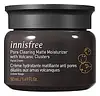
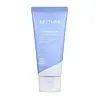
innisfree Pore Clearing Matte Moisturizer with Volcanic Clusters Versus Dr. Ato Ato Barrier 365 Hydro Soothing Cream
This pore-care moisturizer is formulated around Lactic Acid and Salicylic Acid to refine the look of pores and balance excess oil.
This barrier-repair day moisturizer is formulated around Trehalose and Hydrogenated Lecithin to strengthen the skin barrier and hydrate skin.

What's inside
What's inside
 Key Ingredients
Benefits
Concerns
Ingredients Side-by-side
Water
Skin ConditioningButylene Glycol
Humectant

Propanediol
Solvent
Limnanthes Alba Seed Oil
Skin Conditioning


Methyl Trimethicone
Skin Conditioning
Hydrogenated Poly(C6-14 Olefin)
EmollientPolymethylsilsesquioxane
1,2-Hexanediol
Skin Conditioning
Diphenylsiloxy Phenyl Trimethicone
Skin Conditioning
C14-22 Alcohols
Emulsion Stabilising
CI 77891
Cosmetic ColorantHydrogenated Lecithin
Emulsifying
Hydroxypropyl Starch Phosphate
Cetyl Hydroxyethylcellulose
Emulsion StabilisingAmmonium Acryloyldimethyltaurate/Vp Copolymer
Hydroxyethyl Acrylate/Sodium Acryloyldimethyl Taurate Copolymer
Emulsion StabilisingGlyceryl Stearate
Emollient
C12-20 Alkyl Glucoside
EmulsifyingGlyceryl Caprylate
EmollientDisodium EDTA
ChelatingEthylhexylglycerin
Skin ConditioningTromethamine
BufferingLactic Acid
Buffering









Salicylic Acid
Masking



Gluconolactone
Chelating
Sorbitan Isostearate
Emulsifying
Hydrated Silica
Abrasive
Volcanic Ash
Abrasive
Disodium Phosphate
BufferingSilica Dimethyl Silylate
EmollientGlucose
Humectant
Silica
Abrasive
Lactic Acid/Glycolic Acid Copolymer
Skin ConditioningTocopherol
Antioxidant


Polyquaternium-10
Water, Butylene Glycol, Propanediol, Limnanthes Alba Seed Oil, Methyl Trimethicone, Hydrogenated Poly(C6-14 Olefin), Polymethylsilsesquioxane, 1,2-Hexanediol, Diphenylsiloxy Phenyl Trimethicone, C14-22 Alcohols, CI 77891, Hydrogenated Lecithin, Hydroxypropyl Starch Phosphate, Cetyl Hydroxyethylcellulose, Ammonium Acryloyldimethyltaurate/Vp Copolymer, Hydroxyethyl Acrylate/Sodium Acryloyldimethyl Taurate Copolymer, Glyceryl Stearate, C12-20 Alkyl Glucoside, Glyceryl Caprylate, Disodium EDTA, Ethylhexylglycerin, Tromethamine, Lactic Acid, Salicylic Acid, Gluconolactone, Sorbitan Isostearate, Hydrated Silica, Volcanic Ash, Disodium Phosphate, Silica Dimethyl Silylate, Glucose, Silica, Lactic Acid/Glycolic Acid Copolymer, Tocopherol, Polyquaternium-10
Water
Skin ConditioningPropanediol
Solvent
Glycerin
Humectant
Phenyl Trimethicone
Skin Conditioning
Methyl Trimethicone
Skin Conditioning
1,2-Hexanediol
Skin Conditioning
Trehalose
Humectant
Dicaprylyl Carbonate
EmollientAmmonium Acryloyldimethyltaurate/Vp Copolymer
Hydrogenated Lecithin
Emulsifying
Hydrogenated Polyisobutene
EmollientHydroxyethyl Acrylate/Sodium Acryloyldimethyl Taurate Copolymer
Emulsion StabilisingCetearyl Alcohol
Emollient


Acrylates/C10-30 Alkyl Acrylate Crosspolymer
Emulsion StabilisingGlyceryl Caprylate
EmollientGlyceryl Stearate
Emollient
Tromethamine
BufferingDisodium EDTA
ChelatingEthylhexylglycerin
Skin ConditioningStearic Acid
Cleansing
Palmitic Acid
Emollient
Polyglyceryl-3 Methylglucose Distearate
Emulsifying
Sorbitan Isostearate
Emulsifying
Mannitol
Humectant
Arginine
Masking
Serine
Masking
Sucrose
Humectant
PCA
Humectant
Citrulline
Skin ConditioningGlycogen
HumectantHistidine Hcl
Skin ConditioningAlanine
Masking
Tocopherol
Antioxidant
Hydroxypropyl Bispalmitamide Mea
Emollient
Threonine
Glutamic Acid
Humectant
Myristic Acid
Cleansing
Arachidic Acid
Cleansing
Lysine Hcl
Skin Conditioning
Acrylates/Ammonium Methacrylate Copolymer
Cholesterol
Emollient
Silica
Abrasive
Water, Propanediol, Glycerin, Phenyl Trimethicone, Methyl Trimethicone, 1,2-Hexanediol, Trehalose, Dicaprylyl Carbonate, Ammonium Acryloyldimethyltaurate/Vp Copolymer, Hydrogenated Lecithin, Hydrogenated Polyisobutene, Hydroxyethyl Acrylate/Sodium Acryloyldimethyl Taurate Copolymer, Cetearyl Alcohol, Acrylates/C10-30 Alkyl Acrylate Crosspolymer, Glyceryl Caprylate, Glyceryl Stearate, Tromethamine, Disodium EDTA, Ethylhexylglycerin, Stearic Acid, Palmitic Acid, Polyglyceryl-3 Methylglucose Distearate, Sorbitan Isostearate, Mannitol, Arginine, Serine, Sucrose, PCA, Citrulline, Glycogen, Histidine Hcl, Alanine, Tocopherol, Hydroxypropyl Bispalmitamide Mea, Threonine, Glutamic Acid, Myristic Acid, Arachidic Acid, Lysine Hcl, Acrylates/Ammonium Methacrylate Copolymer, Cholesterol, Silica
Reviews
Ingredients Explained
These ingredients are found in both products.
Ingredients higher up in an ingredient list are typically present in a larger amount.
1,2-Hexanediol is a synthetic liquid and another multi-functional powerhouse.
It is a:
- Humectant, drawing moisture into the skin
- Emollient, helping to soften skin
- Solvent, dispersing and stabilizing formulas
- Preservative booster, enhancing the antimicrobial activity of other preservatives
Ammonium Acryloyldimethyltaurate/Vp Copolymer is a synthetically created polymer. It's used as a film-forming agent and used to thicken the consistency of products.
Think of it as a supportive ingredient that helps your gel-creams feel silky, "cloud cream-like", and spread evenly without being greasy.
The Cosmetic Ingredient Review (CIR) Expert Panel evaluated it (along with 22 other acryloyldimethyltaurate polymers) and concluded it's:
Due to its large molecular size, it sits on the surface of skin rather than penetrating it.
Learn more about Ammonium Acryloyldimethyltaurate/Vp CopolymerDisodium EDTA is a chelating agent. It grabs onto and deactivates metal ions that sneak into your products from water, packaging, or air.
This ingredient mainly works behind the scenes and helps with:
On top of that, this ingredient can counteract the effects of hard water by binding to the minerals in it.
One thing worth knowing is that Disodium EDTA has been shown to be a mild penetration enhancer. It can help other ingredients absorb into skin more effectively which can be a double-edged sword (great for actives, but can also make the active too strong if you have sensitive skin).
Clinical patch testing showed no significant skin irritation at typical use concentrations and minimal dermal absorption.
You'll most likely see this ingredient near the end of an ingredient list. It's typically found in concentrations less than 1%.
Learn more about Disodium EDTAEthylhexylglycerin is created from glycerin. It is a multitasker ingredient that:
The CIR Expert Panel found minimal skin absorption or sensitization of any kind in a safety assessment. Though this ingredient is considered well-tolerated, a small number of cases of allergic dermatitis have been published since 2002. Just be sure to patch test if you are unsure.
Industry-reported use ranges from 8% in rinse-off products and 2% in leave-on formulations.
Learn more about EthylhexylglycerinGlyceryl Caprylate comes from glycerin and caprylic acid. It is an emollient, co-emulsifier, and preservative booster.
Its short C8 fatty acid chain makes it behave differently from its longer-chain emollient cousins like Glyceryl Stearate. It feels more lightweight, fast-absorbing, and silky instead of rich and waxy.
As a co-emulsifier, its "head" and "tail" sit at the oil-water interface. But overall, the short C8 tail and not being water soluble means it doesn't really have the muscle to emulsify a formula on its own. That's why you'll often see it paired with a primary emulsifier like Cetearyl Glucoside.
Interestingly, Glyceryl Caprylate acts as a preservative booster. This is because its fatty-acid backbone disrupts microbial lipid membranes. It shows excellent activity against bacteria and yeast but is weaker against mold.
Typical concentrations range from 0.5-1% and this ingredient is generally non-irritating.
Because this ingredient has a C8 fatty acid chain, it is outside the range that the Malassezia yeast metabolizes (making it fungal acne safe).
Learn more about Glyceryl CaprylateGlyceryl Stearate is made by reacting glycerin with stearic acid (typically sourced from plant oils like palm or coconut). It's an emulsifier, emollient, and mild occlusive.
Emulsifiers help ingredients like oil and water stay mixed so your formula stays nicely blended and uniform in texture.
This ingredient is typically used in concentrations between 1-10%. Studies have found it to be non-sensitizing, non-phototoxic, and non-photoallergenic.
A close cousin of this ingredient is Glyceryl Stearate SE ("self-emulsifying"). This just has a small amount of sodium or potassium stearate added so it can emulsify without a co-emulsifier.
Since this ingredient is an ester of a C18 fatty acid, it may not be fungal acne safe. The Malassezia yeast can potentially metabolize within the C11-C24 range.
Fun fact: The human body also creates Glyceryl Stearate naturally.
Learn more about Glyceryl StearateHydrogenated Lecithin is a more stable version of lecithin.
It's made by taking lecithin (a phospholipid commonly found in soybeans and egg yolks) and hydrogenating it. This just means the unsaturated fatty acids are turned into saturated ones so they don't go bad as easily.
This ingredient is an emollient, emulsifier, and penetration enhancer. As an emollient, it helps soften and hydrate skin by trapping moisture within. As an emulsifier, it prevents oil and water ingredients from separating.
Hydrogenated Lecithin can form tiny spherical structures made of phospholipid bilayers called liposomes. These liposomes are able to capture compounds inside their structure and deliver them through the skin barrier.
Because phospholipids are a natural component of our cell membranes, this ingredient is inherently compatible with skin.
A 2021 study found lecithin-based surfactants were less harsh and more tolerable comared to Sodium Lauryl Sulfate (SLS).
Learn more about Hydrogenated LecithinThis is a synthetic polymer. It helps improve the texture of products by adding thickness and gel-like feel.
It is also an emulsifer, meaning it prevents ingredients such as oil and water from separating. It also helps evenly disperse other ingredients.
Methyl Trimethicone is a type of silicone. It is a solvent and emulsifier.
Solvents are used to keep ingredients together in a product. They can help dissolve ingredients to stable bases or help evenly distribute ingredients throughout the product.
Emulsifiers help stabilize a product. It does this by preventing certain ingredients from separating.
Methyl Trimethicone does not get absorbed into the skin.
Learn more about Methyl TrimethiconePropanediol is an all-star ingredient. It softens, hydrates, and smooths the skin.
It’s often used to:
Propanediol is not likely to cause sensitivity and considered safe to use. It is derived from corn or petroleum with a clear color and no scent.
Learn more about PropanediolSilica, also known as silicon dioxide, is a naturally occurring mineral. It is used as a fine, spherical, and porous powder in cosmetics.
Though it has exfoliant properties, the function of silica varies depending on the product.
The unique structure of silica enhances the spreadability and adds smoothness, making it a great texture enhancer.
It is also used as an active carrier, emulsifier, and mattifier due to its ability to absorb excess oil.
In some products, tiny microneedles called spicules are made from silica or hydrolyzed sponge. When you rub them in, they lightly polish away dead skin layers and enhance the penetration of active ingredients.
Learn more about SilicaSorbitan Isostearate is an emulsifer. It is created from isostearic acid and sorbitol.
As an emulsifier, it keeps the water and oil ingredients from separating. This keeps formulas stable and smooth.
In a 24 hour occlusive patch test on 56 subjects, 10% sorbitan isostearate was completely non-irritating. Most formulas use less than 10%.
Because it's a fatty acid ester, it may not be fungal acne safe since the Malassezia yeast can utilize it as a nutrient source.
Learn more about Sorbitan IsostearateTocopherol is a fat-soluble antioxidant known as Vitamin E.
You'll find this ingredient in the vast majority of skincare (for good reason). It works to neutralize free radicals, or unstable molecules generated by UV exposure, pollution, and other environmental stressors, before they can cause oxidative damage to your skin cells.
Topically applied tocopherol has been shown to protect against UV damage by ramping up the skin's own natural defense enzymes.
It also acts as a skin conditioning agent; some studies show that regular topical use can improve the skin's water-binding capacity over 2-4 weeks.
This ingredient is especially loved for being a team player. When combined with Vitamin C, the photoprotective effect of both ingredients roughly doubles and the combo also helps reduce UV-induced DNA damage.
This ingredient has some brightening potential but it's more of a prevention ingredient than spot-fader. Cell studies show it can slow down melanin production but it's worth noting that it's not the most powerful brightener out there.
In formulations, it also serves as a stabilizer that helps protect other oxidation-prone ingredients from degrading.
Concentrations usually range from 0.1-1% in most leave-on products.
Learn more about TocopherolTromethamine (aka THAM) is a synthetic amino acid that shows up in skincare as a helper ingredient.
It functions as a pH adjuster to help neutralize acidic ingredients and set a formula's pH to the right spot.
This matters a lot because a lot of actives (like vitamin C) needs a specific pH to work well and feel comfortable on skin.
Concentration use ranges from 0.1-1.0% depending on the formula.
Learn more about TromethamineWater. It's the most common cosmetic ingredient of all. You'll usually see it at the top of ingredient lists, meaning that it makes up the largest part of the product.
So why is it so popular? Water most often acts as a solvent - this means that it helps dissolve other ingredients into the formulation.
You'll also recognize water as that liquid we all need to stay alive. If you see this, drink a glass of water. Remember to stay hydrated!
Learn more about Water

