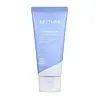
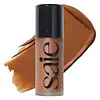
Dr. Ato Ato Barrier 365 Hydro Soothing Cream Versus Saie Dew Bronze Soft-Focus Effortless Liquid Bronzer
This barrier-repair day moisturizer is formulated around Trehalose and Hydrogenated Lecithin to strengthen the skin barrier and hydrate skin.


What's inside
What's inside
 Key Ingredients
Benefits
Concerns
Ingredients Side-by-side
Water
Skin ConditioningPropanediol
Solvent

Glycerin
Humectant
Phenyl Trimethicone
Skin Conditioning
Methyl Trimethicone
Skin Conditioning
1,2-Hexanediol
Skin Conditioning
Trehalose
Humectant
Dicaprylyl Carbonate
EmollientAmmonium Acryloyldimethyltaurate/Vp Copolymer
Hydrogenated Lecithin
Emulsifying
Hydrogenated Polyisobutene
EmollientHydroxyethyl Acrylate/Sodium Acryloyldimethyl Taurate Copolymer
Emulsion StabilisingCetearyl Alcohol
Emollient






Acrylates/C10-30 Alkyl Acrylate Crosspolymer
Emulsion StabilisingGlyceryl Caprylate
EmollientGlyceryl Stearate
Emollient
Tromethamine
BufferingDisodium EDTA
Ethylhexylglycerin
Skin ConditioningStearic Acid
Cleansing
Palmitic Acid
Emollient
Polyglyceryl-3 Methylglucose Distearate
Emulsifying
Sorbitan Isostearate
Emulsifying
Mannitol
Humectant
Arginine
Masking
Serine
Masking
Sucrose
Humectant
PCA
Humectant
Citrulline
Skin ConditioningGlycogen
HumectantHistidine Hcl
Skin ConditioningAlanine
Masking
Tocopherol
Antioxidant




Hydroxypropyl Bispalmitamide Mea
Emollient
Threonine
Glutamic Acid
Humectant
Myristic Acid
Cleansing
Arachidic Acid
Cleansing
Lysine Hcl
Skin Conditioning
Acrylates/Ammonium Methacrylate Copolymer
Cholesterol
Emollient
Silica
Abrasive


Water, Propanediol, Glycerin, Phenyl Trimethicone, Methyl Trimethicone, 1,2-Hexanediol, Trehalose, Dicaprylyl Carbonate, Ammonium Acryloyldimethyltaurate/Vp Copolymer, Hydrogenated Lecithin, Hydrogenated Polyisobutene, Hydroxyethyl Acrylate/Sodium Acryloyldimethyl Taurate Copolymer, Cetearyl Alcohol, Acrylates/C10-30 Alkyl Acrylate Crosspolymer, Glyceryl Caprylate, Glyceryl Stearate, Tromethamine, Disodium EDTA, Ethylhexylglycerin, Stearic Acid, Palmitic Acid, Polyglyceryl-3 Methylglucose Distearate, Sorbitan Isostearate, Mannitol, Arginine, Serine, Sucrose, PCA, Citrulline, Glycogen, Histidine Hcl, Alanine, Tocopherol, Hydroxypropyl Bispalmitamide Mea, Threonine, Glutamic Acid, Myristic Acid, Arachidic Acid, Lysine Hcl, Acrylates/Ammonium Methacrylate Copolymer, Cholesterol, Silica
Isocetyl Stearoyl Stearate
Emollient
Glycerin
Humectant
Tribehenin
Emollient
Sambucus Nigra Fruit Extract
AstringentMica
Cosmetic ColorantGlyceryl Stearate
Emollient
Glycyrrhiza Glabra Root Extract
Bleaching
Silica
Abrasive
Morus Alba Root Extract
BleachingSymphytum Officinale Leaf Extract
Skin ConditioningOenothera Biennis Root Extract
Skin ConditioningTitanium Dioxide
Cosmetic Colorant

CI 77891
Cosmetic ColorantCI 77492
Cosmetic ColorantCI 77491
Cosmetic ColorantCI 77499
Cosmetic ColorantCI 15985
Cosmetic ColorantCI 15850
Cosmetic ColorantCI 45380
Cosmetic ColorantCI 77510
Cosmetic ColorantIsocetyl Stearoyl Stearate, Glycerin, Tribehenin, Sambucus Nigra Fruit Extract, Mica, Glyceryl Stearate, Glycyrrhiza Glabra Root Extract, Silica, Morus Alba Root Extract, Symphytum Officinale Leaf Extract, Oenothera Biennis Root Extract, Titanium Dioxide, CI 77891, CI 77492, CI 77491, CI 77499, CI 15985, CI 15850, CI 45380, CI 77510
Reviews
Ingredients Explained
These ingredients are found in both products.
Ingredients higher up in an ingredient list are typically present in a larger amount.
Glycerin (or glycerol) is a compound naturally found in your skin. It's a powerhouse humectant that pulls water into the stratum corneum.
Topically, glycerin does several things at once:
Your skin makes glycerin on its own (mostly from sebaceous oil breakdown) and shuttles it to your outermost layer of skin, or your epidermis, via aquaporin-3.
Aquaporin-3 is a transporter that is essential for normal skin hydration, elasticity, and repair. Interestingly, mice lacking in AQP3 have dry and less elastic skin that can be fully corrected with glycerin.
This ingredient is non-irritating, plays well with almost every ingredient, and works across all skin types. Typical use is anywhere between 3-10% but can go up to 79% in some leave-on products.
Just know very high concentrations (>40%) can feel tacky in low humidity.
Glycerin is the name for this ingredient in American English. British English uses Glycerol/Glycerine.
Learn more about GlycerinGlyceryl Stearate is made by reacting glycerin with stearic acid (typically sourced from plant oils like palm or coconut). It's an emulsifier, emollient, and mild occlusive.
Emulsifiers help ingredients like oil and water stay mixed so your formula stays nicely blended and uniform in texture.
This ingredient is typically used in concentrations between 1-10%. Studies have found it to be non-sensitizing, non-phototoxic, and non-photoallergenic.
A close cousin of this ingredient is Glyceryl Stearate SE ("self-emulsifying"). This just has a small amount of sodium or potassium stearate added so it can emulsify without a co-emulsifier.
Since this ingredient is an ester of a C18 fatty acid, it may not be fungal acne safe. The Malassezia yeast can potentially metabolize within the C11-C24 range.
Fun fact: The human body also creates Glyceryl Stearate naturally.
Learn more about Glyceryl StearateSilica, also known as silicon dioxide, is a naturally occurring mineral. It is used as a fine, spherical, and porous powder in cosmetics.
Though it has exfoliant properties, the function of silica varies depending on the product.
The unique structure of silica enhances the spreadability and adds smoothness, making it a great texture enhancer.
It is also used as an active carrier, emulsifier, and mattifier due to its ability to absorb excess oil.
In some products, tiny microneedles called spicules are made from silica or hydrolyzed sponge. When you rub them in, they lightly polish away dead skin layers and enhance the penetration of active ingredients.
Learn more about Silica

