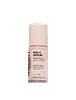
This brightening serum is formulated around Tetrahexyldecyl Ascorbate and Niacinamide to brighten dull-looking skin and fade the look of dark spots.
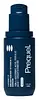
This brightening serum is formulated around Ascorbic Acid and Ferulic Acid to brighten dull-looking skin and fade the look of dark spots.

What's inside
What's inside
 Key Ingredients
Benefits
Concerns
No concerns
Ingredients Side-by-side
Water
Skin ConditioningCaprylic/Capric Triglyceride
Masking


Tetrahexyldecyl Ascorbate
Antioxidant






Propanediol
Solvent
C13-15 Alkane
SolventNiacinamide
Smoothing





Polyglyceryl-6 Stearate
Emollient

Acetyl Glycyl Beta-Alanine
Skin ConditioningCoco-Caprylate/Caprate
Emollient
Isosorbide Dicaprylate
Skin ConditioningSqualane
Emollient
Ascorbic Acid
Antioxidant
3-O-Ethyl Ascorbic Acid
Skin Conditioning
Tranexamic Acid
Astringent
Ferulic Acid
Antimicrobial
Sh-Polypeptide-2 Sr-Egyptian Scorpion Oligopeptide-1
Skin Protecting
Sh-Polypeptide-1
Skin Conditioning
Hexylresorcinol
Antimicrobial
Alpha-Arbutin
Antioxidant
Hydroxytyrosol
Bleaching
Saccharomyces Ferment Filtrate
Humectant
Glycerin
Humectant
Mannitol
Humectant
Allantoin
Skin Conditioning
Panthenol
Skin Conditioning
Centella Asiatica Leaf Extract
Skin Conditioning
Panthenyl Triacetate
Gold
Cosmetic ColorantGlucosylrutin
Antioxidant
Threonine
Glutamic Acid
Humectant
Glycine
Buffering
Valine
MaskingPhosphatidylcholine
EmulsifyingPentylene Glycol
Skin Conditioning
Cetearyl Alcohol
Emollient



Polyacrylate Crosspolymer-6
Emulsion StabilisingSorbitol
Humectant
Polyglyceryl-6 Behenate
Emulsion Stabilising
Xanthan Gum
EmulsifyingPolyglyceryl-10 Laurate
Skin Conditioning
Caprylhydroxamic Acid
ChelatingGlutathione
Sodium Hydroxide
BufferingCetyl Alcohol
Emollient
Citrus Aurantium Amara Fruit Extract
Skin ConditioningDisodium Succinate
MaskingSaccharomyces Lysate
Skin Conditioning
Caprylyl Glycol
Emollient
Gluconolactone
Chelating
Sodium Benzoate
Masking
Citric Acid
Buffering
1,2-Hexanediol
Skin Conditioning
Hydroxyacetophenone
Antioxidant
Sodium Carbonate
BufferingWater, Caprylic/Capric Triglyceride, Tetrahexyldecyl Ascorbate, Propanediol, C13-15 Alkane, Niacinamide, Polyglyceryl-6 Stearate, Acetyl Glycyl Beta-Alanine, Coco-Caprylate/Caprate, Isosorbide Dicaprylate, Squalane, Ascorbic Acid, 3-O-Ethyl Ascorbic Acid, Tranexamic Acid, Ferulic Acid, Sh-Polypeptide-2 Sr-Egyptian Scorpion Oligopeptide-1, Sh-Polypeptide-1, Hexylresorcinol, Alpha-Arbutin, Hydroxytyrosol, Saccharomyces Ferment Filtrate, Glycerin, Mannitol, Allantoin, Panthenol, Centella Asiatica Leaf Extract, Panthenyl Triacetate, Gold, Glucosylrutin, Threonine, Glutamic Acid, Glycine, Valine, Phosphatidylcholine, Pentylene Glycol, Cetearyl Alcohol, Polyacrylate Crosspolymer-6, Sorbitol, Polyglyceryl-6 Behenate, Xanthan Gum, Polyglyceryl-10 Laurate, Caprylhydroxamic Acid, Glutathione, Sodium Hydroxide, Cetyl Alcohol, Citrus Aurantium Amara Fruit Extract, Disodium Succinate, Saccharomyces Lysate, Caprylyl Glycol, Gluconolactone, Sodium Benzoate, Citric Acid, 1,2-Hexanediol, Hydroxyacetophenone, Sodium Carbonate
Reviews
Ingredients Explained
These ingredients are found in both products.
Ingredients higher up in an ingredient list are typically present in a larger amount.
1,2-Hexanediol is a synthetic liquid and another multi-functional powerhouse.
It is a:
- Humectant, drawing moisture into the skin
- Emollient, helping to soften skin
- Solvent, dispersing and stabilizing formulas
- Preservative booster, enhancing the antimicrobial activity of other preservatives
Ascorbic Acid is is pure Vitamin C and is the biologically active form used directly by skin.
Not only is vitamin C great for your overall health and immune system, but it also has plenty of benefits for your skin. It is best supported by academic literature for:
Topical vitamin C has been shown to help neutralize oxidative stress from UV and pollution, helping to improve photoaging and hyperpigmentation when used consistently.
One clinical study found that using 5% topical vitamin C for six months improved signs of photodamaged skin, both on the surface and in the deeper structural layers of the skin.
While vitamin C doesn’t replace sunscreen, studies show it can boost photoprotection when combined with Vitamin E and ferulic acid. These two ingredients help improve stability and protective effects.
The big downside of this ingredient is formulation difficulty. Vitamin C is prone to oxidation and doesn't penetrate the skin unless formulated correctly. Research found that vitamin C absorbs into the skin best at a low pH (< 3.5) with about 20% being the upper limit for effective absorption.
Skin levels can saturate after repeated application; this means your skin won’t keep absorbing more once it’s full of vitamin C. This is why more isn’t always better with vitamin C and why very high concentrations don’t necessarily give extra benefits.
Ascorbic acid generally works well with many skincare ingredients but can be irritating when combined with other active ingredients. Strong oxidizing acne treatments like benzoyl peroxide can reduce the effectiveness of vitamin C if they are used at the same time; they are often recommended for use at different times of day.
Read more about other types of Vitamin C:
Foods rich with vitamin C include oranges, strawberries, broccoli, bell peppers, and more. When consuming Vitamin C, your skin receives a portion of the nutrients.
Learn more about Ascorbic AcidCaprylyl Glycol is a humectant, skin conditioner, emollient, and preservative booster derived from either caprylic acid or synthetically created.
Typical use levels vary from 0.3-1% as a preservative booster and go up to 2% to condition skin.
Because it is not a free-fatty acid, this ingredient is fungal acne safe (there's nothing for Malassezia to feed on).
Learn more about Caprylyl GlycolFerulic Acid is a plant based antioxidant that can be naturally found in the cell walls of grains like rice, oats, and corn. It has antioxidant and antimicrobial properties, and has the ability to boost the performance of other antioxidants as well.
A well-known study found that adding Ferulic Acid to a solution of Vitamins C and E doubled the photoprotection of skin. This is why you'll often see it paired with Vitamin C or Vitamin E serums rather than sold on its own.
A 2025 review of 18 human studies found that using Ferulic Acid (0.5-1%) daily for one to three months showed improvements in:
As far as allergies go, Ferulic acid is generally well-tolerated but can cause an allergic reaction in very rare cases. It's also worth noting that Ferulic acid is often extracted from plant sources like rice bran or wheat bran, so be sure to path test if you have known grain allergies.
Outside of skincare, researchers are also looking into Ferulic Acid for its potential benefits in areas like diabetes, Alzheimer's, and heart health.
Learn more about Ferulic AcidHydroxyacetophenone is a small phenolic molecule that earns its place in a formulas as an antioxidant and preservative booster.
As a phenol, it is able to neutralize free radicals to protect both the product and the skin from oxidative stress.
Though it can't kill microbes on its own, it works as a good supporting agent when combined with other preservatives like Phenoxyethanol or 1,2-Hexanediol.
This ingredient naturally occurs as piceol in Norwegian spruce needles (~0.4-1.1% dry weight and in cloudberries). Though the cosmetic-grade material is synthesized for purity and consistency.
You'll usually see it used at low levels and suppliers recommend up to 1% added to a water phase.
Safety testing was done at concentrations like 0.05% in SPF products and 0.5% in a Human Repeated Insult Patch Test. The safety evidence is assuring; this ingredient is safe for cosmetics in current use and also holds safety status as a food flavoring as well.
An honest caveat: the "soothing" and "anti-inflammatory" claims come mostly from supplier marketing rather than published clinical trials. The Cosmetic Ingredient Review's own literature search found no useful efficacy studies on this ingredient.
So the antioxidant and preservative-boosting roles are the well supported ones while the calming benefit is plausible but thinly evidenced.
Overall, this is a well-tolerated, low-irritation multitasker that quietly helps a formula stay fresh and stable.
Learn more about HydroxyacetophenoneMannitol is a sugar alcohol. It is a humectant and moisturizes the skin. In vitro (not tested on a living organism), mannitol displays antioxidant properties.
When found in aqueous solutions, mannitol tends to become acidic. This is because it loses a hydrogen ion. This is why mannitol can often be found with pH adjusting ingredients, such as sodium bicarbonate.
Fun fact: Mannitol can be found in foods as a sweetener. It can be naturally found in mushrooms, algae, fruits, and veggies.
Learn more about MannitolNiacinamide is a multitasking form of vitamin B3 that strengthens the skin barrier, reduces pores and dark spots, regulates oil, and improves signs of aging.
And the best part? It's gentle and well-tolerated by most skin types, including sensitive and reactive skin.
You might have heard of "niacin flush", or the reddening of skin that causes itchiness. Niacinamide has not been found to cause this.
In very rare cases, some individuals may not be able to tolerate niacinamide at all or experience an allergic reaction to it.
If you are experiencing flaking, irritation, and dryness with this ingredient, be sure to double check all your products as this ingredient can be found in all categories of skincare.
When incorporating niacinamide into your routine, look out for concentration amounts. Typically, 5% niacinamide provides benefits such as fading dark spots. However, if you have sensitive skin, it is better to begin with a smaller concentration.
When you apply niacinamide to your skin, your body converts it into nicotinamide adenine dinucleotide (NAD). NAD is an essential coenzyme that is already found in your cells as "fuel" and powers countless biological processes.
In your skin, NAD helps repair cell damage, produce new healthy cells, support collagen production, strengthen the skin barrier, and fight environmental stressors (like UV and pollution).
Our natural NAD levels start to decline with age, leading to slower skin repair, visible aging, and a weaker skin barrier. By providing your skin niacinamide, you're recharging your skin's NAD levels. This leads to stronger, healthier, and younger looking skin.
Another name for vitamin B3 is nicotinamide. This vitamin is water-soluble and our bodies don't store it. We obtain Vitamin B3 from either food or skincare. Meat, fish, wheat, yeast, and leafy greens contain vitamin B3.
The type of niacinamide used in skincare is synthetically created.
Learn more about NiacinamidePropanediol is an all-star ingredient. It softens, hydrates, and smooths the skin.
It’s often used to:
Propanediol is not likely to cause sensitivity and considered safe to use. It is derived from corn or petroleum with a clear color and no scent.
Learn more about PropanediolWater. It's the most common cosmetic ingredient of all. You'll usually see it at the top of ingredient lists, meaning that it makes up the largest part of the product.
So why is it so popular? Water most often acts as a solvent - this means that it helps dissolve other ingredients into the formulation.
You'll also recognize water as that liquid we all need to stay alive. If you see this, drink a glass of water. Remember to stay hydrated!
Learn more about Water

