

What's inside
What's inside
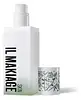 Key Ingredients
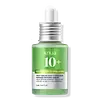
Benefits
Concerns
Ingredients Side-by-side
Dimethicone
Emollient

Undecane
EmollientDimethicone Crosspolymer
Emulsion Stabilising
Tridecane
Perfuming
Ethylhexyl Salicylate
UV Absorber

Phenoxyethanol
Preservative
Caprylic/Capric Triglyceride
Masking


Azelaic Acid
Buffering








Centella Asiatica Leaf Extract
Skin Conditioning
Tetrahexyldecyl Ascorbate
Antioxidant

Helianthus Annuus Seed Oil
Emollient

Ethylhexylglycerin
Skin ConditioningLimonene
Perfuming



Citrus Aurantium Dulcis Peel Extract
Emulsion Stabilising
Citrus Tangerina Peel Extract
AstringentSesamum Indicum Seed Oil
Emollient
Tocopheryl Acetate
Antioxidant
Retinyl Palmitate
Skin Conditioning
Citrus Grandis Peel Extract
Astringent
Citrus Junos Peel Extract
Skin ConditioningPsoralea Corylifolia Seed Extract
Skin ConditioningTocopherol
Antioxidant
Citrus Clementina Fruit Extract
Skin ConditioningVanilla Planifolia Fruit Extract
Skin Conditioning
Zingiber Officinale Root Extract
Masking
Hedychium Spicatum Extract
Skin ConditioningCI 77891
Cosmetic ColorantCI 77288
Cosmetic ColorantCI 77007
Cosmetic ColorantCI 77492
Cosmetic ColorantDimethicone, Undecane, Dimethicone Crosspolymer, Tridecane, Ethylhexyl Salicylate, Phenoxyethanol, Caprylic/Capric Triglyceride, Azelaic Acid, Centella Asiatica Leaf Extract, Tetrahexyldecyl Ascorbate, Helianthus Annuus Seed Oil, Ethylhexylglycerin, Limonene, Citrus Aurantium Dulcis Peel Extract, Citrus Tangerina Peel Extract, Sesamum Indicum Seed Oil, Tocopheryl Acetate, Retinyl Palmitate, Citrus Grandis Peel Extract, Citrus Junos Peel Extract, Psoralea Corylifolia Seed Extract, Tocopherol, Citrus Clementina Fruit Extract, Vanilla Planifolia Fruit Extract, Zingiber Officinale Root Extract, Hedychium Spicatum Extract, CI 77891, CI 77288, CI 77007, CI 77492
Water
Skin ConditioningAzelaic Acid
Buffering
Propylene Glycol
Humectant
Sodium Hydroxide
BufferingDipropylene Glycol
Humectant1,2-Hexanediol
Skin Conditioning
Panthenol
Skin Conditioning
Hydroxyethylcellulose
Emulsion StabilisingBetaine Salicylate
Antimicrobial
Glycerin
Humectant
Biosaccharide Gum-1
Humectant
Ethylhexylglycerin
Skin ConditioningAllantoin
Skin Conditioning
Dipotassium Glycyrrhizate
Humectant
Melia Azadirachta Leaf Extract
Skin ConditioningCamellia Sinensis Leaf Water
Masking
Sodium Hyaluronate
Humectant
Melia Azadirachta Flower Extract
Skin ConditioningNiacinamide
Smoothing
Aloe Barbadensis Leaf Juice
Skin Conditioning
Beta-Glucan
Skin Conditioning
Centella Asiatica Extract
Cleansing
Centella Asiatica Leaf Extract
Skin Conditioning
Centella Asiatica Root Extract
Skin Conditioning
Madecassoside
Antioxidant
Asiaticoside
Antioxidant
Asiatic Acid
Skin Conditioning
Madecassic Acid
Skin Conditioning
Squalane
Emollient
Zinc PCA
Humectant
Butylene Glycol
Humectant
Pentylene Glycol
Skin Conditioning
Caprylyl/Capryl Glucoside
CleansingHydrogenated Lecithin
Emulsifying
Ceramide NP
Skin Conditioning
Water, Azelaic Acid, Propylene Glycol, Sodium Hydroxide, Dipropylene Glycol, 1,2-Hexanediol, Panthenol, Hydroxyethylcellulose, Betaine Salicylate, Glycerin, Biosaccharide Gum-1, Ethylhexylglycerin, Allantoin, Dipotassium Glycyrrhizate, Melia Azadirachta Leaf Extract, Camellia Sinensis Leaf Water, Sodium Hyaluronate, Melia Azadirachta Flower Extract, Niacinamide, Aloe Barbadensis Leaf Juice, Beta-Glucan, Centella Asiatica Extract, Centella Asiatica Leaf Extract, Centella Asiatica Root Extract, Madecassoside, Asiaticoside, Asiatic Acid, Madecassic Acid, Squalane, Zinc PCA, Butylene Glycol, Pentylene Glycol, Caprylyl/Capryl Glucoside, Hydrogenated Lecithin, Ceramide NP
Reviews
Alternatives
Ingredients Explained
These ingredients are found in both products.
Ingredients higher up in an ingredient list are typically present in a larger amount.
Azelaic acid is a multitasker ingredient that helps treat acne, pigmentation, and irritation. It is a great option for sensitive skin.
What makes it special?
OTC Azelaic acid is usually available in concentrations from 10-15% and anything over requires a prescription.
Here's what each tier does best:
Unlike other acids, azelaic acid will not make your skin more photosensitive/sun sensitive.
Though this ingredient is naturally occurring in grains like wheat, rye, and barley, it is usually synthetically created for cosmetics to ensure stability and effectiveness.
Learn more about Azelaic AcidCentella Asiatica Leaf Extract comes from the leaves of an herb plant native to Southeast Asia. Centella Asiatica is rich in antioxidants and amino acids. It can help reduce irritation and soothe the skin.
Many active components found in centella asiatica, such as Madecassic Acid and Asiaticoside, encourage the skin to naturally produce hyaluronic acid. This helps keep our skin hydrated. Many of these components also show antioxidant activity and may help reduce the signs of aging.
Research shows centella asiatica can help increase Type I collagen production by increasing fibroblast production. Fibroblast helps form connective tissue.
The combination of all these properties makes centella asiatica leaf extract effective at soothing the skin.
Other components of centella asiatica leaf extract include Vitamin A, vitamin C, several B vitamins, and Asiatic Acid.
Recent studies found madecassoside may help prevent damage from UV rays by preventing UV-induced inflammation. Further research is needed.
This plant has been used as a medicine and in food for many centuries. As a medicine, it is used to treat burns, scratches, and wounds.
Learn more about Centella Asiatica Leaf ExtractEthylhexylglycerin is created from glycerin. It is a multitasker ingredient that:
The CIR Expert Panel found minimal skin absorption or sensitization of any kind in a safety assessment. Though this ingredient is considered well-tolerated, a small number of cases of allergic dermatitis have been published since 2002. Just be sure to patch test if you are unsure.
Industry-reported use ranges from 8% in rinse-off products and 2% in leave-on formulations.
Learn more about Ethylhexylglycerin
