Hyper Skin Hyper Clear Brightening Clearing Vitamin C Serum Versus Urban Skin Super C Brightening Serum
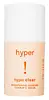
This brightening serum is formulated around 3-O-Ethyl Ascorbic Acid and Kojic Acid to fade the look of dark spots and brighten dull-looking skin.
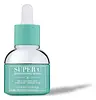
This brightening serum is formulated around Ascorbic Acid and Kojic Acid to brighten dull-looking skin and fade the look of dark spots.

What's inside
What's inside
 Key Ingredients
Benefits
Concerns
Ingredients Side-by-side
Water
Skin Conditioning3-O-Ethyl Ascorbic Acid
Skin Conditioning





Kojic Acid
Antioxidant


Aloe Barbadensis Leaf Juice
Skin Conditioning

Arctostaphylos Uva-Ursi Leaf Extract
Skin Conditioning
Biotin
AntiseborrhoeicCamellia Oleifera Leaf Extract
AstringentCitric Acid
Buffering

Corallina Officinalis Extract
Skin Conditioning

Curcuma Longa Root Extract
Antioxidant
Ethylhexylglycerin
Skin ConditioningGlycerin
Humectant
Glycyrrhiza Glabra Root Extract
Bleaching
Hyaluronic Acid
Humectant

Hydroxyethylcellulose
Emulsion StabilisingLactobacillus/Papaya Fruit Ferment Extract
Abrasive
Lecithin
Emollient
Maltodextrin
Absorbent
Melia Azadirachta Flower Extract
Skin ConditioningMelia Azadirachta Leaf Extract
Skin ConditioningOcimum Basilicum Extract
Antioxidant
Ocimum Sanctum Leaf Extract
Skin ConditioningPhenoxyethanol
Preservative
Phyllanthus Emblica Fruit Extract
HumectantPotassium Sorbate
Preservative
Pullulan
Pyrus Malus Fruit Extract
Skin Conditioning
Saccharomyces/Xylinum/Black Tea Ferment
Skin Conditioning
Salicylic Acid
Masking




Sclerotium Gum
Emulsion StabilisingSilica
Abrasive
Sodium Benzoate
Masking
Sodium Citrate
BufferingTetrasodium EDTA
Tocopherol
Antioxidant
Xanthan Gum
EmulsifyingWater, 3-O-Ethyl Ascorbic Acid, Kojic Acid, Aloe Barbadensis Leaf Juice, Arctostaphylos Uva-Ursi Leaf Extract, Biotin, Camellia Oleifera Leaf Extract, Citric Acid, Corallina Officinalis Extract, Curcuma Longa Root Extract, Ethylhexylglycerin, Glycerin, Glycyrrhiza Glabra Root Extract, Hyaluronic Acid, Hydroxyethylcellulose, Lactobacillus/Papaya Fruit Ferment Extract, Lecithin, Maltodextrin, Melia Azadirachta Flower Extract, Melia Azadirachta Leaf Extract, Ocimum Basilicum Extract, Ocimum Sanctum Leaf Extract, Phenoxyethanol, Phyllanthus Emblica Fruit Extract, Potassium Sorbate, Pullulan, Pyrus Malus Fruit Extract, Saccharomyces/Xylinum/Black Tea Ferment, Salicylic Acid, Sclerotium Gum, Silica, Sodium Benzoate, Sodium Citrate, Tetrasodium EDTA, Tocopherol, Xanthan Gum
Water
Skin ConditioningEthoxydiglycol
HumectantAscorbic Acid
Antioxidant
Butylene Glycol
Humectant
Glycerin
Humectant
Kojic Acid
Antioxidant
Phenoxyethanol
Preservative
Citrus Aurantium Dulcis Peel Oil
Masking

Ferulic Acid
Antimicrobial
Salicylic Acid
Masking
Triethanolamine
BufferingSaxifraga Sarmentosa Extract
Skin ConditioningVitis Vinifera Fruit Extract
Skin ConditioningLaureth-23
Cleansing
Camellia Sinensis Leaf Extract
Antimicrobial
Tocopherol
Antioxidant
Alchemilla Vulgaris Flower/Leaf/Stem Extract
AstringentMalva Sylvestris Flower/Leaf/Stem Extract
Skin ConditioningMentha Piperita Leaf Extract
Skin ConditioningPrimula Veris Flower Extract
Skin ConditioningVeronica Officinalis Flower/Leaf/Stem Extract
AstringentMelissa Officinalis Leaf Extract
Skin ConditioningSodium Metabisulfite
Antioxidant
Sodium Sulfite
Preservative
Morus Alba Root Extract
BleachingScutellaria Baicalensis Root Extract
Astringent
Centella Asiatica Extract
Cleansing
Disodium EDTA
Achillea Millefolium Flower/Leaf/Stem Extract
Skin ConditioningAlpha-Arbutin
Antioxidant
Hydrolyzed Hyaluronic Acid
Humectant
Niacinamide
Smoothing
Panthenol
Skin Conditioning
Sodium PCA
Humectant
Diethanolamine
BufferingWater, Ethoxydiglycol, Ascorbic Acid, Butylene Glycol, Glycerin, Kojic Acid, Phenoxyethanol, Citrus Aurantium Dulcis Peel Oil, Ferulic Acid, Salicylic Acid, Triethanolamine, Saxifraga Sarmentosa Extract, Vitis Vinifera Fruit Extract, Laureth-23, Camellia Sinensis Leaf Extract, Tocopherol, Alchemilla Vulgaris Flower/Leaf/Stem Extract, Malva Sylvestris Flower/Leaf/Stem Extract, Mentha Piperita Leaf Extract, Primula Veris Flower Extract, Veronica Officinalis Flower/Leaf/Stem Extract, Melissa Officinalis Leaf Extract, Sodium Metabisulfite, Sodium Sulfite, Morus Alba Root Extract, Scutellaria Baicalensis Root Extract, Centella Asiatica Extract, Disodium EDTA, Achillea Millefolium Flower/Leaf/Stem Extract, Alpha-Arbutin, Hydrolyzed Hyaluronic Acid, Niacinamide, Panthenol, Sodium PCA, Diethanolamine
Reviews
Ingredients Explained
These ingredients are found in both products.
Ingredients higher up in an ingredient list are typically present in a larger amount.
Glycerin (or glycerol) is a compound naturally found in your skin. It's a powerhouse humectant that pulls water into the stratum corneum.
Topically, glycerin does several things at once:
Your skin makes glycerin on its own (mostly from sebaceous oil breakdown) and shuttles it to your outermost layer of skin, or your epidermis, via aquaporin-3.
Aquaporin-3 is a transporter that is essential for normal skin hydration, elasticity, and repair. Interestingly, mice lacking in AQP3 have dry and less elastic skin that can be fully corrected with glycerin.
This ingredient is non-irritating, plays well with almost every ingredient, and works across all skin types. Typical use is anywhere between 3-10% but can go up to 79% in some leave-on products.
Just know very high concentrations (>40%) can feel tacky in low humidity.
Glycerin is the name for this ingredient in American English. British English uses Glycerol/Glycerine.
Learn more about GlycerinKojic Acid is a naturally occurring organic acid that is produced during the fermentation of certain fungi. It is one of the most well-studied brightening ingredients (tyrosinase inhibitors) out there.
That's why you'll see Kojic Acid in products that target dark spots, hyperpigmentation, and general uneven skin tone. It also pairs well with other brightening actives like Alpha Arbutin, Glycolic Acid, and Vitamin C derivatives.
By latching onto the copper that the enzyme tyrosinase needs to function, Kojic Acid prevents less pigment from being made. It's so well-established that researchers regularly use it as the go-to benchmark when testing new brightening ingredients.
Some other perks include documented antioxidant and antimicrobial properties. The The CIR (Cosmetic Ingredient Review) Expert Panel concluded Kojic Acid is safe for use in cosmetic products at concentrations up to 1% and the EU's SCCS (Scientific Committee on Consumer Safety) considers it safe as a skin lightening agent at concentrations up to 0.7%.
One thing to know about Kojic Acid is that stability is its weak spot; it is sensitive to light, heat, and air exposure and will oxidize/turn brown in formulations. Its derivative, Kojic Dipalmitate, was developed as a stable alternative.
Some individuals have reported contact sensitization so be sure to patch test if you have reactive or sensitive skin.
Fun fact: It was first discovered in 1907 and naturally occurs in the production of sake, soy sauce, and miso.
Learn more about Kojic AcidPhenoxyethanol is one of the most widely used preservatives in skincare (and for good reason!).
It has a large spectrum of antimicrobial activity and especially effective bacteria, yeast, and mold while only having a weak effect on your skin's natural microbiome.
On a cellular level, it disrupts the cell membranes of microbes by poking holes that make the cell leak. This shuts down the chemical reactions the microbe needs to make energy so it can no longer survive.
Another perk of this ingredient is that it stays functional across a wide pH range (3-10).
You'll often see it paired with boosters like Ethylhexylglycerin; one study showed that a 1:9 ratio of Ethylhexylglycerin to Phenoxyethanol damages bacterial membranes as effectively as doubling the Phenoxyethanol concentration on its own.
Typical use concentrations range from 0.3-1% depending on the formula, and this ingredient is capped at 1% int the EU.
Safety-wise, the fear mongering does not hold up to the evidence. The EU's Scientific Committee on Consumer Safety and FDA consider it safe as a preservative at up to 1%, including for children of all ages.
Adverse systemic effects only showed up in animal studies at exposures roughly 200x higher than what people get from cosmetics. And despite its very widespread use, this ingredient is a rare sensitizer and allergic reactions are uncommon.
Learn more about PhenoxyethanolSalicylic Acid (also known as beta hydroxy acid or BHA) is a well-known ingredient for treating skin that struggles with acne and clogged pores. It exfoliates both the skin's surface and deep within the pores to help clear out buildup, control oil, and reduce inflammation.
Unlike AHAs (alpha hydroxy acids), salicylic acid is oil-soluble. This allows it to penetrate into pores which makes it especially effective for treating blackheads and preventing future breakouts.
Salicylic acid is also known for its soothing properties. It has a similar structure to aspirin and can calm inflamed or irritated skin, making it a good option for acne-prone skin that is also sensitive.
Concentrations of 0.5-2% are recognized by the U.S. FDA as an over-the-counter topical acne product.
It can cause irritation and/or dryness if one's skin already has a compromised moisture barrier, so it's best to focus on repairing that before introducing this ingredient into your routine.
While salicylic acid does not increase sun sensitivity, it’s still important to wear sunscreen daily to protect your skin.
If you are looking for the ingredient called BHA or Butylated Hydroxyanisole, click here.
Learn more about Salicylic AcidTocopherol is a fat-soluble antioxidant known as Vitamin E.
You'll find this ingredient in the vast majority of skincare (for good reason). It works to neutralize free radicals, or unstable molecules generated by UV exposure, pollution, and other environmental stressors, before they can cause oxidative damage to your skin cells.
Topically applied tocopherol has been shown to protect against UV damage by ramping up the skin's own natural defense enzymes.
It also acts as a skin conditioning agent; some studies show that regular topical use can improve the skin's water-binding capacity over 2-4 weeks.
This ingredient is especially loved for being a team player. When combined with Vitamin C, the photoprotective effect of both ingredients roughly doubles and the combo also helps reduce UV-induced DNA damage.
This ingredient has some brightening potential but it's more of a prevention ingredient than spot-fader. Cell studies show it can slow down melanin production but it's worth noting that it's not the most powerful brightener out there.
In formulations, it also serves as a stabilizer that helps protect other oxidation-prone ingredients from degrading.
Concentrations usually range from 0.1-1% in most leave-on products.
Learn more about TocopherolWater. It's the most common cosmetic ingredient of all. You'll usually see it at the top of ingredient lists, meaning that it makes up the largest part of the product.
So why is it so popular? Water most often acts as a solvent - this means that it helps dissolve other ingredients into the formulation.
You'll also recognize water as that liquid we all need to stay alive. If you see this, drink a glass of water. Remember to stay hydrated!
Learn more about Water

