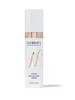
This brightening serum is formulated around Hexylresorcinol and Hyaluronic Acid to fade the look of dark spots.
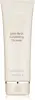
This smoothing exfoliator is formulated around Salicylic Acid to refine skin texture and brighten dull-looking skin.

What's inside
What's inside
 Key Ingredients
Benefits
Concerns
Ingredients Side-by-side
Water
Skin ConditioningPropanediol
Solvent

Squalane
Emollient
Pentylene Glycol
Skin Conditioning
Glycerin
Humectant
Dicaprylyl Carbonate
EmollientCetearyl Alcohol
Emollient






Glyceryl Stearate
Emollient
Stearyl Alcohol
Emollient
Hexylresorcinol
Antimicrobial
Butylene Glycol
Humectant
Hyaluronic Acid
Humectant
Vaccinium Myrtillus Fruit Extract
Skin ConditioningSaccharum Officinarum Extract
MoisturisingCitrus Aurantium Dulcis Fruit Extract
MaskingCitrus Limon Fruit Extract
Masking
Aristotelia Chilensis Fruit Extract
Skin ConditioningAcer Saccharum Extract
Skin ConditioningNannochloropsis Oculata Extract
HumectantAgastache Mexicana Flower/Leaf/Stem Extract
Skin ConditioningTerminalia Ferdinandiana Fruit Extract
Antioxidant
Zingiber Officinale Root Extract
Masking
Dipeptide-2
Skin Conditioning
Acetyl Tetrapeptide-2
Skin Conditioning
Oligopeptide-68
Bleaching
Nicotiana Benthamiana Hexapeptide-40 Sh-Polypeptide-76
Skin Conditioning
Bisabolol
Antioxidant
Sodium Stearoyl Glutamate
CleansingDiglucosyl Gallic Acid
Caprylic/Capric Triglyceride
Masking
Ethyl Linoleate
Emollient

Dehydroacetic Acid
Preservative
Xanthan Gum
EmulsifyingPullulan
Hydrogenated Lecithin
Emulsifying
Polyacrylate Crosspolymer-6
Emulsion StabilisingDimethicone
Emollient
Sodium Phytate
ChelatingSodium Oleate
CleansingDisodium EDTA
ChelatingHydroxyproline
Skin ConditioningAcetyl Hydroxyproline
EmollientCitric Acid
Buffering

Sodium Acetate
BufferingSodium Hydroxide
BufferingHexylene Glycol
EmulsifyingCaprylyl Glycol
Emollient
Ethylhexylglycerin
Skin Conditioning1,2-Hexanediol
Skin Conditioning
Benzyl Alcohol
Perfuming

Phenoxyethanol
Preservative
Water, Propanediol, Squalane, Pentylene Glycol, Glycerin, Dicaprylyl Carbonate, Cetearyl Alcohol, Glyceryl Stearate, Stearyl Alcohol, Hexylresorcinol, Butylene Glycol, Hyaluronic Acid, Vaccinium Myrtillus Fruit Extract, Saccharum Officinarum Extract, Citrus Aurantium Dulcis Fruit Extract, Citrus Limon Fruit Extract, Aristotelia Chilensis Fruit Extract, Acer Saccharum Extract, Nannochloropsis Oculata Extract, Agastache Mexicana Flower/Leaf/Stem Extract, Terminalia Ferdinandiana Fruit Extract, Zingiber Officinale Root Extract, Dipeptide-2, Acetyl Tetrapeptide-2, Oligopeptide-68, Nicotiana Benthamiana Hexapeptide-40 Sh-Polypeptide-76, Bisabolol, Sodium Stearoyl Glutamate, Diglucosyl Gallic Acid, Caprylic/Capric Triglyceride, Ethyl Linoleate, Dehydroacetic Acid, Xanthan Gum, Pullulan, Hydrogenated Lecithin, Polyacrylate Crosspolymer-6, Dimethicone, Sodium Phytate, Sodium Oleate, Disodium EDTA, Hydroxyproline, Acetyl Hydroxyproline, Citric Acid, Sodium Acetate, Sodium Hydroxide, Hexylene Glycol, Caprylyl Glycol, Ethylhexylglycerin, 1,2-Hexanediol, Benzyl Alcohol, Phenoxyethanol
Water
Skin ConditioningSodium C14-16 Olefin Sulfonate
Cleansing
Cocamidopropyl Betaine
Cleansing
PEG/PPG-8/3 Diisostearate
EmulsifyingHydrogenated Jojoba Oil
Abrasive

Acrylates Copolymer
Vaccinium Myrtillus Fruit/Leaf Extract
AstringentSaccharum Officinarum Extract
MoisturisingCitrus Aurantium Dulcis Fruit Extract
MaskingCitrus Limon Fruit Extract
Masking
Acer Saccharum Extract
Skin ConditioningSalicylic Acid
Masking





Glycyrrhiza Glabra Root Extract
Bleaching
Panthenol
Skin Conditioning
Bisabolol
Antioxidant
Citric Acid
Buffering
Glycerin
Humectant
Ethylhexylglycerin
Skin ConditioningSodium Hydroxide
BufferingDisodium EDTA
ChelatingPotassium Sorbate
Preservative
Phenoxyethanol
Preservative
Lavandula Angustifolia Oil
Masking
Citrus Aurantium Dulcis Peel Oil
Masking
Mica
Cosmetic ColorantTin Oxide
Abrasive
Titanium Dioxide
Cosmetic Colorant

Water, Sodium C14-16 Olefin Sulfonate, Cocamidopropyl Betaine, PEG/PPG-8/3 Diisostearate, Hydrogenated Jojoba Oil, Acrylates Copolymer, Vaccinium Myrtillus Fruit/Leaf Extract, Saccharum Officinarum Extract, Citrus Aurantium Dulcis Fruit Extract, Citrus Limon Fruit Extract, Acer Saccharum Extract, Salicylic Acid, Glycyrrhiza Glabra Root Extract, Panthenol, Bisabolol, Citric Acid, Glycerin, Ethylhexylglycerin, Sodium Hydroxide, Disodium EDTA, Potassium Sorbate, Phenoxyethanol, Lavandula Angustifolia Oil, Citrus Aurantium Dulcis Peel Oil, Mica, Tin Oxide, Titanium Dioxide
Ingredients Explained
These ingredients are found in both products.
Ingredients higher up in an ingredient list are typically present in a larger amount.
We don't have a description for Acer Saccharum Extract yet.
Bisabolol is a gentle skin conditioner, antioxidant, and soothing ingredient.
It's primary claim to fame is soothing and research shows topically applied bisabolol can quiet the chemical messengers that cause your skin to become inflamed, helping to sooth any irritation.
A clinical study found that applying 0.5% bisabolol daily for 8 weeks produced an average 9% decrease in skin pigmentation. Researchers found it can also suppress the process that leads to excess melanin production in skin.
In vitro studies found that bisabolol combined with propylene glycol significantly increased skin permeability by increasing lipid fluidity in the stratum corneum.
You'll likely see use concentrations quite low, usually 0.1-0.2%.
Overall, this is a well-tolerated ingredient that works well in formulas designed for sensitive, reactive, or post-procedure skin.
Learn more about BisabololCitric Acid is an alpha hydroxy acid (AHA) naturally found in citrus fruits like oranges, lemons, and limes.
Like other AHAs, citric acid can exfoliate skin by breaking down the bonds that hold dead skin cells together. This helps reveal smoother and brighter skin underneath.
However, this exfoliating effect only happens at high concentrations (20%) which can be hard to find in cosmetic products.
Due to this, citric acid is usually included in small amounts as a pH adjuster. This helps keep products slightly more acidic and compatible with skin's natural pH.
In skincare formulas, citric acid can:
While it can provide some skin benefits, research shows lactic acid and glycolic acid are generally more effective and less irritating exfoliants.
Most citric acid used in skincare today is made by fermenting sugars (usually from molasses). This synthetic version is identical to the natural citrus form but easier to stabilize and use in formulations.
Rosacea skin has a lower threshold for acids generally, with 62.5% of rosacea subjects in one study reacting to lactic acid in a sting test. This is why we mark citric acid as a potential rosacea trigger.
However, this ingredient shows up as a pH adjuster or chelator at roughly 0.1-1% in many products. These low levels are unlikely to be an issue for rosacea skin and becomes a potential trigger at exfoliating concentrations (20%). Because everybody's skin is unique, we recommend a patch test if you are unsure.
Learn more about Citric AcidCitrus Aurantium Dulcis Fruit Extract is more commonly known as the bitter orange. Native to Southeast Asia, this extract is commonly found in both cosmetics and foods.
The bitter orange possesses antibacterial and antioxidant properties.
It can also be mildly exfoliating due to the citric acid, an AHA.
Citrus fruits are rich in flavonoids, alkaloids, and vitamin C.
Learn more about Citrus Aurantium Dulcis Fruit ExtractCitrus Limon Fruit Extract comes from lemons. While lemon extract is exfoliating and antimicrobial, it can also cause skin sensitivity.
Lemons contains antioxidants, which may help with anti-aging. They are also rich in citric acid, an AHA.
And of course, lemons are rich in Vitamin C. Vitamin C helps with skin-brightening and increasing collagen production.
The acidity of lemons may work as an astringent for acne.
However, lemons can also cause skin sensitivity due to its limonene content. It can also increase photosensitivity, or sensitivity to the sun.
This ingredient is also used to add a lemon scent to products.
Learn more about Citrus Limon Fruit ExtractDisodium EDTA is a chelating agent. It grabs onto and deactivates metal ions that sneak into your products from water, packaging, or air.
This ingredient mainly works behind the scenes and helps with:
On top of that, this ingredient can counteract the effects of hard water by binding to the minerals in it.
One thing worth knowing is that Disodium EDTA has been shown to be a mild penetration enhancer. It can help other ingredients absorb into skin more effectively which can be a double-edged sword (great for actives, but can also make the active too strong if you have sensitive skin).
Clinical patch testing showed no significant skin irritation at typical use concentrations and minimal dermal absorption.
You'll most likely see this ingredient near the end of an ingredient list. It's typically found in concentrations less than 1%.
Learn more about Disodium EDTAEthylhexylglycerin is created from glycerin. It is a multitasker ingredient that:
The CIR Expert Panel found minimal skin absorption or sensitization of any kind in a safety assessment. Though this ingredient is considered well-tolerated, a small number of cases of allergic dermatitis have been published since 2002. Just be sure to patch test if you are unsure.
Industry-reported use ranges from 8% in rinse-off products and 2% in leave-on formulations.
Learn more about EthylhexylglycerinGlycerin (or glycerol) is a compound naturally found in your skin. It's a powerhouse humectant that pulls water into the stratum corneum.
Topically, glycerin does several things at once:
Your skin makes glycerin on its own (mostly from sebaceous oil breakdown) and shuttles it to your outermost layer of skin, or your epidermis, via aquaporin-3.
Aquaporin-3 is a transporter that is essential for normal skin hydration, elasticity, and repair. Interestingly, mice lacking in AQP3 have dry and less elastic skin that can be fully corrected with glycerin.
This ingredient is non-irritating, plays well with almost every ingredient, and works across all skin types. Typical use is anywhere between 3-10% but can go up to 79% in some leave-on products.
Just know very high concentrations (>40%) can feel tacky in low humidity.
Glycerin is the name for this ingredient in American English. British English uses Glycerol/Glycerine.
Learn more about GlycerinPhenoxyethanol is one of the most widely used preservatives in skincare (and for good reason!).
It has a large spectrum of antimicrobial activity and especially effective bacteria, yeast, and mold while only having a weak effect on your skin's natural microbiome.
On a cellular level, it disrupts the cell membranes of microbes by poking holes that make the cell leak. This shuts down the chemical reactions the microbe needs to make energy so it can no longer survive.
Another perk of this ingredient is that it stays functional across a wide pH range (3-10).
You'll often see it paired with boosters like Ethylhexylglycerin; one study showed that a 1:9 ratio of Ethylhexylglycerin to Phenoxyethanol damages bacterial membranes as effectively as doubling the Phenoxyethanol concentration on its own.
Typical use concentrations range from 0.3-1% depending on the formula, and this ingredient is capped at 1% int the EU.
Safety-wise, the fear mongering does not hold up to the evidence. The EU's Scientific Committee on Consumer Safety and FDA consider it safe as a preservative at up to 1%, including for children of all ages.
Adverse systemic effects only showed up in animal studies at exposures roughly 200x higher than what people get from cosmetics. And despite its very widespread use, this ingredient is a rare sensitizer and allergic reactions are uncommon.
Learn more about PhenoxyethanolThis ingredient is also called sugarcane extract. It is a moisturizing humectant and has skin soothing properties.
Similar to hyaluronic acid, sugarcane can attract moisture to your skin.
Glycolic acid is a derivative of sugarcane. While glycolic acid is an AHA with exfoliating properties, sugarcane is not an AHA.
A study from 2021 found the compounds in sugarcane extract to have antioxidant, antimicrobial, and anti-inflammatory activity. The study also suggests these compounds can inhibit skin ageing enzymes and promote collagen synthesis.
Learn more about Saccharum Officinarum ExtractSodium Hydroxide is also known as lye or caustic soda. It is used to adjust the pH of products; many ingredients require a specific pH to be effective.
In small amounts, sodium hydroxide is considered safe to use. However, large amounts may cause chemical burns due to its high alkaline.
Your skin has a natural pH and acid mantle. This acid mantle helps prevent harmful bacteria from breaking through. The acid mantle also helps keep your skin hydrated.
"Alkaline" refers to a high pH level. A low pH level would be considered acidic.
Learn more about Sodium HydroxideWater. It's the most common cosmetic ingredient of all. You'll usually see it at the top of ingredient lists, meaning that it makes up the largest part of the product.
So why is it so popular? Water most often acts as a solvent - this means that it helps dissolve other ingredients into the formulation.
You'll also recognize water as that liquid we all need to stay alive. If you see this, drink a glass of water. Remember to stay hydrated!
Learn more about Water

