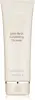
This smoothing exfoliator is formulated around Salicylic Acid to refine skin texture and brighten dull-looking skin.
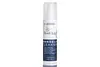
This mandelic acid gel cleanser is formulated around Mandelic Acid to exfoliate and smooth skin.

What's inside
What's inside
 Key Ingredients
Benefits
Concerns
Ingredients Side-by-side
Water
Skin ConditioningSodium C14-16 Olefin Sulfonate
Cleansing

Cocamidopropyl Betaine
Cleansing

PEG/PPG-8/3 Diisostearate
EmulsifyingHydrogenated Jojoba Oil
Abrasive


Acrylates Copolymer
Vaccinium Myrtillus Fruit/Leaf Extract
AstringentSaccharum Officinarum Extract
MoisturisingCitrus Aurantium Dulcis Fruit Extract
MaskingCitrus Limon Fruit Extract
Masking
Acer Saccharum Extract
Skin ConditioningSalicylic Acid
Masking







Glycyrrhiza Glabra Root Extract
Bleaching





Panthenol
Skin Conditioning
Bisabolol
Antioxidant
Citric Acid
Buffering
Glycerin
Humectant
Ethylhexylglycerin
Skin ConditioningSodium Hydroxide
BufferingDisodium EDTA
ChelatingPotassium Sorbate
Preservative
Phenoxyethanol
Preservative
Lavandula Angustifolia Oil
Masking


Citrus Aurantium Dulcis Peel Oil
Masking
Mica
Cosmetic ColorantTin Oxide
Abrasive
Titanium Dioxide
Cosmetic Colorant

Water, Sodium C14-16 Olefin Sulfonate, Cocamidopropyl Betaine, PEG/PPG-8/3 Diisostearate, Hydrogenated Jojoba Oil, Acrylates Copolymer, Vaccinium Myrtillus Fruit/Leaf Extract, Saccharum Officinarum Extract, Citrus Aurantium Dulcis Fruit Extract, Citrus Limon Fruit Extract, Acer Saccharum Extract, Salicylic Acid, Glycyrrhiza Glabra Root Extract, Panthenol, Bisabolol, Citric Acid, Glycerin, Ethylhexylglycerin, Sodium Hydroxide, Disodium EDTA, Potassium Sorbate, Phenoxyethanol, Lavandula Angustifolia Oil, Citrus Aurantium Dulcis Peel Oil, Mica, Tin Oxide, Titanium Dioxide
Aloe Barbadensis Leaf Juice
Skin Conditioning
Cocamidopropyl Betaine
Cleansing
PEG-100
HumectantDisodium Cocoamphodiacetate
CleansingLactamide Mea
HumectantTocopheryl Acetate
Antioxidant
Bisabolol
Antioxidant
Disodium Lauryl Sulfosuccinate
CleansingSodium Hyaluronate
Humectant

Mandelic Acid
Antimicrobial
Camellia Sinensis Leaf Extract
Antimicrobial
Arginine
Masking
Cocamide Mipa
Emulsifying
Prunus Armeniaca Kernel Oil
Masking
Punica Granatum Sterols
Skin Conditioning
Hydrastis Canadensis Powder
Skin ConditioningHumulus Lupulus Extract
AntimicrobialCymbopogon Schoenanthus Extract
Skin ConditioningSimmondsia Chinensis Seed Oil
Emollient
Panthenol
Skin Conditioning
Rosmarinus Officinalis Leaf Oil
Masking
Curcuma Longa Root Extract
Antioxidant
Enzymes
Mel
EmollientGlycine
Buffering
Alanine
Masking
Serine
Masking
Valine
MaskingProline
Skin Conditioning
Threonine
Isoleucine
Skin ConditioningHistidine
Humectant
Phenylalanine
Masking
Phenoxyethanol
Preservative
Aloe Barbadensis Leaf Juice, Cocamidopropyl Betaine, PEG-100, Disodium Cocoamphodiacetate, Lactamide Mea, Tocopheryl Acetate, Bisabolol, Disodium Lauryl Sulfosuccinate, Sodium Hyaluronate, Mandelic Acid, Camellia Sinensis Leaf Extract, Arginine, Cocamide Mipa, Prunus Armeniaca Kernel Oil, Punica Granatum Sterols, Hydrastis Canadensis Powder, Humulus Lupulus Extract, Cymbopogon Schoenanthus Extract, Simmondsia Chinensis Seed Oil, Panthenol, Rosmarinus Officinalis Leaf Oil, Curcuma Longa Root Extract, Enzymes, Mel, Glycine, Alanine, Serine, Valine, Proline, Threonine, Isoleucine, Histidine, Phenylalanine, Phenoxyethanol
Ingredients Explained
These ingredients are found in both products.
Ingredients higher up in an ingredient list are typically present in a larger amount.
Bisabolol is a gentle skin conditioner, antioxidant, and soothing ingredient.
It's primary claim to fame is soothing and research shows topically applied bisabolol can quiet the chemical messengers that cause your skin to become inflamed, helping to sooth any irritation.
A clinical study found that applying 0.5% bisabolol daily for 8 weeks produced an average 9% decrease in skin pigmentation. Researchers found it can also suppress the process that leads to excess melanin production in skin.
In vitro studies found that bisabolol combined with propylene glycol significantly increased skin permeability by increasing lipid fluidity in the stratum corneum.
You'll likely see use concentrations quite low, usually 0.1-0.2%.
Overall, this is a well-tolerated ingredient that works well in formulas designed for sensitive, reactive, or post-procedure skin.
Learn more about BisabololCocamidopropyl Betaine is a fatty acid created by mixing similar compounds in coconut oil and dimethylaminopropylamine, a compound with two amino groups.
This ingredient is a surfactant and cleanser. It helps gather the dirt, pollutants, and other impurities in your skin to be washed away. It also helps thicken a product and make the texture more creamy.
Being created from coconut oil means Cocamidopropyl Betaine is hydrating for the skin.
While Cocamidopropyl Betaine was believed to be an allergen, a study from 2012 disproved this. It found two compounds in unpure Cocamidopropyl Betaine to be the irritants: aminoamide and 3-dimethylaminopropylamine. High-grade and pure Cocamidopropyl Betaine did not induce allergic reactions during this study.
Learn more about Cocamidopropyl BetainePanthenol is a common ingredient that helps hydrate and soothe the skin. It is found naturally in our skin and hair.
There are two forms of panthenol: D and L.
D-panthenol is also known as dexpanthenol. Most cosmetics use dexpanthenol or a mixture of D and L-panthenol.
Panthenol is famous due to its ability to go deeper into the skin's layers. Using this ingredient has numerous pros (and no cons):
Like hyaluronic acid, panthenol is a humectant. Humectants are able to bind and hold large amounts of water to keep skin hydrated.
This ingredient works well for wound healing. It works by increasing tissue in the wound and helps close open wounds.
Once oxidized, panthenol converts to pantothenic acid. Panthothenic acid is found in all living cells.
This ingredient is also referred to as pro-vitamin B5.
Learn more about PanthenolPhenoxyethanol is one of the most widely used preservatives in skincare (and for good reason!).
It has a large spectrum of antimicrobial activity and especially effective bacteria, yeast, and mold while only having a weak effect on your skin's natural microbiome.
On a cellular level, it disrupts the cell membranes of microbes by poking holes that make the cell leak. This shuts down the chemical reactions the microbe needs to make energy so it can no longer survive.
Another perk of this ingredient is that it stays functional across a wide pH range (3-10).
You'll often see it paired with boosters like Ethylhexylglycerin; one study showed that a 1:9 ratio of Ethylhexylglycerin to Phenoxyethanol damages bacterial membranes as effectively as doubling the Phenoxyethanol concentration on its own.
Typical use concentrations range from 0.3-1% depending on the formula, and this ingredient is capped at 1% int the EU.
Safety-wise, the fear mongering does not hold up to the evidence. The EU's Scientific Committee on Consumer Safety and FDA consider it safe as a preservative at up to 1%, including for children of all ages.
Adverse systemic effects only showed up in animal studies at exposures roughly 200x higher than what people get from cosmetics. And despite its very widespread use, this ingredient is a rare sensitizer and allergic reactions are uncommon.
Learn more about Phenoxyethanol

